Water is one of those things we tend to trust without giving it much thought. We drink it, cook with it, shower in it, and use it for countless everyday tasks. Most of the time, it simply does its job. But when something changes—an unusual smell, an odd taste, or a strange color—it catches our attention almost immediately.
It’s easy to shrug these things off, especially if the water still looks clear. After all, many changes seem minor at first. Yet unusual water characteristics often point to conditions worth investigating. Sometimes the cause is harmless and temporary. Other times, it signals a problem that deserves prompt attention before it grows into something more expensive or inconvenient.
Understanding what your water is trying to tell you can help protect both your home and your family’s comfort.
When Your Nose Notices Something First
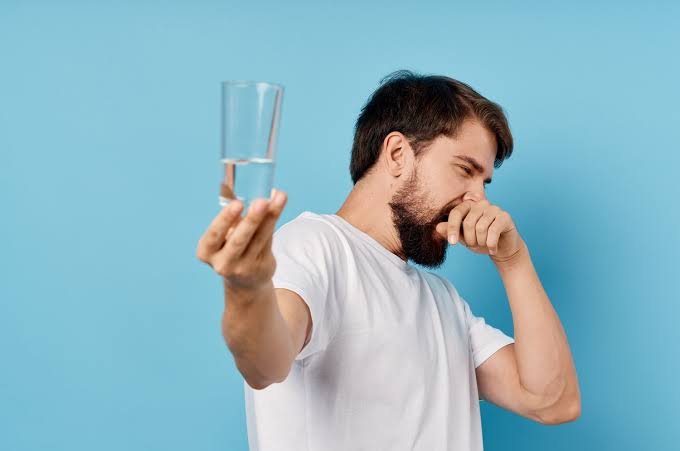
One of the most common complaints homeowners have is unusual water odor. You might turn on the shower and notice a sulfur-like smell, or perhaps the kitchen faucet produces water with a musty scent. Even if the odor disappears after a few moments, it shouldn’t simply be ignored.
Persistent smelly water can develop for several reasons. Naturally occurring sulfur compounds, mineral-rich groundwater, stagnant plumbing, or even issues within a water heater can all contribute to unpleasant odors. In homes supplied by private wells, local geology often plays a significant role, while municipal systems may experience temporary changes caused by maintenance or seasonal conditions.
Fortunately, identifying the source is usually the first step toward finding an effective solution.
Why Water Sometimes Tastes Different
Taste is surprisingly sensitive. Even small changes in water chemistry can become noticeable long before they pose any obvious problem.
Some people describe their tap water as metallic, while others notice a chemical aftertaste that lingers after every sip. Although these flavors don’t always indicate unsafe water, they can certainly make drinking water less enjoyable.
Many households occasionally experience chlorine taste and smell, particularly when public water systems increase disinfectant levels to maintain water safety throughout the distribution network. Chlorine plays an important role in preventing harmful microorganisms from spreading, but higher concentrations may affect the flavor of drinking water or become more noticeable during showers.
If the taste persists or suddenly becomes much stronger than usual, it’s worth investigating rather than simply getting used to it.
Not Every Water Problem Is Visible
One of the biggest misconceptions about water quality is that clean-looking water must automatically be problem-free.
In reality, many water concerns cannot be detected with your eyes alone. Water may appear perfectly clear while still containing dissolved minerals, naturally occurring compounds, or microorganisms that require proper testing to identify.
That’s why visual appearance should never be your only guide. Odor, taste, and laboratory analysis together provide a much clearer understanding of what’s actually flowing through your home’s plumbing.
The Importance of Regular Water Testing
Professional water testing often removes the guesswork from water quality concerns.
Instead of assuming what’s causing unusual taste or odor, testing measures the actual characteristics of your water. Depending on the source, analysis may include mineral content, pH levels, iron, sulfur compounds, sediment, and microbiological testing.
This information allows homeowners to make informed decisions rather than investing in treatment systems that may not address the real issue.
Water conditions also change over time, particularly for private well owners. Seasonal rainfall, groundwater movement, nearby construction, or aging infrastructure can all influence water quality in subtle ways.
Understanding Potential Health Concerns
Most unusual water odors are caused by naturally occurring minerals rather than immediate health risks. However, it’s important not to rely on assumptions.
In some situations, testing may be recommended to rule out bacterial contamination, especially if water comes from a private well, flooding has recently occurred, or plumbing repairs have disturbed the system. Routine testing helps confirm that drinking water continues to meet appropriate safety standards while providing peace of mind for everyone in the household.
Regular monitoring is especially valuable for families with young children, older adults, or anyone with a weakened immune system.
Every Water Source Is Different
No two homes have identical water.
A family connected to a municipal supply may experience completely different water characteristics than neighbors using a private well just a few miles away. Even homes served by the same public utility can notice slight differences depending on plumbing materials, neighborhood infrastructure, or seasonal maintenance activities.
Because of these variations, there’s rarely a one-size-fits-all solution. The best approach always begins with understanding the specific qualities of your own water before selecting any treatment option.
That personalized approach usually produces better long-term results and avoids unnecessary expenses.
Simple Habits Can Make a Difference
While professional testing is invaluable, homeowners can also pay attention to everyday changes.
Notice whether odors appear only with hot water or both hot and cold. Observe if unusual tastes develop after heavy rain or plumbing work. Keep an eye on staining around sinks and faucets, and don’t ignore sudden changes that persist for several days.
These small observations provide useful information if professional evaluation becomes necessary and often help identify the source more quickly.
Better Water Begins with Awareness
Water quietly supports almost every activity inside a home, yet it’s easy to overlook until something changes. An unfamiliar odor, an unpleasant taste, or unexpected discoloration isn’t always a sign of a serious problem, but it’s rarely something to dismiss without understanding the cause.
Paying attention to these subtle warning signs allows homeowners to address issues early, protect plumbing systems, and maintain confidence in the water their families use every day. Whether the solution is as simple as flushing the plumbing, adjusting water treatment equipment, or arranging professional testing, taking action is almost always better than guessing.
In the end, good water isn’t just about what comes out of the tap. It’s about knowing that every glass, every shower, and every meal prepared at home begins with water you can trust.