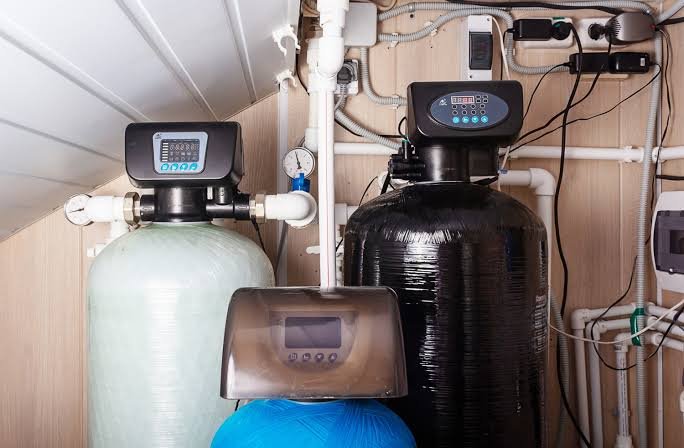
Water is one of those everyday necessities that usually stays in the background. We drink it, cook with it, wash clothes in it, shower with it, and use it for dozens of other small routines. But when the water starts leaving white marks on your faucets, develops an unpleasant taste, or causes buildup in appliances, it suddenly gets your attention.
Choosing a water treatment system can help, but it isn’t as simple as picking a product from a shelf. Different systems are designed for different problems, and the best solution depends on the water coming into your home. A little research before installation can save money, time, and plenty of frustration later.
Start by Understanding Your Water
Before looking at equipment, look at the water itself.
Hard water is a common concern. It contains minerals such as calcium and magnesium, which can contribute to scale on faucets, showerheads, water heaters, and appliances. Other households may be more concerned about sediment, taste, odor, or particular contaminants.
Water testing can help identify what you’re actually dealing with. This is especially useful for homes using private wells, where water characteristics can change over time.
There’s no real benefit in buying a sophisticated treatment system if it doesn’t address your particular problem. Start with information, then choose the technology.
What to Know About Water Filtration
Filtration is one of the most common approaches to improving water quality. However, filters aren’t all designed to do the same job.
Some are intended to reduce sediment. Others can improve taste and odor or reduce specific substances. When planning water filtration system installations, homeowners should consider the filter’s purpose, capacity, replacement schedule, and installation requirements.
Location matters, too. A point-of-use system may be ideal if your primary concern is drinking water at the kitchen sink. A whole-house system may be more appropriate when water quality concerns affect multiple areas of the property.
The best choice isn’t necessarily the most powerful filter. It’s the one that matches the problem.
Why Professional Installation Can Be Worth It
Water treatment equipment often connects directly to household plumbing. Some systems also have specific flow, pressure, drainage, or electrical requirements.
Professional installation can help ensure that everything is connected and configured correctly. It also gives you an opportunity to catch potential issues before they become expensive repairs.
A professional may notice that the proposed location isn’t practical, that additional prefiltration is needed, or that the system isn’t appropriately sized for your household.
Sure, DIY installation can look tempting when you see a simple instruction manual. But plumbing mistakes have a habit of becoming much less simple once water starts leaking behind a cabinet.
Choosing a Trusted Water Treatment Company
The provider you choose can make a big difference in the experience. A trusted water treatment company should focus on your actual water-quality concerns instead of pushing a standard package.
Look for a provider willing to explain why a particular system is recommended. Ask about testing, installation, warranties, maintenance, replacement parts, and expected operating costs.
A good company won’t be annoyed by questions. In fact, clear answers are one of the better signs that you’re dealing with someone who knows the work.
Be cautious when someone recommends expensive equipment without first asking anything about your water or household usage. Water treatment isn’t a one-size-fits-all business.
When a Water Softener May Be the Answer
If mineral hardness is your biggest issue, a water softener may be worth considering.
Softening systems are designed primarily to reduce calcium and magnesium. By lowering hardness, they can help reduce scale buildup and may make cleaning, laundry, and appliance maintenance easier.
The right water softener installation should take several factors into account, including water hardness, household size, daily water consumption, and available installation space.
Don’t assume that the biggest system is the best system. Oversizing equipment can add unnecessary cost, while an undersized system may need to regenerate more frequently than you’d like.
Proper sizing is about balance.
Think About the Entire House
It’s easy to focus on drinking water because that’s what we consume directly. But water quality can affect much more.
Hard water may leave deposits in bathrooms and kitchens. Sediment can affect fixtures. Certain water conditions may influence laundry, bathing, and appliances.
That doesn’t mean every home needs a whole-house treatment setup. It simply means you should consider where the problem occurs.
If only your drinking water needs additional treatment, a point-of-use solution might be enough. If hardness is affecting the entire property, treating water at the main entry point could make more sense.
Maintenance Should Be Part of the Decision
Every treatment system requires some level of care.
Filters eventually need replacement. Softening systems may require salt or other maintenance. Some purification equipment needs regular inspection or component replacement.
Before buying, ask exactly what maintenance will involve and how often it should be performed.
A system that is inexpensive to purchase but difficult or costly to maintain may not be a great bargain. On the other hand, a well-designed system with predictable maintenance can provide better value over several years.
Keep a simple record of filter changes and service dates. It’s an easy habit that can prevent the classic “when did I last replace that?” problem.
Look at the Long-Term Cost
The installation price is only one part of the investment.
Consider replacement filters, salt, servicing, electricity, water usage, and possible repairs. If a system requires proprietary parts, find out how easily those parts can be obtained.
Ask for realistic ongoing costs rather than focusing only on promotional pricing.
A slightly more expensive system may prove more economical if it lasts longer and requires less frequent maintenance. But don’t assume higher price automatically means higher quality. Compare specifications and suitability instead.
Make the Decision Based on Your Needs
The smartest water treatment choice usually begins with a simple question: What problem am I actually trying to solve?
Test the water where appropriate. Identify whether you’re dealing with hardness, sediment, taste, odor, or another concern. Then compare systems designed for that particular issue.
If professional advice is needed, choose someone who explains the options clearly and doesn’t make you feel pressured into buying more than necessary.
Ultimately, good water treatment should make everyday life easier. You shouldn’t have to think about the equipment constantly or wonder whether you’ve chosen the right system.
When the treatment technology fits your water, the installation is done properly, and maintenance stays on schedule, the system can quietly do its job in the background. And honestly, that’s probably the best outcome of all—you turn on the tap, get the water you expect, and get on with your day.