Most homeowners have a mental list of things that need attention around the house. Maybe it’s a squeaky door, peeling paint, or a faucet that drips just enough to be annoying. The roof, however, rarely makes that list—at least not until there’s a problem that’s impossible to ignore.
The challenge is that roofing issues usually start quietly. A loose shingle after a windy afternoon. A tiny stain on the ceiling that appears after heavy rain. Granules collecting in the gutter without anyone really noticing. These early signs are easy to dismiss, but they often signal something much bigger happening beneath the surface.
The good news is that catching roofing problems early can save homeowners thousands of dollars while extending the life of the roof itself. A little attention today can prevent a major headache tomorrow.
Your Roof Is Working Every Hour of Every Day
Unlike many parts of a home, a roof never gets a day off.
It faces blazing sunshine in the summer, heavy rain during storms, freezing temperatures in winter, and constant expansion and contraction as the seasons change. Every gust of wind, every hailstorm, and every scorching afternoon leaves its mark over time.
Most of that wear isn’t visible from the ground. That’s why roofs can appear perfectly fine while slowly developing issues underneath.
By the time water enters your living room, the damage has often been building for weeks—or even months.
Small Damage Rarely Stays Small
One missing shingle doesn’t seem like a big deal.
Neither does a tiny crack around flashing or a handful of roofing granules washing into the gutter.
The problem is that moisture is incredibly persistent. Once water finds even a small opening, it begins affecting everything beneath it. Insulation absorbs moisture, wooden decking weakens, mold may begin to grow, and drywall eventually shows visible stains.
Scheduling roof repair when those early warning signs appear is usually much less expensive than replacing structural materials after long-term water damage.
Addressing minor concerns promptly is one of the smartest investments a homeowner can make.
What Causes Roof Damage?
Many people assume storms are responsible for every roofing problem.
While severe weather certainly plays a role, everyday aging is often just as significant.
Years of sunlight slowly weaken roofing materials.
Temperature changes cause shingles to expand and contract.
Tree branches scrape surfaces during windy days.
Clogged gutters trap water where it shouldn’t remain.
Even poor attic ventilation can shorten the lifespan of otherwise high-quality roofing materials.
Roof damage is usually the result of many small factors working together over time rather than one dramatic event.
Knowing When to Call the Professionals
There’s a difference between routine maintenance and situations that require professional attention.
Homeowners can safely clean gutters, remove debris, and visually inspect their roof from the ground after storms. But climbing onto a roof without proper equipment creates unnecessary risks.
Experienced roofing contractors understand how to identify hidden damage that homeowners might overlook.
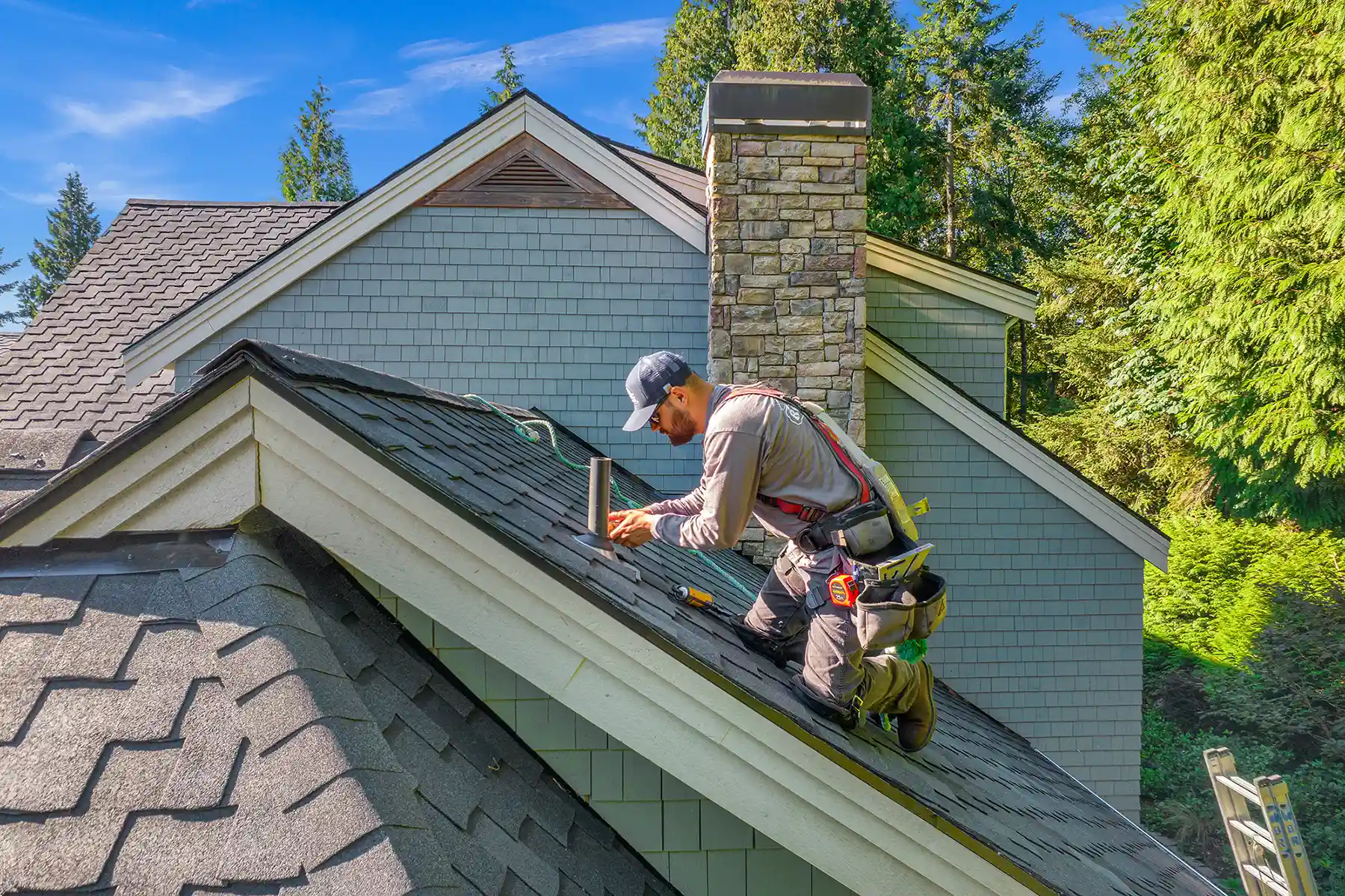
Professional repair services often include detailed inspections of flashing, underlayment, ventilation, roof decking, and moisture-prone areas that aren’t immediately visible.
Even if everything appears fine from outside, an inspection can reveal developing issues before they become expensive emergencies.
A Roof Is More Than Just Shingles
Many homeowners think of roofing as simply the layer of shingles covering the house.
In reality, modern roofing systems consist of several interconnected components working together.
The roof deck provides structural support.
Underlayment acts as a moisture barrier.
Flashing seals vulnerable areas around chimneys, skylights, and vents.
Ventilation regulates attic temperatures and moisture levels.
Finally, shingles protect everything underneath from the elements.
If one component begins to fail, it often affects the performance of the entire system. That’s why quality repairs focus on identifying the source of a problem rather than simply replacing damaged shingles.
Why Regular Roof Inspections Matter
Many homeowners wait until they notice a leak before calling a roofing contractor.
Unfortunately, that’s usually later than ideal.
A professional inspection every year or two—especially after severe weather—can uncover problems while they’re still manageable.
Inspectors often identify:
- Loose or missing shingles
- Damaged flashing
- Signs of moisture intrusion
- Soft spots in roof decking
- Poor attic ventilation
- Early mold or mildew growth
- Gutter drainage issues
These inspections are relatively inexpensive compared to the cost of repairing extensive water damage later.
Think of them as preventive maintenance rather than emergency repairs.
Weather Doesn’t Forgive Weak Spots
Every climate presents different roofing challenges.
Homes in hot regions experience intense ultraviolet exposure that gradually dries roofing materials.
Cold climates deal with ice dams and repeated freeze-thaw cycles.
Coastal homes battle salt air and high humidity.
Storm-prone areas must withstand heavy rain, hail, and powerful winds.
Regardless of where you live, weather has an incredible ability to find the weakest point on any roof.
Keeping your roof in good condition before severe weather arrives is always more affordable than repairing storm-related damage afterward.
The Value of Quality Workmanship
Even the highest-quality roofing materials depend on proper installation and repair techniques.
Poor workmanship can create leaks around vents, chimneys, valleys, and skylights even when premium products are used.
Experienced roofing professionals understand how moisture moves across a roof, where leaks commonly develop, and how to repair problems without creating new ones elsewhere.
That’s one reason why hiring an established contractor with positive reviews and a strong local reputation is so important.
Quality workmanship often determines whether a repair lasts for years or fails after the next heavy rain.
Maintenance Is Easier Than Most People Think
Roof maintenance doesn’t require specialized knowledge or expensive equipment.
Simple habits make a significant difference.
Clean gutters before they overflow.
Trim tree branches that touch the roof.
Look for loose shingles after storms.
Check the attic occasionally for damp insulation or water stains.
These small tasks take very little time but can dramatically extend the lifespan of your roof.
A little prevention often eliminates the need for major repairs later.
Final Thoughts
Your roof quietly protects everything that matters inside your home, yet it’s easy to forget about until something goes wrong. Paying attention to small warning signs, scheduling regular inspections, and addressing minor damage quickly can help you avoid costly repairs while extending the life of your roofing system.
Whether your roof only needs routine maintenance or a professional repair, taking action early is almost always the best decision. A well-maintained roof doesn’t just keep water out—it protects your home’s value, improves energy efficiency, and provides the peace of mind that comes from knowing your family is safe and secure no matter what the weather brings.
When cared for properly, a quality roof will continue doing its job quietly for decades, asking for very little while giving you dependable protection every single day.