There’s a moment most homeowners recognize: you fill a glass from the kitchen faucet, take a sip, and immediately notice that something isn’t quite right. Maybe the water tastes slightly metallic. Maybe there’s a faint chlorine flavor. Or perhaps you’re simply tired of buying cases of bottled water every time you go grocery shopping.
For many households, reverse osmosis can be a practical way to improve drinking and cooking water. But choosing an RO system isn’t simply about finding the biggest filter or the product with the most impressive claims. The quality of the water coming into your home, your household’s needs, and the system’s design all matter.
Why Reverse Osmosis Gets So Much Attention
Reverse osmosis is a water treatment process that uses pressure to push water through a semi-permeable membrane. The membrane allows water molecules to pass while reducing many dissolved substances and impurities.
That’s what makes RO different from a basic taste-and-odor filter.
Carbon filtration can be excellent for improving taste and reducing chlorine, but reverse osmosis goes a step further by addressing a broader range of dissolved substances. The result can be noticeably cleaner-tasting drinking water.
Of course, no water treatment technology removes everything, and performance depends on the system and the incoming water. That’s why realistic expectations matter.
Choosing an RO System in Winchester
Homeowners looking for Reverse Osmosis Systems Winchester VA have plenty of options to consider, but the best system isn’t necessarily the one with the flashiest specifications.
Start with the water itself.
Municipal water and private well water can have different characteristics. Hardness, chlorine, sediment, iron, pH, and other factors can influence how an RO system performs.
Water testing can provide useful information before installation. It also helps determine whether pre-filtration or additional treatment is needed to protect the RO membrane.
A professional assessment can save you from buying a system that isn’t properly matched to your home’s conditions.
What Makes a Reverse Osmosis System High Quality?
Not all systems are created equally.
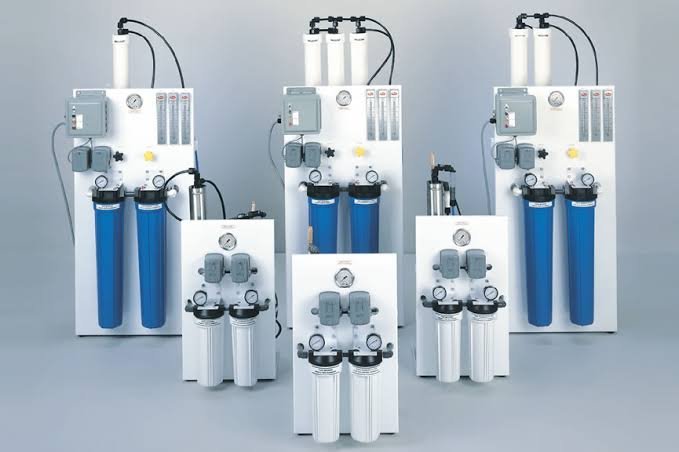
When comparing high-quality reverse osmosis systems, look beyond the number of filtration stages listed on the box. Consider the quality of the membrane, filter construction, storage tank, faucet, fittings, and replacement components.
System capacity matters, too. A small household may have very different drinking-water demands from a large family.
Ease of maintenance is another consideration that often gets overlooked. If replacing filters is unnecessarily complicated, it’s easier to put the job off — and neglected filters aren’t doing anyone any favors.
A good system should fit naturally into your routine.
What Can Reverse Osmosis Reduce?
One reason RO is popular is its ability to reduce many dissolved contaminants. Depending on the system and water conditions, reverse osmosis can address substances such as certain salts, dissolved minerals, and various contaminants.
You’ll often see marketing claims suggesting RO removes 99% of contaminants. That number needs context.
The actual reduction percentage varies by contaminant, membrane, system design, water chemistry, and operating conditions. A claim like “up to 99%” doesn’t mean every RO system removes 99% of everything.
That’s why reputable information matters. Look for performance data specific to the contaminants you’re concerned about rather than relying on a single broad percentage.
Better-Tasting Water for Everyday Use
The benefits of an RO system aren’t limited to drinking a plain glass of water.
Many homeowners notice the difference in coffee, tea, soups, sauces, and ice. Water is an ingredient in all of these things, so its taste can influence the finished product more than you might expect.
If you’ve ever made coffee while traveling and thought, “Why does this taste different?” the water may be part of the explanation.
Reducing certain dissolved substances and unpleasant tastes can make ordinary kitchen routines feel a little better.
It’s not dramatic. It’s just one of those small improvements you notice repeatedly.
Why Pre-Filtration Matters
An RO membrane is the heart of the system, but it shouldn’t have to do all the work.
Pre-filters can remove sediment and reduce chlorine or other substances that could affect the membrane. This helps protect the system and can contribute to longer membrane life.
The exact filtration stages depend on the water entering your home. Again, testing matters.
A well-designed RO system isn’t simply a collection of filters stacked together. Each component should have a purpose.
Installation and Maintenance Count
Even an excellent system can disappoint if it’s poorly installed or neglected.
Installation should account for water pressure, plumbing connections, drain requirements, storage capacity, and available space beneath the sink.
After installation, filters and membranes need periodic replacement. The schedule depends on water usage, water quality, and manufacturer recommendations.
Don’t wait until the water tastes strange before checking the system. By then, you’ve probably already stretched the filters longer than you should have.
Is Reverse Osmosis Right for Your Home?
RO isn’t necessary for everyone.
If your municipal water already tastes good and testing shows no particular concerns, a simple filtration system may be enough. If you’re dealing with specific dissolved contaminants or simply want highly treated drinking water, reverse osmosis may be worth considering.
The key is matching the technology to your goals.
A professional water treatment provider can test the water, explain the results, and help determine whether RO makes sense for your household.
A Smarter Way to Choose
Reverse osmosis can be an excellent investment when it’s properly selected, installed, and maintained.
Before purchasing, test your water. Identify what you want to improve. Compare membrane quality, filtration stages, maintenance requirements, and long-term replacement costs.
And don’t get distracted by marketing numbers alone.
The best system isn’t necessarily the one promising the most impressive percentage. It’s the one that consistently produces water suited to your household’s needs.
At the end of the day, good drinking water should be simple. Turn on the faucet, fill your glass, take a sip — and enjoy it without wondering what’s hiding behind the taste.