There’s something oddly reassuring about filling a glass straight from the kitchen tap and knowing you’ll actually enjoy drinking it. No strange aftertaste. No noticeable odor. No second-guessing whether the water tastes the way it should.
For many households, improving drinking water is less about chasing perfection and more about making an everyday necessity a little better. The right treatment system can help address specific water-quality concerns while giving you more confidence in the water you drink and cook with.
Why Drinking Water Can Taste Different
Even treated municipal water can have a noticeable taste or smell. Chlorine or chloramine used for disinfection may be particularly apparent, while minerals naturally present in the water can influence flavor.
Private well water can have its own set of challenges, including hardness, iron, sulfur-related odors, sediment, or other substances depending on local conditions.
The first step is understanding what’s actually in the water. A system that works beautifully for chlorine taste may not address hardness, and a softener isn’t designed to remove every dissolved contaminant.
Water treatment works best when it’s based on the problem you’re trying to solve.
Drinking Water Systems for Everyday Use
Many homeowners choose dedicated drinking water systems for the kitchen. These systems can be installed at a specific faucet or integrated into a broader household setup, depending on the technology and the desired application.
A drinking-water system may use one or several treatment stages. Filtration can reduce certain particles and substances, while activated carbon is commonly used to improve taste and odor. More advanced purification technologies can target a broader range of dissolved substances.
The right choice depends on your water quality, household consumption, available space, maintenance preferences, and budget.
There’s no prize for choosing the most complicated system. A simpler system that properly addresses your needs can be the better investment.
What Does Cleaner, Clearer Water Really Mean?
The phrase cleaner, clearer drinking water sounds appealing, but it should have a practical meaning behind it.
Clear water refers mainly to appearance. Water can look crystal clear and still contain dissolved substances that aren’t visible. Likewise, cloudy water can have several possible causes, from harmless air bubbles to sediment or other water-quality issues.
That’s why appearance alone shouldn’t be used as proof of water quality.
A properly selected treatment system can help improve specific characteristics of your water, but the results depend on the technology used and the substances present in the original supply.
Understanding Water Purification Systems
The term water purification systems covers a wide range of technologies, each with different capabilities.
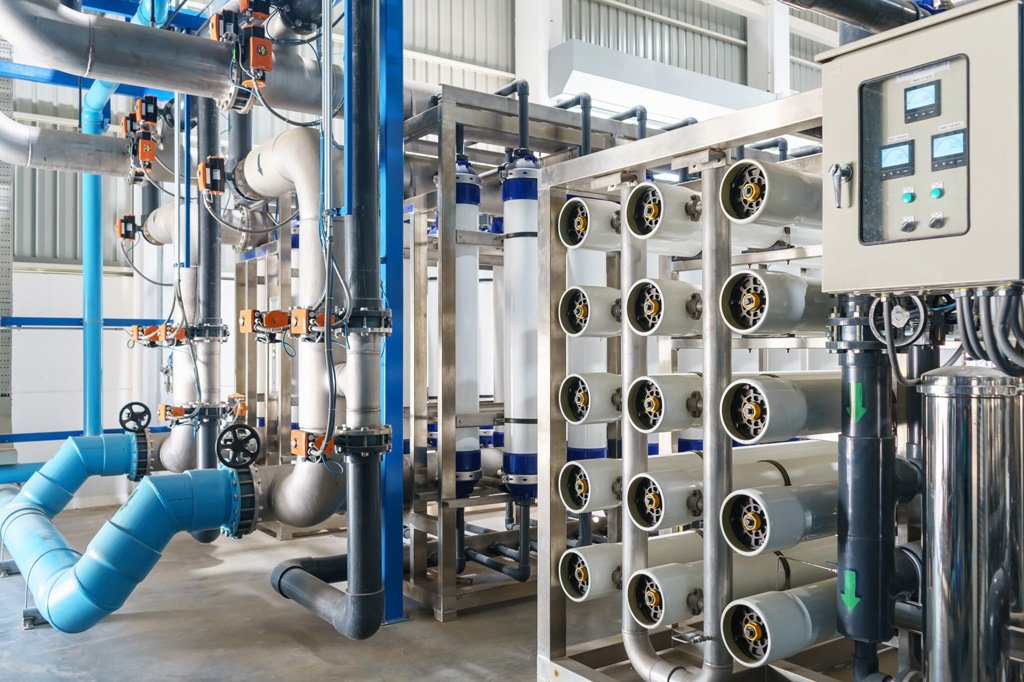
Reverse osmosis, for example, uses a semipermeable membrane to reduce many dissolved substances. Carbon filtration can be effective for certain taste, odor, and chemical concerns. Ultraviolet treatment is designed to help inactivate microorganisms under appropriate conditions.
Some systems combine several technologies to create multiple treatment stages.
This is useful because water-quality problems rarely follow a neat checklist. A household may want better taste and odor while also dealing with hardness or another specific concern.
The key is knowing what each component is designed to do.
Reverse Osmosis for Highly Treated Drinking Water
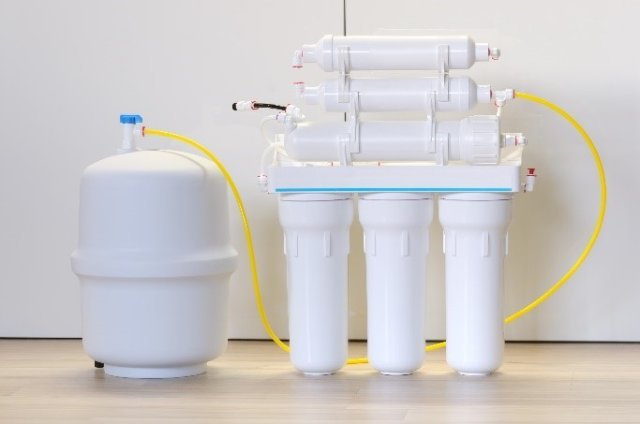
Reverse osmosis is a popular choice when homeowners want more extensive treatment at the kitchen tap.
During the process, water is forced through a specialized membrane under pressure. Many dissolved substances are reduced, while treated water passes through for drinking and cooking.
RO systems commonly include pre-filters and post-filters to support the membrane and improve the finished water. Some systems may also include additional treatment stages.
One consideration is that reverse osmosis systems can produce wastewater as part of the purification process. Efficiency varies by system design, so it’s worth asking about water usage before purchasing.
Filtration Can Be a Simple Answer
Not everyone needs reverse osmosis.
If your primary concern is chlorine taste, odor, or certain sediment, a well-designed filtration system may be enough. Activated carbon filters are commonly used for these types of applications.
Filtration can also be convenient because it often requires less equipment and may have simpler maintenance requirements than more advanced purification technologies.
Again, testing helps. You don’t want to buy a system designed to solve a problem you don’t actually have.
Maintenance Is Part of Water Quality
A drinking-water system only works as intended when it’s maintained properly.
Filters eventually need replacement. RO membranes have service requirements. UV systems need attention to lamps and other components. Neglected equipment can lose performance over time.
Before choosing a system, ask how often filters need to be changed and whether replacements are easy to obtain. Find out what maintenance the manufacturer recommends and whether professional service is available.
It’s a small detail that can make a big difference in the long run.
Better Drinking Water Starts With the Right Question
Instead of asking, “What is the best water purifier?” ask, “What does my water actually need?”
That simple change in perspective can lead to a much better decision.
Test the water. Identify the concerns. Consider how much drinking and cooking water your household uses. Then compare treatment technologies based on what they are designed to accomplish.
For some homes, carbon filtration will be enough. Others may benefit from reverse osmosis, UV treatment, or a combination of technologies.
The goal isn’t simply to make water sound cleaner in a product description. It’s to choose a practical system that improves the water you use every day and continues doing so with proper maintenance.
After all, the best water treatment system is the one that quietly does its job — giving you water you’re happy to pour into your glass, kettle, coffee maker, and cooking pot.