Water has a way of blending into everyday life. We pour it into the coffee maker before sunrise, rinse fresh vegetables at dinner, fill reusable bottles on the way out the door, and never really stop to think about it. It’s simply there, quietly supporting almost everything we do.
Until something changes.
Maybe your water starts tasting slightly metallic. You notice white spots covering freshly washed glasses, or your shower leaves your skin feeling unusually dry. Sometimes there isn’t an obvious clue at all, and that’s what surprises many homeowners. Water can look perfectly clear while still containing minerals or contaminants that affect taste, plumbing, or household appliances.
That’s why the smartest water treatment decisions rarely begin with buying equipment. They begin with understanding the water itself.
Testing your home’s water provides answers that guesswork simply can’t.
Every Home Has a Different Water Story
One of the biggest misconceptions about residential water is that every house receives essentially the same supply.
In reality, water quality varies more than most people realize.
Homes connected to municipal water systems often experience differences caused by plumbing materials, infrastructure age, seasonal treatment adjustments, and local distribution networks. Private well owners face another set of variables entirely, including groundwater conditions, rainfall patterns, and naturally occurring minerals.
Even neighboring houses can have noticeably different water characteristics.
Because of those differences, copying someone else’s filtration setup doesn’t always produce the same results.
The best decisions always begin with accurate information.
Why in-home water testing Makes So Much Sense
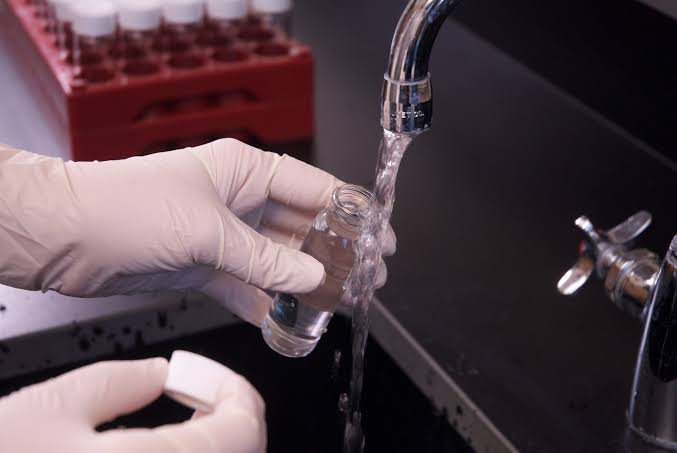
Professional in-home water testing allows homeowners to evaluate their water without relying on assumptions or generalized reports.
Instead of guessing why dishes develop spots or why water tastes unusual, trained professionals examine the specific characteristics of the water entering your home.
Testing may evaluate factors such as hardness, pH, dissolved minerals, chlorine levels, sediment, iron, sulfur, and other common water quality indicators depending on the type of analysis being performed.
Having those results removes uncertainty.
Rather than purchasing equipment based on advertising claims, homeowners gain information that’s directly relevant to their own property.
That’s a much smarter place to start.
Small Changes in Water Can Signal Bigger Issues
Water problems don’t always announce themselves dramatically.
Sometimes the changes are subtle.
Soap no longer lathers as easily.
Coffee tastes slightly different.
Water pressure gradually declines.
Fixtures develop stubborn mineral deposits.
Laundry loses some of its softness.
These symptoms often appear long before homeowners realize water quality has changed.
Testing helps identify potential concerns early, allowing small adjustments instead of waiting until larger plumbing or appliance issues develop.
Preventive action almost always costs less than reacting to major problems later.
A free water test Can Be a Valuable Starting Point
Many homeowners hesitate to schedule testing because they assume the process will be expensive or overly complicated.
Fortunately, some providers offer a free water test that gives homeowners an initial understanding of common water characteristics before recommending any treatment options.
While comprehensive laboratory analysis may still be appropriate for certain concerns, an introductory evaluation often provides helpful insight into issues like hardness, chlorine, iron, or sediment.
For families who have never tested their home’s water before, it’s an easy way to begin learning more about what flows from their taps every day.
Knowledge is always a worthwhile investment—especially when it comes to something your family uses constantly.
Better Water Improves More Than Drinking
People naturally think about drinking water first, but water quality influences almost every room in the home.
It’s used for cooking.
Bathing.
Laundry.
Dishwashing.
Cleaning.
Watering indoor plants.
Even household appliances rely on the same water supply.
When water quality improves, homeowners often notice benefits that extend well beyond the kitchen sink.
Showers feel more comfortable.
Glassware dries with fewer spots.
Soap rinses away more effectively.
Appliances may experience less mineral buildup.
These changes happen gradually, yet together they create a noticeably better daily experience.
Why water quality testing Leads to Better Decisions
Choosing treatment equipment without water quality testing is a little like buying prescription glasses without having an eye exam first.
You might get lucky.
But there’s a much better approach.
Professional testing identifies the actual conditions affecting your home’s water, allowing filtration or treatment systems to be selected based on facts rather than assumptions.
Some homes primarily require hardness reduction.
Others benefit from chlorine removal.
Private wells may need specialized filtration.
Certain households don’t require major treatment at all.
Testing prevents unnecessary purchases while ensuring homeowners invest in solutions that genuinely solve the problems they have.
That’s good for both performance and long-term value.
Water Quality Can Change Over Time
Many people assume testing is something you do once and never think about again.
In reality, water isn’t completely static.
Municipal systems occasionally update treatment practices.
Groundwater shifts with seasonal rainfall.
New plumbing installations can influence water quality.
Private wells respond to environmental conditions throughout the year.
Periodic testing helps confirm that your treatment system still matches your home’s current water rather than relying on outdated information.
For most homeowners, occasional testing provides reassurance that everything continues performing as expected.
The Right Treatment Begins with the Right Information
Modern water treatment offers an impressive range of options.
Water softeners.
Carbon filtration.
Reverse osmosis.
Ultraviolet purification.
Sediment filters.
Combination systems.
Each serves a specific purpose.
The challenge isn’t finding equipment.
It’s choosing the equipment that actually fits your home’s water conditions.
Testing removes much of that uncertainty.
Instead of wondering which system might work, homeowners receive recommendations based on measurable results rather than guesswork.
That personalized approach almost always leads to greater satisfaction over the long term.
Clean Water Is One of the Best Investments You Can Make
Water touches nearly every part of daily life, yet it’s surprisingly easy to take it for granted until something changes.
Whether you’re brewing coffee before work, preparing dinner for your family, taking a relaxing shower, or filling a glass before bed, water quietly supports those moments without asking for attention.
Understanding its quality is one of the simplest ways to protect your home, your plumbing, and your everyday comfort.
At the end of the day, water testing isn’t really about finding problems.
It’s about gaining confidence.
Confidence that your family is using water that matches your expectations.
Confidence that any treatment system you install is actually solving the right issue.
And confidence that one of your home’s most important resources is working exactly the way it should.
Sometimes the smartest investment isn’t buying new equipment at all. Sometimes it’s simply taking the time to understand the water you already have.