A few years ago, most drinks fell into fairly simple categories. You had tea, coffee, soft drinks, juices, maybe protein shakes if you were into fitness. People mostly drank things for taste, refreshment, or caffeine.
Now beverages are trying to do much more.
Walk into any modern supermarket or scroll through wellness-focused social media, and suddenly every drink promises something extra. Better sleep. Improved digestion. Stress reduction. Mental focus. Hydration support. Gut health. Energy balance. Immunity boosts.
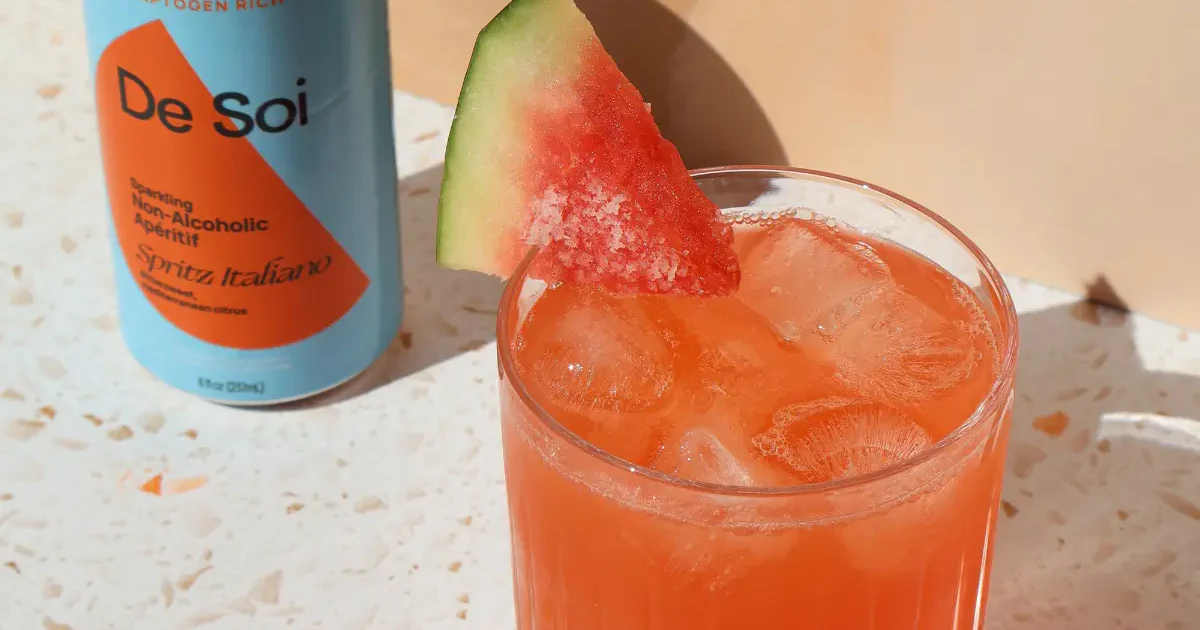
Some contain probiotics. Others have collagen, adaptogens, nootropics, electrolytes, herbs, vitamins, mushrooms, plant extracts, or ingredients most consumers honestly hadn’t even heard about five years ago.
Which naturally raises the question: Functional beverages wellness industry me itne popular kyun ho rahe hain?
The answer says a lot about modern lifestyles, health anxiety, and how people increasingly view wellness itself.
People Want Health Without Complicated Routines
One major reason functional beverages exploded is convenience.
Modern wellness culture can feel exhausting sometimes. There are workout plans, supplements, skincare routines, sleep optimization advice, meditation apps, nutrition tracking, biohacking trends, and endless health information online constantly competing for attention.
Most people simply want easier ways to feel healthier.
Functional beverages fit perfectly into that mindset because they combine wellness with habits people already have daily — drinking something.
Instead of adding another complicated step to life, consumers feel like they’re upgrading existing routines naturally.
A person already drinking morning coffee may switch to mushroom coffee. Someone buying soda may choose probiotic sparkling drinks instead. The behavior stays familiar while the product feels “healthier.”
The Pandemic Changed Health Awareness
COVID-19 shifted wellness conversations dramatically across the world.
People became far more conscious about immunity, stress, sleep quality, hydration, gut health, and mental well-being. Even consumers who never paid much attention to wellness products before started reading labels more carefully.
That shift created huge demand for products positioned around proactive health support.
Functional beverages arrived at exactly the right time.
And unlike pills or supplements, beverages feel less clinical and more lifestyle-oriented. That matters psychologically. Drinking something enjoyable feels easier than “taking medicine,” even when health benefits overlap slightly.
Younger Consumers Prefer Preventive Wellness
Millennials and Gen Z especially seem more interested in preventive health habits than older generations often were at the same age.
Instead of waiting for serious health issues, younger consumers increasingly focus on:
- Energy balance
- Better focus
- Stress management
- Skin health
- Sleep quality
- Digestive wellness
This preventative mindset fits naturally with functional beverage marketing.
The products promise optimization rather than treatment.
And honestly, Functional beverages wellness industry me itne popular kyun ho rahe hain? becomes easier to understand once you realize modern wellness culture revolves heavily around “feeling better” rather than simply avoiding illness.
That emotional positioning is powerful.
Social Media Turned Wellness Into Identity
Platforms like Instagram and TikTok played a huge role in this trend too.
Functional beverages photograph beautifully:
- Minimalist cans
- Matcha lattes
- Adaptogen drinks
- Collagen smoothies
- Colorful hydration mixes
But beyond aesthetics, wellness products became part of personal identity online. People now publicly share routines connected to productivity, fitness, mindfulness, skincare, and nutrition.
Beverages naturally fit into that lifestyle storytelling culture.
A morning drink is no longer just a drink. It becomes part of a “wellness routine” narrative people build around themselves online.
Stress and Fatigue Are Driving Consumption
Modern lifestyles also created perfect conditions for functional beverage growth.
People are tired — mentally and physically.
Long work hours, screen fatigue, sleep disruption, social pressure, urban stress, and overstimulation made consumers increasingly interested in products promising calmness, focus, or sustainable energy.
That’s partly why categories like:
- Energy alternatives
- Relaxation drinks
- Sleep beverages
- Cognitive support drinks
…grew so rapidly recently.
Whether every claim is scientifically strong enough is another discussion entirely. But emotionally, the demand makes complete sense.
Some Products Are Legitimately Useful
Now, to be fair, not every functional beverage is purely marketing hype.
Some genuinely contain beneficial ingredients:
- Electrolytes help hydration
- Probiotics support gut health
- Protein drinks support recovery
- Green tea provides antioxidants
- Certain vitamins address nutritional gaps
The problem is that marketing often exaggerates benefits dramatically.
Consumers sometimes assume one trendy beverage will suddenly transform energy, mood, digestion, focus, and skin simultaneously. Real health rarely works that magically.
Still, some products absolutely provide practical value when used realistically.
The Line Between Wellness and Marketing Gets Blurry
This is where things become slightly complicated.
Wellness industries are extremely skilled at selling aspiration. Functional beverages often market emotional outcomes as much as physical ones:
- Calmness
- Productivity
- Balance
- Clean living
- Self-care
- Focus
Sometimes consumers buy the feeling associated with the product more than the actual ingredient science.
And honestly, companies understand this very well.
That doesn’t mean the products are fake. But it does mean branding often shapes perception heavily.
Traditional Beverage Brands Are Responding Quickly
The popularity of functional beverages became impossible for large companies to ignore.
Major beverage corporations are now investing aggressively in:
- Low-sugar wellness drinks
- Plant-based beverages
- Gut-health products
- Functional hydration
- Mental wellness beverages
Even traditional soft drink companies increasingly market “health-conscious” product lines because consumer preferences shifted noticeably.
The wellness category is no longer niche anymore.
There’s Also a Risk of Overconsumption
One concern experts sometimes raise is that consumers may overconsume functional beverages assuming “healthy” automatically means unlimited consumption is safe.
Some products contain:
- High caffeine
- Excess sugar substitutes
- Unregulated herbal blends
- Stimulants
- Excess vitamins
Marketing language can occasionally create unrealistic perceptions around healthfulness.
So reading ingredient labels still matters — even when packaging looks extremely wellness-focused.
Final Thoughts
Functional beverages became popular because they perfectly match modern consumer psychology. People want convenient wellness, preventive health support, emotional comfort, and lifestyle alignment without dramatically changing daily routines.
These drinks sit at the intersection of health, branding, convenience, and identity.
Some genuinely offer useful nutritional benefits. Others rely more heavily on clever marketing and aspirational wellness culture. Most exist somewhere in between.
But regardless of where individual products stand scientifically, one thing feels clear: consumers increasingly want food and beverages that feel purposeful, not just flavorful.
And in today’s wellness-driven culture, even something as simple as a drink now carries emotional meaning far beyond thirst alone.