There was a time when wearable technology mostly meant step counters and basic fitness bands. People used them to track walking goals, maybe monitor sleep occasionally, and then forgot about them for the rest of the day.
Now wearables are becoming much smarter — and much more personal.
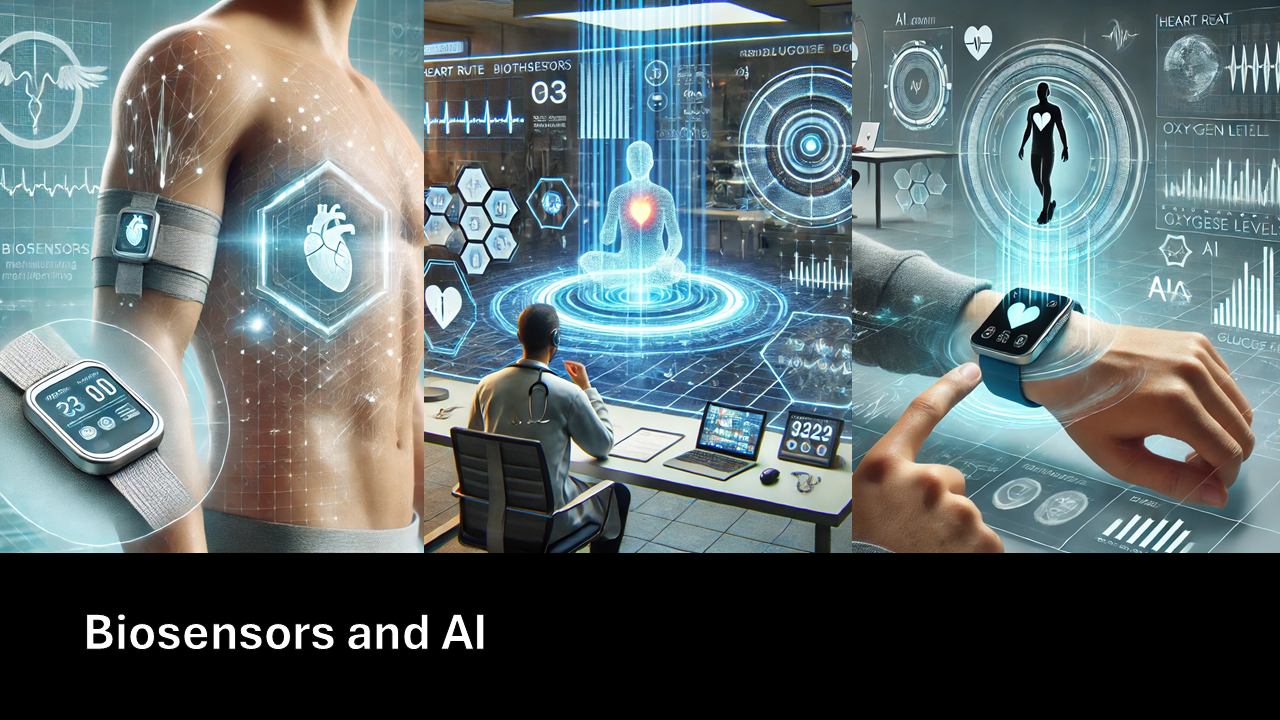
Modern AI-powered wearable devices can monitor stress levels, track focus patterns, summarize notifications, analyze work habits, predict fatigue, optimize routines, and even suggest when someone should take breaks before burnout starts creeping in. Some devices quietly observe behavior patterns throughout the day without users fully realizing how much information is being processed in the background.
That shift is turning wearables from simple accessories into productivity companions.
Naturally, many people have started asking: AI wearable devices personal productivity ko kaise improve kar rahe hain?
The answer isn’t only about technology. It’s also about how modern life became increasingly overwhelming.
Productivity Today Feels Mentally Exhausting
One reason AI wearables gained attention so quickly is because modern productivity culture feels chaotic.
People constantly juggle:
- Meetings
- Notifications
- Emails
- Messages
- Deadlines
- Social media
- Health routines
- Work-life balance
The human brain wasn’t really designed for nonstop digital interruptions every waking hour. Attention gets fragmented constantly, and many people feel busy without actually feeling productive.
AI wearables attempt to solve part of that problem by helping users understand their own behavioral patterns more clearly.
Instead of only tracking physical activity, these devices increasingly track cognitive and emotional rhythms too.
Wearables Are Becoming More Context-Aware
Older gadgets mainly collected raw data. AI-powered systems go further by interpreting behavior patterns intelligently.
For example, some devices can now detect:
- Elevated stress levels
- Poor sleep recovery
- Mental fatigue
- Reduced focus periods
- Increased distraction frequency
- Energy fluctuations throughout the day
Rather than simply presenting numbers, AI systems offer recommendations based on patterns over time.
That’s an important shift.
People don’t always need more information. Sometimes they need help understanding which information actually matters.
Productivity Is Becoming More Personalized
One interesting thing about AI wearables is how personalized productivity guidance is becoming.
Traditional productivity advice often sounds universal:
- Wake up earlier
- Work harder
- Follow strict schedules
- Reduce distractions
But humans don’t function identically.
Some people focus better in mornings. Others become highly productive late at night. Some need frequent breaks. Others prefer long uninterrupted sessions. AI systems learn these individual patterns gradually.
That personalization makes productivity advice feel more realistic and sustainable instead of motivationally generic.
And honestly, most people perform better once they stop forcing routines completely unsuited to their natural rhythms.
Health and Productivity Are Now Closely Connected
Modern productivity conversations increasingly overlap with wellness.
People finally started realizing that:
- Poor sleep affects concentration
- Stress impacts decision-making
- Burnout reduces creativity
- Physical inactivity lowers energy
- Mental fatigue destroys focus
AI wearables connect these relationships clearly through real-time tracking.
For example, a device may notice:
- Reduced sleep quality
- Elevated heart rate variability
- Increased stress signals
…and suggest lighter schedules or recovery breaks before performance declines significantly.
This is one reason AI wearable devices personal productivity ko kaise improve kar rahe hain? has become such an interesting discussion recently. Productivity is no longer viewed purely as time management anymore.
It’s increasingly treated as energy management.
Notification Filtering Is Becoming Smarter
One underrated productivity problem today is notification overload.
Phones constantly compete for attention:
- Emails
- Social apps
- Work chats
- News alerts
- Random updates
AI-powered wearables increasingly filter information more intelligently. Instead of forwarding every interruption instantly, some systems prioritize alerts contextually based on urgency, behavior patterns, or current activity.
That subtle filtering can protect focus surprisingly well.
And honestly, uninterrupted attention may become one of the most valuable cognitive resources in the digital age.
Remote Work Accelerated Wearable Adoption
The rise of remote and hybrid work also influenced this trend heavily.
Without structured office environments, many people struggled with:
- Routine consistency
- Time boundaries
- Physical movement
- Work-life separation
- Energy regulation
Wearables partially filled that gap by creating external behavioral awareness.
Some devices remind users to:
- Stand up
- Hydrate
- Take movement breaks
- Slow breathing during stress
- Reduce screen exposure before sleep
These suggestions sound simple, but they help many users maintain healthier work rhythms over time.
AI Assistants Are Slowly Becoming Invisible
Another fascinating shift is how AI wearables increasingly operate quietly in the background instead of demanding constant interaction.
The best systems don’t overwhelm users with endless dashboards or complicated analytics. They surface useful insights only when relevant.
That subtle integration matters because people already feel overloaded by screens.
Future wearables may become even more ambient:
- Voice-guided reminders
- Predictive scheduling suggestions
- Context-aware focus optimization
- Passive health monitoring
- AI-generated summaries
Technology becomes less visible while becoming more integrated into daily behavior.
There Are Privacy Concerns Too
Of course, wearable AI also raises serious privacy questions.
These devices collect deeply personal information:
- Sleep patterns
- Stress signals
- Heart rate
- Activity behavior
- Work routines
- Emotional indicators
That data becomes extremely sensitive.
Many users feel uneasy about companies potentially storing or analyzing intimate behavioral information continuously. Concerns around surveillance, data sharing, workplace monitoring, and digital dependency continue growing alongside wearable adoption.
And honestly, those concerns are completely reasonable.
Productivity Can Also Become Obsessive
Another interesting challenge is psychological over-optimization.
Some people become excessively focused on tracking every habit:
- Sleep scores
- Productivity metrics
- Focus sessions
- Recovery data
- Performance analytics
At some point, constant self-measurement itself can become mentally exhausting.
Ironically, technology designed to reduce stress may sometimes create new forms of anxiety if users become too dependent on performance metrics constantly.
Balance still matters.
Final Thoughts
AI wearable devices are improving personal productivity by helping people understand themselves better — not just their schedules, but their energy, focus, stress, recovery, and behavioral patterns too.
The shift happening right now is deeper than simple gadget innovation. Productivity is slowly moving away from rigid “work harder” thinking toward more adaptive, human-centered optimization.
That’s probably healthier in the long run.
At the same time, wearable technology introduces important questions around privacy, digital dependency, and how much personal behavior should be continuously monitored in the pursuit of efficiency.
But one thing already feels clear: the future of productivity may become less about forcing discipline manually and more about intelligent systems quietly helping humans work in ways that align better with how they naturally function.