For the longest time, vending machines in India felt almost forgettable. You’d occasionally spot one in a railway station, office building, or hospital corner selling soft drinks, chips, or lukewarm coffee that nobody seemed particularly excited about. They existed, but barely felt relevant to everyday food culture.
That’s changing now — and surprisingly fast.
Modern smart vending machines look nothing like the older snack dispensers people remember. Today’s versions use touchscreens, digital payments, AI-driven inventory tracking, temperature-controlled compartments, and even facial recognition in some experimental setups. More importantly, they’re no longer limited to packaged junk food.
In many Indian cities, vending machines now sell salads, protein bowls, fresh sandwiches, hot beverages, regional snacks, healthy meals, desserts, and even specialty coffee. Airports, co-working spaces, metro stations, colleges, gyms, and tech parks are increasingly becoming testing grounds for this new style of automated food retail.
Which naturally raises a fascinating question: Smart vending machines urban food culture ko kaise change kar rahe hain?
Honestly, the answer goes beyond convenience alone. These machines are slowly reshaping how urban consumers think about access, speed, and even food habits themselves.
Convenience Culture Is Driving Everything
Modern urban life moves quickly. People commute longer, work irregular hours, and increasingly eat between schedules rather than around fixed meal timings.
That shift created demand for food options that are:
- Fast
- Contactless
- Available anytime
- Digitally accessible
- Easy to grab without waiting
Smart vending machines fit perfectly into this convenience-driven lifestyle.
Someone leaving a late-night office shift may not want to sit in a restaurant or wait for delivery. A vending machine offering fresh snacks or beverages inside the workplace becomes instantly useful. The same applies to students rushing between classes or travelers navigating airports during odd hours.
Urban consumers increasingly value reducing friction in daily routines, even for small purchases.
Digital Payments Made Adoption Easier
India’s digital payment revolution quietly helped smart vending systems grow much faster.
Older vending machines often failed partly because people rarely carried exact change or trusted machine-based transactions consistently. Today, UPI payments, QR scanning, contactless cards, and mobile wallets removed that barrier almost completely.
Now consumers interact with vending machines using the same payment behavior they already use daily elsewhere.
That familiarity matters more than people realize.
Technology adoption becomes easier when it blends naturally into existing habits rather than forcing entirely new behavior patterns.
Healthy Snacking Is Becoming More Important
One interesting shift is that vending machines are no longer associated only with unhealthy processed snacks.
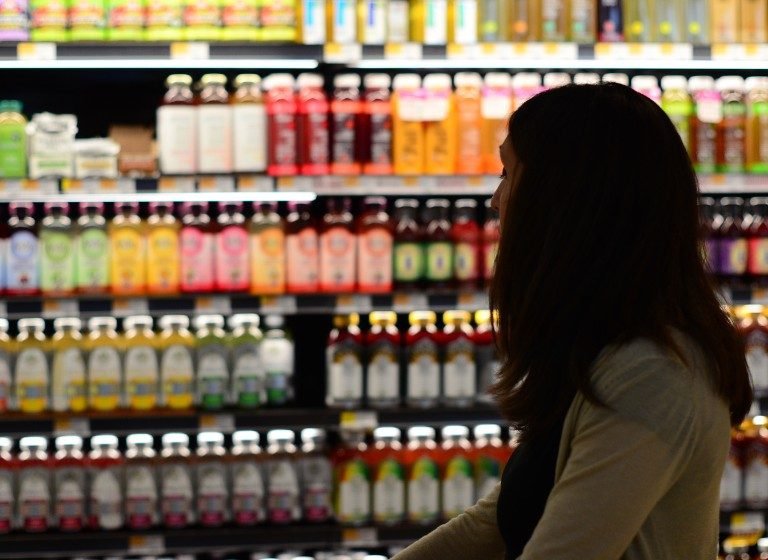
Urban consumers today actively look for healthier quick-food options. Protein bars, low-sugar drinks, fruit bowls, yogurt cups, millet snacks, cold-pressed juices, and ready-to-eat healthy meals are increasingly appearing inside modern vending systems.
That’s important because food culture itself is changing.
Earlier, convenience food usually meant sacrificing nutritional quality. Smart vending startups are trying to challenge that assumption by offering fresher and more wellness-oriented options through automated retail systems.
Whether every machine consistently delivers high-quality fresh food is another discussion, of course. But the intention itself reflects broader consumer demand.
Offices and Co-Working Spaces Love the Model
Corporate spaces have become one of the strongest environments for smart vending machine growth.
Why? Because the economics make sense.
Companies want employees to access food, beverages, and snacks easily without operating full cafeteria systems everywhere. Smart vending units provide scalable solutions with lower staffing requirements and flexible inventory management.
Employees benefit too.
Instead of leaving office campuses for basic refreshments, workers can access quick meals instantly during breaks or late working hours. In fast-paced startup and tech environments especially, convenience often wins over formal dining experiences.
And honestly, many urban professionals already treat food functionally during workdays. Speed matters more than atmosphere when deadlines pile up.
Urban Real Estate Is Becoming Expensive
Another reason vending culture is evolving is rising urban rental costs.
Traditional food outlets require staffing, kitchen infrastructure, seating space, maintenance, and high operational expenses. Smart vending systems need far less physical footprint comparatively.
That makes them attractive for locations where space is expensive or temporary:
- Metro stations
- Airports
- Corporate lobbies
- Educational campuses
- Hospitals
- Residential complexes
- Gyms
For brands, vending systems create retail presence without the full financial burden of conventional stores.
Technology Makes Machines Smarter Than Before
Modern vending systems aren’t just passive boxes anymore.
Many machines now use cloud-based inventory tracking, demand forecasting, temperature monitoring, and AI-driven restocking systems. Some analyze consumer purchasing behavior to optimize product selection dynamically.
This operational intelligence improves efficiency significantly compared to older vending models.
For example, machines can notify suppliers automatically when stock levels drop or refrigeration systems malfunction. That responsiveness helps maintain freshness and availability more reliably.
And because consumer expectations around food quality are much higher today, this backend technology becomes extremely important.
Urban Consumers Are Becoming More Comfortable With Automation
There’s also a broader cultural shift happening around automation itself.
People now routinely interact with self-checkout systems, app-based ordering, digital kiosks, and AI-driven customer interfaces. Smart vending machines fit naturally into this larger movement toward low-contact retail experiences.
The pandemic accelerated this acceptance even further.
Consumers became more comfortable with touchless transactions, automated systems, and minimal human interaction for everyday purchases. Smart vending ecosystems benefited from that behavioral change significantly.
Challenges Still Exist
Of course, smart vending machines aren’t perfect solutions everywhere.
Fresh food quality remains a critical challenge. Machines require consistent maintenance, hygiene standards, refrigeration reliability, and inventory management to avoid disappointing customers quickly.
Consumer trust matters heavily too.
People may buy packaged snacks easily, but convincing them to trust machine-dispensed fresh meals requires strong quality consistency. One bad experience can discourage repeat usage immediately.
There’s also the question of emotional food culture.
Indian food habits remain deeply social and human-centered. Street food vendors, local cafés, restaurants, and chai stalls offer emotional interaction and cultural atmosphere vending systems cannot fully replicate.
So vending machines will likely complement urban food ecosystems rather than replace traditional eating spaces entirely.
The Future Looks More Hybrid Than Robotic
What’s fascinating about smart vending growth is that it reflects how urban food behavior itself is evolving.
Consumers increasingly want flexibility:
- Quick access during busy schedules
- Healthy options without long waits
- Digital convenience
- 24/7 availability
- Personalized choices
Smart vending machines fit those expectations surprisingly well.
At the same time, people still crave social dining, local flavors, and human experiences around food. That balance means the future of urban eating probably won’t become fully automated — but it will become increasingly hybrid.
And honestly, the success of smart vending systems may not depend on replacing traditional food culture at all. It may depend on quietly supporting modern urban lifestyles in the small, practical moments where speed and convenience matter most.