For a long time, the idea of senior living communities in India carried a certain emotional discomfort. Many people associated them with loneliness, family separation, or the uncomfortable belief that children were somehow “sending parents away.” Traditional Indian family structures revolved around multigenerational homes, where grandparents, parents, and children often lived under the same roof for decades.
But modern life has started changing those dynamics quietly.
Today, conversations around aging, independence, healthcare, and lifestyle are evolving across urban India. Senior citizens themselves are beginning to think differently about retirement living. Instead of viewing it only through the lens of dependency, many older adults now prioritize comfort, safety, community, and personal freedom in ways earlier generations rarely discussed openly.
That shift explains why senior living projects are expanding so rapidly across cities like Bengaluru, Pune, Chennai, Hyderabad, and even smaller emerging urban regions.
Naturally, people are asking: India me senior living communities demand me itni fast growth kyun dekh rahe hain?
Honestly, the answer reflects deeper social changes happening inside Indian families and lifestyles themselves.
Indian Families Are Becoming More Nuclear
One of the biggest reasons behind the rise of senior living communities is the gradual shift toward nuclear family structures.
Earlier, multiple generations commonly stayed together. But today, younger professionals increasingly move across cities or even countries for education and career opportunities. Children working in Bengaluru may have parents living in Jaipur, Lucknow, or Kochi. International migration has widened these physical distances even further.
This geographical separation changes practical realities.
Even emotionally close families sometimes struggle to provide consistent physical support for aging parents because daily life itself became more mobile and demanding. Senior living communities often emerge as solutions built around safety, healthcare access, and social companionship rather than emotional abandonment.
That distinction matters more than many people realize.
Seniors Want Independence Too
Interestingly, the demand isn’t driven only by children.
Many senior citizens themselves actively prefer community-style living now. After retirement, some people don’t want to become dependent on busy family schedules or feel isolated inside large homes with limited social interaction.
Modern senior communities offer:
- Medical support
- Recreational activities
- Shared dining spaces
- Security systems
- Fitness facilities
- Hobby groups
- Social interaction with peers
For many older adults, that environment feels more active and emotionally fulfilling than staying alone in quiet apartments for years.
And honestly, companionship becomes deeply important during later stages of life — sometimes even more than luxury itself.
Healthcare Access Is a Huge Factor
Healthcare concerns play a massive role in this growth too.
As life expectancy increases in India, more families are thinking proactively about long-term aging support. Senior living communities often integrate emergency medical response systems, regular health monitoring, physiotherapy services, and easier hospital connectivity.
That infrastructure provides reassurance not only to residents but also to their children living elsewhere.
Urban healthcare itself can feel overwhelming sometimes, especially for elderly individuals managing mobility issues or chronic conditions. Community-based senior living simplifies many daily challenges through centralized support systems.
In many cases, people aren’t choosing these spaces because of emotional detachment. They’re choosing them because practical healthcare realities matter increasingly with age.
Retirement Is Being Redefined
Another major cultural shift is how retirement itself is viewed.
Earlier generations often treated retirement as a slower, quieter phase focused mostly around family responsibilities and religious routines. Today’s senior citizens — especially urban middle-class retirees — often have very different expectations.
Many want:
- Travel opportunities
- Social activities
- Fitness-focused lifestyles
- Intellectual engagement
- Community participation
- Comfortable independent living
Senior communities increasingly market themselves around active aging rather than passive dependency. The messaging changed from “care facilities” to “lifestyle communities,” and that repositioning matters psychologically.
Nobody wants to feel like they’re entering a space designed only around decline.
Real Estate Developers Recognized the Opportunity
India’s real estate sector also recognized this demographic shift quickly.
Developers understand that India’s elderly population is growing steadily, while urbanization and nuclear families continue expanding. That combination creates long-term demand for age-friendly housing solutions.
As a result, senior living projects today often include:
- Barrier-free architecture
- Emergency alert systems
- Wellness programs
- Community events
- Assisted living options
- Green spaces
- Spiritual and recreational facilities
Some projects even resemble luxury resorts more than traditional retirement homes.
The industry itself evolved significantly because consumer expectations evolved too.
Social Stigma Is Slowly Reducing
One important reason demand is increasing faster now is because stigma around senior living is gradually weakening.
A decade ago, many families hesitated even discussing these options openly due to social judgment. Today, attitudes are becoming more practical and emotionally nuanced. People increasingly understand that professional senior communities can sometimes improve quality of life rather than reduce it.
Of course, emotional resistance still exists in many families.
Indian culture remains deeply family-oriented, and that emotional bond won’t disappear anytime soon. But perceptions are shifting from “abandonment” narratives toward conversations about dignity, comfort, and independent aging.
That psychological change is hugely important for market growth.
Technology Is Improving Senior Living Experiences
Modern senior communities also use technology much more effectively now.
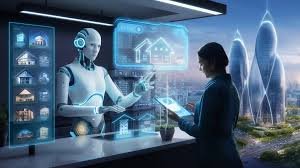
Smart security systems, emergency response devices, telemedicine access, health monitoring apps, digital social engagement tools, and AI-assisted healthcare support are gradually becoming part of these ecosystems.
Technology helps elderly residents maintain both independence and safety simultaneously.
For families living far away, digital monitoring and communication systems also reduce anxiety significantly.
Challenges Still Exist
Despite the growth, senior living communities in India still face challenges.
Affordability remains a major issue because many premium projects target upper-middle-class or affluent consumers. Emotional hesitation around leaving family homes also continues strongly in certain regions and generations.
Then there’s the question of emotional quality itself.
Not every community successfully creates warmth, belonging, or meaningful social engagement. Some projects focus heavily on infrastructure but underestimate emotional wellbeing and loneliness complexities.
Good senior living requires far more than comfortable buildings alone.
The Future Looks Increasingly Important
The demand for senior living communities in India will likely continue growing steadily over the next decade.
Longer lifespans, changing family structures, urban migration, healthcare awareness, and evolving retirement expectations are all pushing this shift forward simultaneously. What once felt socially uncomfortable is increasingly becoming a practical lifestyle choice for many families.
And honestly, perhaps the biggest change is this: aging itself is being viewed differently now.
Instead of treating later life purely as a period of decline, more people are beginning to see it as another phase deserving comfort, community, dignity, and independence. Senior living communities, at their best, are trying to respond to that changing reality — imperfectly sometimes, but meaningfully nonetheless.