For generations, traditional college degrees carried enormous weight in career building. A bachelor’s degree wasn’t just an academic qualification — it symbolized stability, employability, and social respect. Parents proudly framed certificates on living room walls, students spent years preparing for entrance exams, and employers treated degrees almost like default filters for opportunity.
But the professional world is changing faster than most education systems can comfortably keep up with.
Today, industries evolve rapidly, technology updates constantly, and entirely new job roles appear within just a few years. Skills that were valuable five years ago can suddenly become outdated, while fresh tools and platforms reshape entire career paths almost overnight.
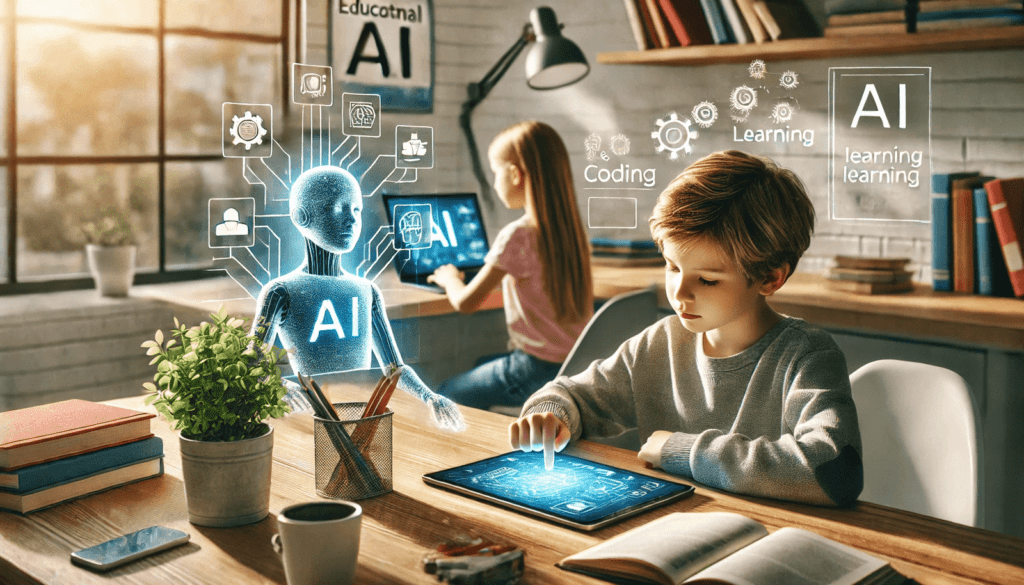
That shift explains why shorter, skill-focused learning models are gaining attention globally. Online certifications, bootcamps, specialized micro-courses, and practical training programs are increasingly influencing how people learn and work.
Naturally, this has sparked an important debate: Skill-based micro certifications traditional degrees ko replace kar sakti hain kya?
Honestly, the answer is probably more nuanced than either side likes to admit.
What Are Micro Certifications Exactly?
In simple terms, micro certifications are short, focused learning credentials designed around specific practical skills rather than broad academic education.
These programs usually target highly job-relevant abilities like:
- Digital marketing
- Data analytics
- UI/UX design
- AI tools
- Coding languages
- Cybersecurity
- Financial modeling
- Content creation
- Project management
Unlike traditional degrees that may take three or four years, micro certifications can often be completed within weeks or months.
That speed is one reason they’ve become so attractive, especially for young professionals and career switchers.
The Job Market Is Prioritizing Skills More Openly
One major reason micro certifications are growing is because employers themselves are changing hiring priorities in certain industries.
In technology, design, marketing, media, and startup ecosystems especially, companies increasingly care about demonstrable skills rather than only academic credentials. A strong portfolio, real-world projects, or platform-specific expertise sometimes matters more than university rankings now.
For example, someone skilled in AI automation tools or performance marketing may become employable much faster through targeted certifications than through generalized academic programs alone.
This doesn’t mean degrees suddenly became useless.
But it does mean the monopoly degrees once held over employability is slowly weakening in some sectors.
Younger Learners Want Faster Results
Another reason micro certifications are booming is simple: modern learners are impatient.
Not necessarily in a negative way — just practical.
Many students no longer want to spend years studying broad theoretical subjects before gaining employable skills. They want learning pathways that feel directly connected to real careers and visible income opportunities.
Micro certifications fit that expectation perfectly because they promise faster learning-to-earning transitions.
Someone can complete a specialized digital skill course and begin freelance work within months rather than waiting several years to enter the workforce traditionally.
For financially pressured students or working professionals trying to upskill quickly, that flexibility feels incredibly valuable.
Online Learning Made Everything More Accessible
The rise of online learning platforms changed education accessibility dramatically.
Earlier, gaining specialized skills often required physical institutes, expensive coaching centers, or urban relocation. Today, people in smaller cities can access high-quality courses, global instructors, and industry-focused certifications directly through smartphones or laptops.
That democratization of learning matters enormously.
Students who may not afford elite universities can still learn highly marketable skills independently. Working professionals can upgrade abilities without quitting jobs. Even career pivots feel more realistic now because learning itself became modular and flexible.
The traditional education system simply wasn’t built for that level of adaptability.
Degrees Still Offer Things Certifications Often Don’t
At the same time, replacing traditional degrees entirely is probably unrealistic.
Universities provide more than technical training alone. They offer:
- Foundational academic depth
- Structured thinking
- Research exposure
- Networking opportunities
- Social development
- Long-term credibility
- Broader interdisciplinary understanding
Certain professions also legally require formal degrees — medicine, law, engineering, architecture, and many government careers still depend heavily on accredited academic qualifications.
And honestly, many employers still use degrees as basic screening tools, especially in large organizations or traditional industries.
Micro certifications may strengthen employability, but they don’t automatically replace institutional credibility everywhere.
The Real Shift May Be Hybrid Education
What seems more likely is a blended future.
Traditional degrees may increasingly coexist with specialized certifications rather than compete directly against them. In fact, many students already combine both models naturally:
- Degree for foundational education
- Certifications for practical skills
- Online learning for career adaptability
- Portfolios for proof of capability
This hybrid learning approach aligns more realistically with how modern careers evolve.
People no longer learn once and stop. Careers today often require continuous upskilling throughout adulthood. Micro certifications support that lifelong learning cycle much better than rigid degree systems alone.
Employers Are Becoming More Practical
Another noticeable shift is that companies themselves are becoming more outcome-focused.
If someone can demonstrate strong real-world ability, some employers care less about whether the knowledge came from a university, bootcamp, freelance experience, or self-learning platform.
This is especially true in industries changing rapidly through AI and digital transformation.
Technology evolves too quickly for traditional academic curricula to update consistently. Certifications and short-term courses often adapt faster because they’re directly tied to industry demands rather than large institutional systems.
That agility gives micro-learning models a strong advantage.
There’s Still a Quality Problem
Of course, not all certifications are equally valuable.
The internet is flooded with low-quality courses promising unrealistic career transformations. Some programs focus more on marketing hype than actual skill development. Employers increasingly recognize this problem too.
That’s why credibility matters heavily in certification ecosystems.
Well-recognized platforms, practical projects, mentorship quality, and measurable outcomes separate meaningful certifications from superficial ones. Simply collecting certificates without real competence won’t help much in the long run.
The market is becoming smarter about distinguishing between learning and merely buying credentials.
So, Can Micro Certifications Replace Degrees?
Completely? Probably not.
But they are definitely reshaping how people think about education, employability, and career growth. The old assumption that one degree automatically guarantees long-term career success feels increasingly outdated in today’s rapidly changing professional landscape.
Instead, adaptability is becoming more valuable.
People now expect education to be flexible, skill-oriented, continuously evolving, and directly relevant to industry needs. Micro certifications fit naturally into that expectation.
And honestly, the future of learning may not belong entirely to universities or entirely to online certifications. It will probably belong to people who combine both wisely — building strong foundations while constantly updating practical skills as industries continue changing around them.