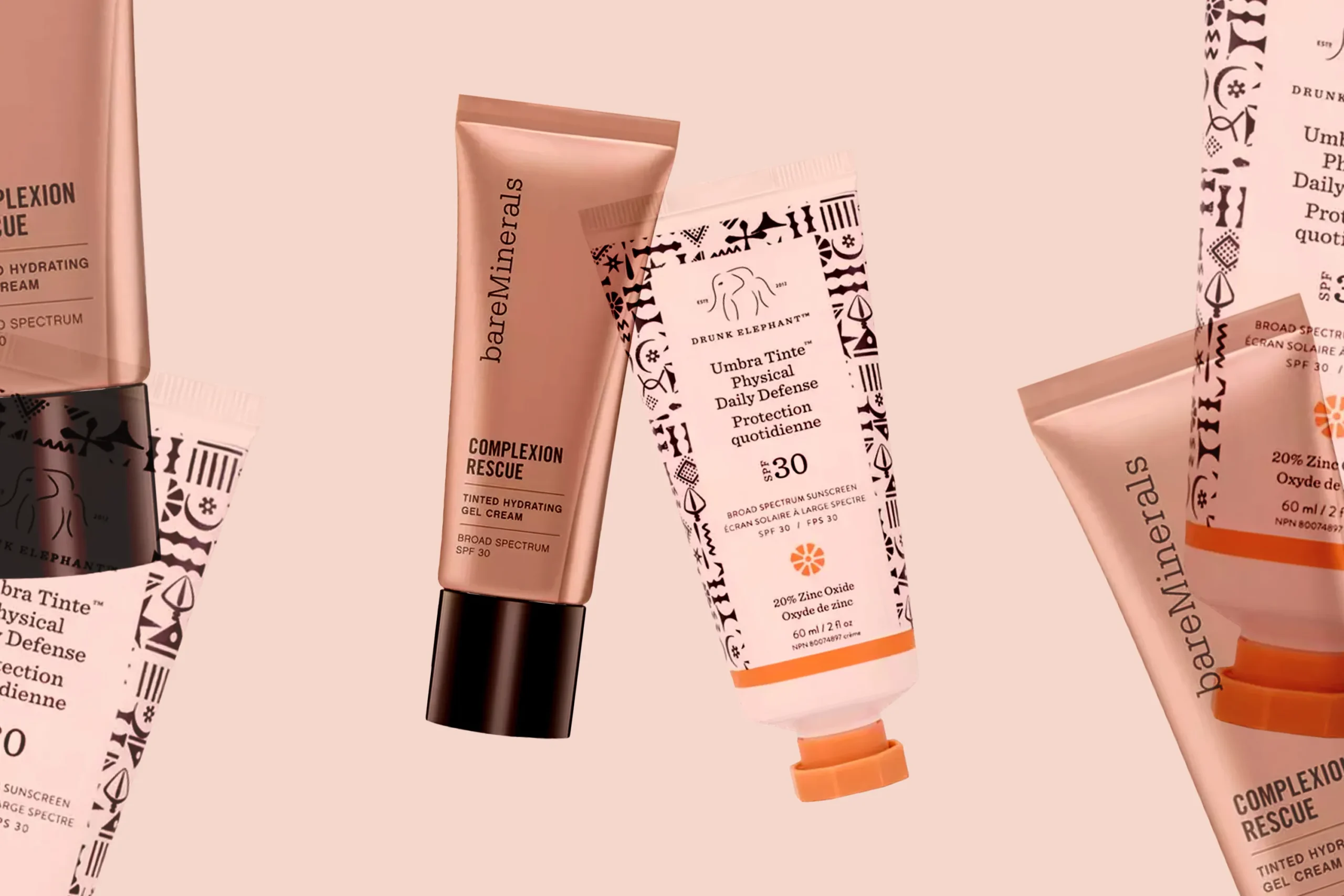
A few years ago, nobody really worried about “screen light” damaging their skin. People were more concerned about sunlight, pollution, acne, stress, or maybe the effects of sleeping too late after binge-watching shows. Then suddenly, skincare shelves started filling up with products claiming to protect skin from blue light exposure.
Serums. Sunscreens. Face mists. Overnight creams. Everyone seemed to be promising “digital skin protection.”
Naturally, consumers became curious — and slightly skeptical too. After all, modern skincare trends appear almost every month now. Some genuinely help, while others disappear quietly once the hype fades.
That’s why people increasingly ask: Blue light skincare products really effective hain ya marketing gimmick?
The truth, honestly, sits somewhere in the middle.
First, What Exactly Is Blue Light?
Blue light is part of visible light, and humans are exposed to it constantly. The sun itself is actually the biggest source of blue light exposure — much larger than phones or laptops.
However, digital devices like smartphones, tablets, televisions, and LED screens also emit blue light. Since modern lifestyles involve spending countless hours in front of screens daily, researchers started exploring whether prolonged exposure could affect skin health over time.
Some studies suggest blue light may contribute to:
- Oxidative stress
- Hyperpigmentation
- Skin inflammation
- Premature aging in certain cases
But there’s an important detail many advertisements conveniently skip.
The amount of blue light coming from screens is dramatically lower than direct sunlight exposure.
That distinction matters a lot.
Why Skincare Brands Jumped on the Trend
Skincare companies are extremely quick at spotting modern anxieties.
As soon as people became more aware of digital fatigue and screen-heavy lifestyles, brands naturally started positioning products around “digital defense.” From a marketing perspective, it makes perfect sense.
People spend entire days looking at screens now:
- Office work
- Online meetings
- Social media scrolling
- Streaming content
- Gaming
- Studying
So the idea that screens might silently affect skin feels believable emotionally, even if the science remains somewhat limited.
And honestly, consumers today are more willing to invest in preventive skincare than ever before.
Some Ingredients Are Genuinely Useful
Now, this is where things become interesting.
Even though blue light concerns may sometimes get exaggerated, many ingredients used in these products are actually beneficial for skin overall.
For example:
- Vitamin C
- Niacinamide
- Green tea extract
- Iron oxides
- Antioxidants
- Peptides
These ingredients help combat oxidative stress and environmental damage generally — whether from pollution, sunlight, or potentially some blue light exposure.
So in many cases, the products themselves aren’t useless. The marketing language around them may simply be more dramatic than necessary.
Tinted Sunscreens Are Getting Attention for a Reason
Dermatologists often mention that visible light, including blue light, can worsen pigmentation issues in some skin tones, especially deeper complexions common in India.
This is one reason tinted sunscreens containing iron oxides have become popular. They provide broader protection against visible light compared to standard sunscreens alone.
That’s important because pigmentation concerns like melasma are already common in hot, high-sunlight environments.
So while your phone probably isn’t secretly destroying your face overnight, some visible light protection strategies do have scientific relevance in specific cases.
The Bigger Skin Problems Usually Come From Lifestyle
Honestly though, most screen-heavy lifestyles come bundled with other habits that affect skin far more aggressively.
People who spend excessive time on screens often also experience:
- Poor sleep
- Stress
- Dry indoor air exposure
- Reduced hydration
- Irregular eating habits
- Mental fatigue
All of these factors impact skin health significantly.
Sometimes what people interpret as “blue light skin damage” is actually exhaustion, stress, and disrupted sleep patterns showing up physically.
No serum can completely fix that.
Social Media Amplified the Fear
Platforms like Instagram and TikTok accelerated this trend heavily.
Skincare creators began discussing digital aging, blue light wrinkles, screen damage, and “tech-neck” constantly. Some content was informative. Some became unnecessarily alarmist because fear-based marketing performs extremely well online.
That’s partly why Blue light skincare products really effective hain ya marketing gimmick? became such a widely debated question among skincare consumers recently.
The conversation moved beyond dermatology into internet culture itself.
The Placebo Effect Also Plays a Role
Skincare is emotional. People enjoy rituals that make them feel protected, cared for, and proactive about aging.
Even when scientific evidence remains moderate, using a product that psychologically feels protective can still improve overall skincare consistency and confidence.
And honestly, consistency matters more than trendy ingredients most of the time.
Someone regularly cleansing, moisturizing, using sunscreen, and staying hydrated will likely see better skin results than someone chasing every new skincare trend randomly.
Blue Light Isn’t the Biggest Enemy
One thing dermatologists repeatedly emphasize is that UV exposure from sunlight remains far more damaging than blue light from screens.
So if someone ignores sunscreen entirely but spends heavily on “blue light defense” products, the priorities may be slightly backwards.
Basic skincare fundamentals still matter most:
- Sunscreen
- Sleep
- Hydration
- Gentle cleansing
- Moisturization
- Balanced nutrition
Those habits consistently outperform marketing hype long term.
Final Thoughts
Blue light skincare products aren’t completely fake, but they’re probably not miracle shields either.
Some ingredients found in these products genuinely support skin health and may help reduce oxidative stress or pigmentation issues to some extent. But the idea that phone screens alone are rapidly aging everyone’s skin is often exaggerated for marketing impact.
The truth is more balanced.
Modern skincare brands recognized a real scientific conversation and amplified it into a commercial trend — something the beauty industry has always done very well.
So are these products worth trying? Sometimes yes, especially if they contain strong antioxidant ingredients or tinted sun protection. But expecting dramatic transformation purely from “blue light defense” may lead to disappointment.
At the end of the day, healthy skin still depends more on consistent habits than trendy buzzwords printed on expensive packaging.