For years, travel culture was obsessed with speed.
People rushed through packed itineraries trying to “cover” entire cities in two days. Travelers woke up early, checked tourist landmarks off lists, clicked hundreds of photos, uploaded stories online, and moved immediately to the next destination. Somewhere along the way, vacations started feeling strangely exhausting.
A lot of people came back from trips needing recovery from the trip itself.
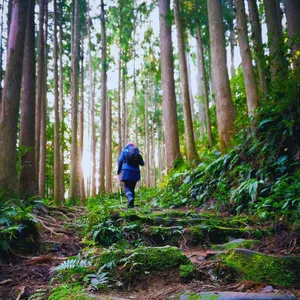
That’s probably one reason slow travel has quietly become one of the most appealing lifestyle trends among modern travelers. Instead of squeezing ten places into one week, people are now choosing to stay longer, move slower, and experience destinations more deeply.
And honestly, the shift feels less like a tourism trend and more like a reaction against overstimulated modern life itself.
Naturally, many people are now asking: Slow travel lifestyle travelers ke beech itna popular kyun ho raha hai?
The answer goes much deeper than simple vacation preferences.
People Are Tired of Hyper-Scheduled Living
Modern life already feels heavily optimized.
Work schedules, notifications, deadlines, meetings, social media updates, productivity culture — everything pushes people toward constant movement and efficiency. Traditional tourism eventually started reflecting the same energy.
Travel became performative.
Instead of actually experiencing places calmly, many travelers focused more on maximizing content, itinerary density, or “value for money.” Ironically, this often reduced emotional connection with destinations entirely.
Slow travel pushes against that mindset.
Instead of rushing through five cities in a week, travelers spend meaningful time in one place. They walk more, observe more, and stop treating travel like a competition.
Local Experiences Feel More Authentic
One major reason people enjoy slow travel is because destinations begin feeling more human once you stop rushing through them.
When travelers stay longer, they naturally:
- Discover smaller cafés
- Notice local routines
- Build conversations
- Explore quiet neighborhoods
- Learn cultural habits
- Experience ordinary daily life
These smaller moments often become more memorable than famous tourist attractions themselves.
Anyone can take a photo at a landmark. But sitting at the same small bakery every morning for a week creates a completely different emotional relationship with a place.
That depth is difficult to experience during fast-paced tourism.
Remote Work Changed Travel Habits
The rise of remote work accelerated slow travel dramatically.
Many people no longer travel only during short annual vacations. Instead, they temporarily live from different cities or countries while continuing to work online.
This created entirely new travel behavior:
- Monthly apartment rentals
- Long-term stays
- Work-friendly cafés
- Digital nomad communities
- Flexible itineraries
People increasingly blend travel with everyday life instead of treating it like a separate high-pressure activity.
And honestly, Slow travel lifestyle travelers ke beech itna popular kyun ho raha hai? becomes much easier to understand once you realize modern travelers increasingly value emotional comfort over sightseeing quantity.
The goal shifted from “seeing everything” to “feeling connected.”
Social Media Accidentally Helped and Hurt Tourism
Platforms like Instagram and TikTok played an interesting double role here.
On one hand, social media intensified fast tourism culture. Travelers chased famous photo spots, crowded “Instagrammable” cafés, and viral destinations constantly.
But eventually many people became exhausted by that performative cycle too.
Slow travel emerged partly as a reaction against content-driven tourism. Travelers started craving experiences that felt personal rather than optimized for public visibility.
Ironically, the internet helped create both the problem and the solution.
Slow Travel Often Feels More Sustainable
There’s also a growing environmental conversation around tourism.
Frequent flights, overcrowded destinations, waste generation, and short-term mass tourism increasingly strain local ecosystems and communities. Slow travel tends to reduce some of that pressure naturally because travelers:
- Stay longer
- Travel less frequently
- Use local businesses more
- Rely less on rushed transportation
- Engage more responsibly with destinations
Now, slow travel alone doesn’t magically solve sustainability issues. But compared to hyper-fast tourism cycles, it often creates lower environmental intensity overall.
That matters increasingly to younger travelers conscious about climate impact.
Mental Health Plays a Big Role Too
One thing people rarely discuss enough is how emotionally calming slower travel can feel.
When you stop chasing schedules constantly, your nervous system changes subtly. Days feel less fragmented. There’s more room for spontaneity, boredom, observation, and rest.
You notice simple things again:
- Morning light in unfamiliar streets
- Local conversations
- Weather shifts
- Food rituals
- Everyday silence
And honestly, those ordinary moments often become the parts people remember longest.
Modern travelers increasingly seek emotional reset, not just entertainment.
Local Economies Benefit Differently
Slow travelers also tend to support local economies more directly.
Instead of spending heavily inside tourist-heavy commercial zones only, longer-stay travelers often use:
- Local grocery stores
- Independent cafés
- Family-owned accommodations
- Community services
- Public transportation
This creates more distributed economic impact compared to short-term tourism concentrated around major attractions.
Many smaller towns and less-commercialized destinations now actively encourage slow travel models because they attract respectful long-term visitors instead of overwhelming crowds.
Slow Travel Isn’t Always Cheap or Easy
Of course, slow travel comes with practical challenges too.
Longer stays require:
- Flexible schedules
- Financial planning
- Remote work compatibility
- Visa considerations
- Time freedom
Not everyone can easily adopt that lifestyle.
There’s also the reality that social media sometimes romanticizes slow travel heavily while ignoring logistical stress, loneliness, unstable routines, or cultural fatigue that long-term travelers occasionally experience.
So while the lifestyle looks peaceful online, real experiences remain more nuanced.
The Idea of “Enough” Is Changing
Perhaps the deepest reason slow travel resonates is because it challenges modern obsession with maximizing everything.
Travel no longer needs to become:
- More destinations
- More photos
- More activity
- More consumption
Sometimes fewer experiences create stronger memories.
And honestly, that idea feels surprisingly radical today.
Final Thoughts
Slow travel became popular because modern people are increasingly exhausted by speed — not only in tourism, but in life itself. Travelers now crave experiences that feel emotionally grounding, culturally immersive, and less performative.
Instead of collecting destinations like achievements, many people simply want to feel present somewhere again.
That shift changes how travel gets experienced entirely.
Will fast tourism disappear? Probably not. Many travelers still enjoy packed itineraries and energetic exploration styles. But slow travel offers an alternative rhythm that feels deeply appealing in an overstimulated world.
And maybe that’s the real reason the movement keeps growing: people aren’t only trying to see new places anymore.
They’re trying to slow themselves down enough to actually experience them.