Fashion has always evolved alongside technology. Sewing machines changed tailoring. Industrial manufacturing transformed production speed. Digital software reshaped textile design. Social media completely altered trend cycles.
Now artificial intelligence is entering the conversation — and not quietly.
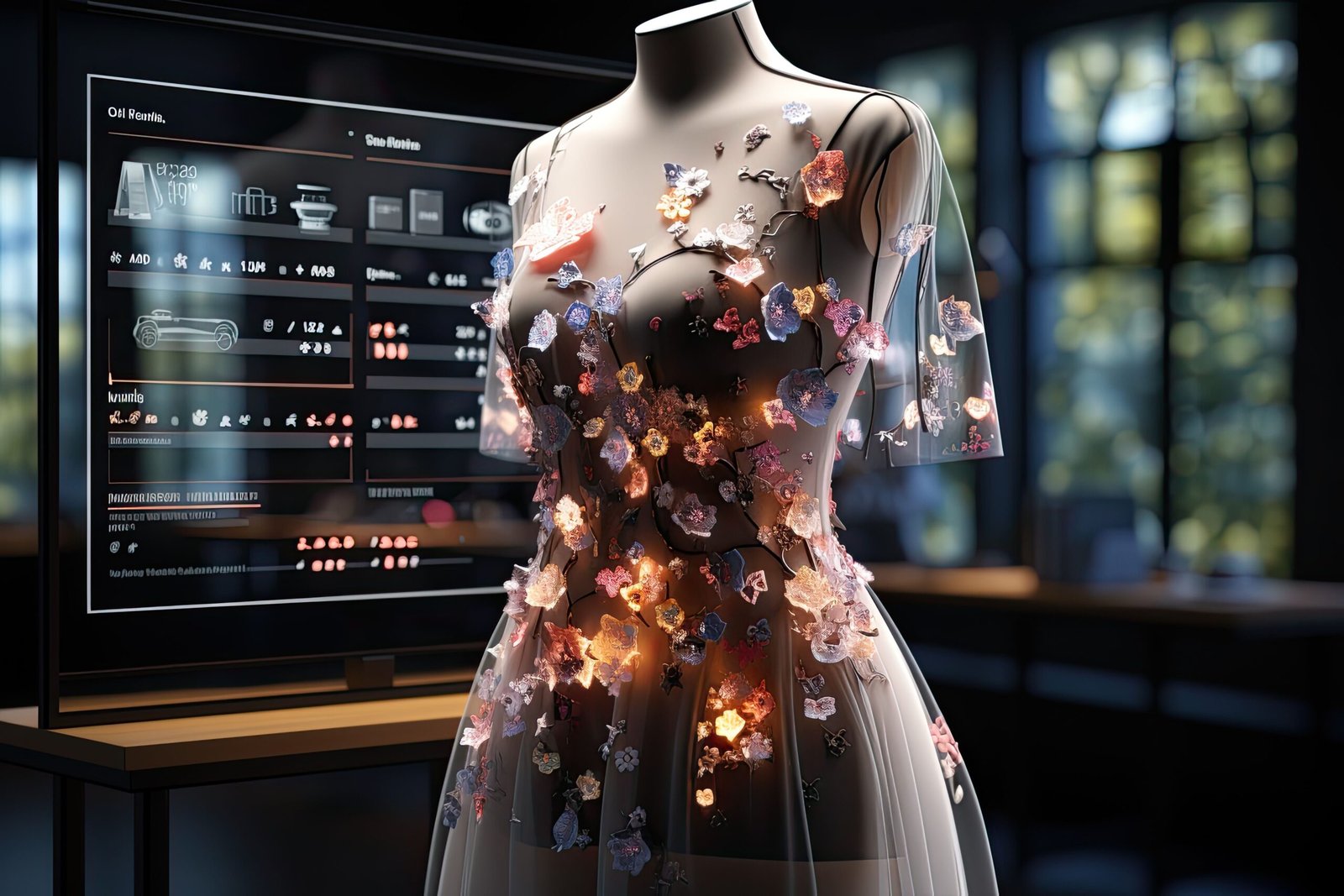
Designers, fashion startups, global brands, and even independent creators are increasingly using AI tools to generate clothing concepts, experiment with patterns, predict trends, and visualize collections before a single fabric sample gets stitched. Some people see this as exciting creative evolution. Others see it as the beginning of something slightly unsettling.
Naturally, one big question keeps surfacing inside the industry: AI-generated clothing designs fashion industry ko kaise disrupt kar rahe hain?
The answer touches creativity, business, consumer behavior, and even the emotional meaning of design itself.
Fashion Trends Move Faster Than Ever
One reason AI design tools gained attention so quickly is because fashion cycles became incredibly fast online.
Earlier, trends moved seasonally. Now they change almost weekly through platforms like Instagram, TikTok, and fashion influencer culture. Brands constantly chase fresh aesthetics because internet audiences lose interest quickly.
That speed creates pressure.
Design teams must now produce more ideas, more variations, and more visual experimentation in shorter timeframes. AI tools help by generating large volumes of concepts rapidly.
Instead of sketching every single variation manually, designers can explore dozens of silhouettes, textures, color combinations, or mood directions within minutes.
That doesn’t eliminate creativity entirely — but it definitely accelerates the early ideation process.
AI Helps Designers Experiment More Freely
Interestingly, many designers using AI don’t treat it as a replacement for human creativity. They treat it more like a brainstorming partner.
A designer might input themes like:
- Futuristic streetwear
- Sustainable desert aesthetics
- Traditional embroidery with cyberpunk elements
- Oversized monochrome layering
…and AI systems generate unexpected visual interpretations almost instantly.
Some outputs look unusable. Others feel surprisingly inspiring.
That unpredictability is part of the appeal. AI sometimes combines influences humans wouldn’t naturally think to merge together.
And honestly, fashion has always thrived on unusual combinations.
Smaller Brands Now Have More Creative Access
Large fashion houses traditionally had enormous advantages because they could afford bigger design teams, forecasting agencies, textile researchers, and expensive concept development processes.
AI tools reduce some of those barriers.
Now independent creators and smaller startups can visualize professional-looking collections without massive budgets. Someone working from a small studio can experiment digitally before investing heavily in physical production.
That accessibility matters because fashion is becoming increasingly creator-driven online.
Young designers who previously struggled to enter the industry now have tools that help them compete visually at a much larger scale.
Sustainability Could Benefit Too
One underrated advantage of AI-generated design workflows is waste reduction.
Traditional fashion development often involves:
- Multiple physical prototypes
- Fabric testing
- Sample wastage
- Failed production runs
AI-assisted visualization allows brands to test ideas digitally first before producing actual garments.
That may reduce unnecessary manufacturing and improve decision-making efficiency.
Considering how environmentally damaging fast fashion already became globally, any reduction in excess sampling or overproduction could matter significantly long term.
Trend Forecasting Is Becoming Data-Driven
Fashion used to rely heavily on intuition, cultural observation, and creative instinct. Those things still matter, but AI introduced something new: massive-scale pattern analysis.
Modern systems analyze:
- Social media trends
- Consumer behavior
- Color popularity
- Search data
- Shopping habits
- Cultural aesthetics
This allows brands to predict emerging trends faster than before.
That’s partly why AI-generated clothing designs fashion industry ko kaise disrupt kar rahe hain? became such an important industry discussion recently. AI doesn’t only generate visuals — it increasingly influences what gets designed in the first place.
And that changes the creative process fundamentally.
The Risk of Fashion Becoming Too Similar
Of course, there’s another side to this technology too.
If too many brands rely heavily on the same AI trend analysis systems, fashion risks becoming algorithmically repetitive. Everyone may begin chasing similar aesthetics because the data points push creators toward comparable conclusions.
Fashion becomes interesting partly because of human unpredictability.
Some of the most iconic styles in history emerged from rebellion, personal emotion, subcultures, accidents, or creative irrationality — things algorithms don’t fully understand naturally.
So while AI improves efficiency, overdependence could potentially flatten originality if brands become too data-obsessed.
Human Designers Still Bring Emotional Context
This is important.
Fashion isn’t only visual design. It’s storytelling, identity, emotion, culture, rebellion, memory, and social expression all mixed together. Human designers draw inspiration from lived experiences, emotions, history, politics, music, heartbreak, travel, and personal perspective.
AI systems generate patterns based on existing information. They don’t genuinely “feel” culture the way humans do.
That emotional depth still matters enormously in fashion.
A technically impressive AI-generated outfit may still feel emotionally empty compared to a design rooted in authentic human experience.
Consumers Are Curious but Slightly Divided
Interestingly, audiences seem both fascinated and uncomfortable with AI-designed fashion.
Some people love the futuristic creativity and surreal aesthetics AI can produce. Others worry about originality, creative job displacement, or fashion becoming overly artificial.
And honestly, both reactions make sense.
Technology always disrupts creative industries in emotionally complicated ways.
Photography once threatened painting. Digital editing changed graphic design. Streaming transformed music consumption. Fashion is now entering its own AI transition phase.
Fast Fashion May Change Dramatically
AI could especially reshape fast fashion because speed matters enormously there.
Brands capable of generating trend-responsive designs almost instantly gain serious commercial advantages. Designs can move from concept to production faster than ever before.
This may increase personalization too.
In the future, some brands may allow customers to co-create clothing designs dynamically using AI interfaces before purchasing customized pieces.
That possibility feels futuristic now — but not impossible anymore.
Final Thoughts
AI-generated fashion design is disrupting the industry because it changes how ideas are created, tested, predicted, and produced. It speeds up experimentation, lowers creative barriers, improves digital visualization, and introduces new forms of design collaboration between humans and machines.
But fashion remains deeply human at its core.
People don’t wear clothes only for functionality. They wear them for identity, emotion, confidence, belonging, rebellion, nostalgia, and self-expression. AI can assist those creative processes, but it still cannot fully replace the emotional intuition behind truly meaningful design.
At least not yet.
For now, the future of fashion probably won’t belong entirely to humans or AI alone — but to the increasingly strange and fascinating collaboration between both.