Some building problems are loud. A cracked wall running across a lobby. Water dripping through a ceiling tile during a meeting. A machine that keeps failing even after repairs. Others are quiet, almost shy at first, like a door that no longer closes properly or a faint stain spreading near the baseboard. Either way, buildings have a habit of speaking before they break. The trouble is, not everyone knows how to listen.
In construction, small signs can point to much bigger stories. A leak may not simply be a leak. A settlement crack may not be “normal movement.” And a system breakdown might not be caused by age alone. That is why careful investigation matters so much, especially when owners, contractors, insurers, engineers, and legal teams are trying to understand what really happened.
Looking Beyond the Obvious Damage
When people first notice damage, the natural reaction is to focus on what they can see. A warped floor. Loose tiles. Mold near a window. But visible damage is often the final chapter, not the beginning. The real cause may be hidden behind drywall, under concrete, above ceiling panels, or buried in project records.
This is where experienced analysis becomes valuable. Investigators look at installation methods, design documents, materials used, weather exposure, maintenance history, workmanship, and sometimes even the timing of complaints. A good review does not jump to conclusions. It follows the clues, because construction failures rarely happen for one simple reason.
For example, water intrusion around a window could come from poor flashing, incorrect sealant, product failure, structural movement, or a combination of all these things. Blaming the last person who touched the wall might be easy, but it may not be accurate. And in disputes, accuracy is everything.
Why Defects Are More Than Just Mistakes
Every project has pressure. Deadlines get tight, budgets shift, crews change, and drawings may be revised several times before the final walk-through. Most of the time, the work still gets done well. But when standards slip or coordination breaks down, construction defects can show up months or even years later.
These defects may involve foundations, roofing, framing, waterproofing, electrical systems, mechanical systems, finishes, or exterior cladding. Some are cosmetic, while others affect safety, performance, or long-term value. The difficult part is separating ordinary wear from improper design, poor workmanship, or material failure.
That separation matters because repairs can be expensive. So can delays, business interruption, legal claims, and loss of trust. A clear technical opinion helps everyone understand whether the issue came from design choices, field conditions, missed inspections, lack of maintenance, or something else entirely.
Water Problems Usually Have a Long Trail
Water is sneaky. It travels through gaps, follows framing members, runs along pipes, and often appears far away from where it entered. By the time someone notices a stain or a musty smell, the water may have already moved through several hidden areas.
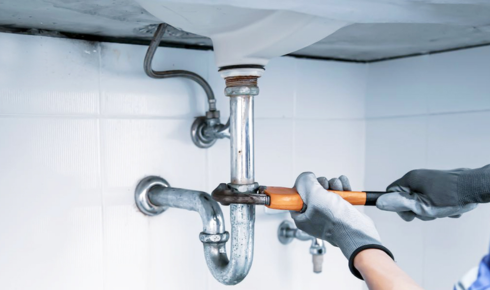
Problems involving plumbing & piping are especially tricky because they can include leaks, pressure failures, corrosion, improper slope, poor connections, defective fittings, or installation that simply does not match the design intent. Sometimes the pipe itself is blamed, when the real issue is movement, vibration, water chemistry, or poor support.
A proper investigation may include moisture mapping, pressure testing, review of installation records, inspection of pipe materials, and evaluation of surrounding building conditions. It is not glamorous work. Honestly, much of it is slow and methodical. But that is exactly why it works. Rushed assumptions can lead to the wrong repairs, and wrong repairs usually mean the problem comes back.
Mechanical Failures Need Practical Eyes
In commercial, industrial, and institutional properties, building performance often depends on systems most people never think about until they stop working. Pumps, boilers, chillers, compressors, lifts, generators, motors, and process systems all have their own life cycles and maintenance needs.
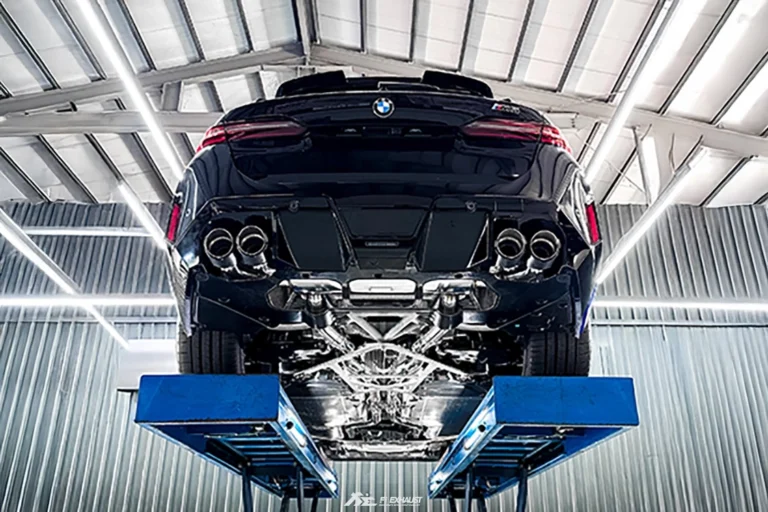
Failures involving equipment & machinery may come from improper installation, overload, lack of maintenance, defective parts, misalignment, vibration, electrical issues, or using the wrong equipment for the job. A machine can fail because it was poorly designed, badly installed, or simply asked to do more than it was built for.
The best evaluations combine technical knowledge with practical field experience. Manuals and specifications matter, of course, but so does understanding how real job sites operate. Was the equipment commissioned correctly? Were service logs maintained? Were warning signs ignored? Did surrounding conditions contribute to the failure? These questions often reveal more than the damaged component itself.
Documentation Can Change the Whole Story
Photos, drawings, emails, inspection notes, change orders, maintenance logs, test results, and repair invoices can all become important. People sometimes underestimate paperwork, but in construction disputes, documents help rebuild the timeline.
A photo taken before drywall installation may show missing flashing. A maintenance log may prove that a system was serviced regularly. A change order may explain why a material was substituted. Even a simple email can clarify who knew what, and when.
Good documentation does not replace technical judgment, but it supports it. It gives the investigation a backbone. Without it, everyone is relying too much on memory, and memory can be surprisingly generous or unfair depending on who is telling the story.
The Value of an Independent View
When money, reputation, and responsibility are on the line, opinions can get emotional. Owners feel frustrated. Contractors feel blamed. Insurers want clarity. Lawyers need facts they can actually use. An independent technical review helps lower the temperature.
The goal is not to make the loudest argument. It is to explain the condition clearly, identify likely causes, and support conclusions with evidence. Sometimes that means confirming a serious defect. Sometimes it means showing that the damage was caused by normal aging, poor maintenance, or outside conditions. Either way, the value is in the honesty of the findings.
Fixing the Right Problem First
The most expensive repair is often the one that fixes the wrong thing. Replacing stained drywall without addressing the leak is not a repair, it is decoration. Swapping out equipment without understanding why it failed can turn into a cycle of repeated breakdowns. Patching cracks without reviewing movement may only hide the warning sign.
That is why careful diagnosis should come before major repairs. It saves time, reduces waste, and gives everyone a better chance of resolving the issue properly. In many cases, the investigation also helps prevent similar problems on future projects.
Buildings are complicated, but they are not mysterious when approached with patience. They leave evidence. They show patterns. They tell the truth in their own stubborn way. The real skill is paying attention early enough, and carefully enough, to hear what they are saying.