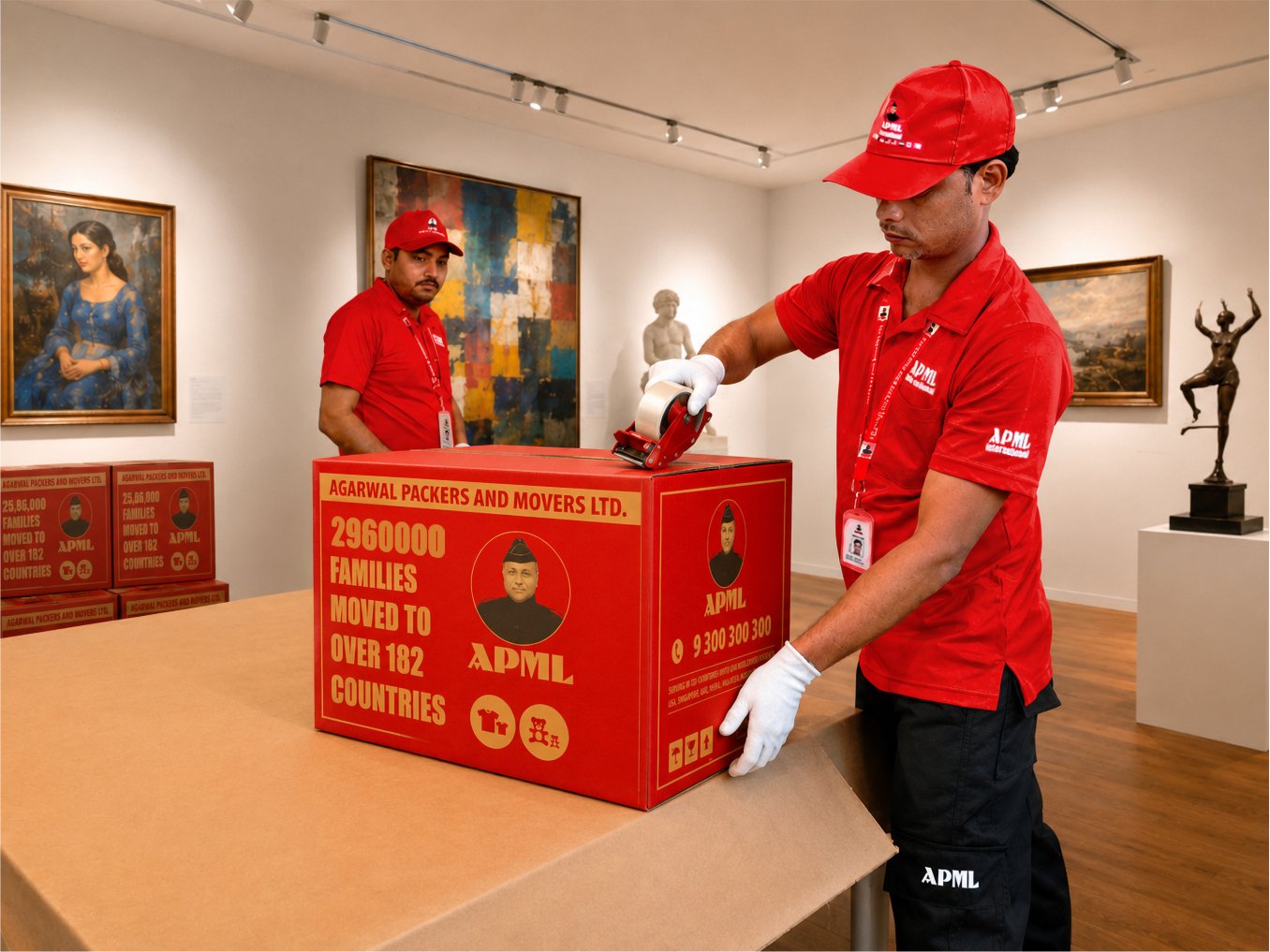
I’ve moved houses four times in my life, and every single time I swore I’d never do it again. Then life happened, a new job or a bigger flat or a landlord with other ideas, and there I was again, staring at a pile of cardboard boxes at midnight, wondering why I own so many coffee mugs.
Delhi makes it trickier. The traffic, the narrow lanes in places like Lajpat Nagar or Paharganj, the societies that only allow trucks after 10 a.m., the lift that’s “under maintenance” for six months. Moving here isn’t just carrying stuff from A to B. It’s a small logistics operation, and honestly, most of us aren’t trained for it.
So let’s talk about how to actually get through it.
Start earlier than you think you need to
Everyone says “start packing two weeks ahead,” and everyone ignores it. Then they’re taping boxes at 2 a.m. the night before. I’ve been that person. Don’t be that person.
Even if you hire help, you still need to sort out what’s coming along. Go room by room. Be a little ruthless. That kurta you haven’t worn since 2019? That broken table fan “you’ll fix someday”? Let them go. Fewer things means a smaller truck, fewer boxes, and a lower bill. It also feels weirdly good.
Donate what’s usable. There are plenty of NGOs in Delhi that’ll pick up clothes, books, even old furniture if you call ahead.
Why hiring professionals is usually worth it
Some people try the DIY route, borrowing a cousin’s pickup, roping in friends with the promise of biryani. It can work for a studio flat. For anything bigger, it gets messy fast. Someone drops a glass table, someone else strains their back, and suddenly the biryani doesn’t feel like enough compensation.
A good moving company brings trained hands, proper packing material, and a truck that’s actually the right size. If you’re hunting for the Best Packers and Movers in Delhi, don’t just go by whoever shows up first on Google or has the shiniest website. Dig a little. Look at what real customers said about delivery timing, damage claims, and how the team behaved when things went wrong, because something always goes a little wrong.
A few things I’d check before saying yes:
Ask for a written quote, not a number thrown over the phone. Ask what’s included, packing material, loading, unloading, unpacking, insurance. Hidden charges are the most common complaint people have, and they usually show up on moving day when you’ve got no leverage.
Also ask about transit insurance. It’s not glamorous, but if your TV cracks, you’ll be glad you asked.
The price thing nobody likes to talk about
Cheapest isn’t best. I know, everyone says that, but it’s true in moving more than most places. A suspiciously low quote often means corners cut somewhere, thin packing material, an overloaded truck, subcontracted labour you never met.
Get three quotes. Compare them honestly. If one is half the others, ask why. A decent company will explain; a shady one gets defensive.
Typical costs in Delhi depend on distance, the amount of stuff, floor level, and whether there’s a lift. A 1BHK local shift might run you a few thousand rupees to maybe ten or twelve thousand, while a full 3BHK or an intercity move climbs a lot higher. Season matters too. End of month, and especially the summer rush and the school-admission season, push prices up. If you’ve got any flexibility, mid-month weekdays are gentler on the wallet.
Pack smart, label like a maniac
Even when a crew is packing for you, you’ll want to keep a “first night” box. Phone chargers, a change of clothes, toiletries, a kettle, a couple of plates, medicines, important documents. Carry it yourself, don’t let it go in the truck. You’ll thank me at 10 p.m. when you’re exhausted and can’t find the bedsheets.
Label everything by room, and add one line about contents. “Kitchen – glasses, fragile” beats “misc” every time. If you’re feeling fancy, color-code with tape. My sister did that on her last move and unpacking took half the time.
Take photos of your electronics and how the cables are connected before you unplug them. Trust me on this one. Nobody remembers how the TV, set-top box and router were wired.
Dealing with society rules and the Delhi factor
This is the part first-timers forget. Many housing societies need a prior entry slip or a no-objection letter, and some restrict moving hours. Talk to your RWA or building manager a few days before. If you’re moving into a new place, check the same there. Nothing is more stressful than a loaded truck parked outside a gate that won’t open.
If you’re searching for reliable Movers and Packers Delhi residents actually recommend, ask neighbours, colleagues, or local community groups. A friend’s word-of-mouth experience beats ten glossy testimonials, honestly. And ask the company whether they’ve worked in your specific area before; they’ll know the parking mess, the tight turns, the timing quirks.
On the day itself
Be there. Seriously. Even if you’ve paid for everything, stay present, or leave a trusted person in charge. Do a quick inventory as things get loaded, and again when they’re unloaded. Keep valuables, jewellery, cash, laptops, passports, with you, not in the truck.
Tip the crew if they did a decent job. These folks carry your whole life up three flights of stairs in the heat. A little appreciation goes a long way.
And breathe. Something will get delayed, a box will turn up in the wrong room, a lamp shade might get dented. It’s okay. Moving is chaos by nature.
A last thought
The thing I’ve learned after all these moves is that the stuff matters less than you think, and the planning matters more. Spend a little time choosing the right people, give yourself breathing room, and don’t be afraid to ask annoying questions beforehand.
Then, when the last box is open and you finally sit down in your new space with a cup of chai in a mug you probably didn’t need to keep, it’ll feel like home. Eventually. Give it a week.