You don’t really think about water when everything is working as it should. You fill a glass, rinse the vegetables for dinner, run the washing machine, and carry on with your day. It’s only when something feels different that water suddenly gets your attention. Perhaps the shower leaves white marks on the glass, the kitchen tap has an odd taste, or your favourite drinking glass looks cloudy even after a thorough wash. These little frustrations can make you wonder whether your home’s water needs some attention.
Improving water quality doesn’t have to mean buying the biggest system available or changing every pipe in the house. It starts with understanding what’s in your water and deciding which issues actually matter. With a little research and a sensible plan, you can find a solution that fits your household without turning a straightforward home improvement into an expensive headache.
Start With the Water, Not the Equipment
Water quality varies from one location to another. Local geology can contribute to hardness, municipal treatment can affect taste, and household plumbing may influence what eventually comes out of a tap. Homes using private wells face additional considerations because groundwater conditions can change with rainfall, nearby land use, and other environmental factors.
You may notice clues before you know the cause. White deposits around faucets often suggest mineral buildup, while reddish stains can be associated with iron. A strong smell or an unusual taste can have several explanations, though, and neither appearance nor taste alone can establish whether drinking water is safe.
That’s where testing becomes useful. Depending on the water source and the concerns involved, testing may examine hardness, pH, iron, dissolved solids, bacteria, or particular contaminants. A private-well owner might need a different testing plan from someone connected to a municipal supply. If you already have a recent water quality report, keep it handy when discussing treatment options.
The point is simple: understand the problem before spending money on a solution. A filter designed for sediment won’t necessarily remove dissolved substances, and a softener isn’t intended to address every drinking-water concern.
When Treating Water Throughout the Home Makes Sense
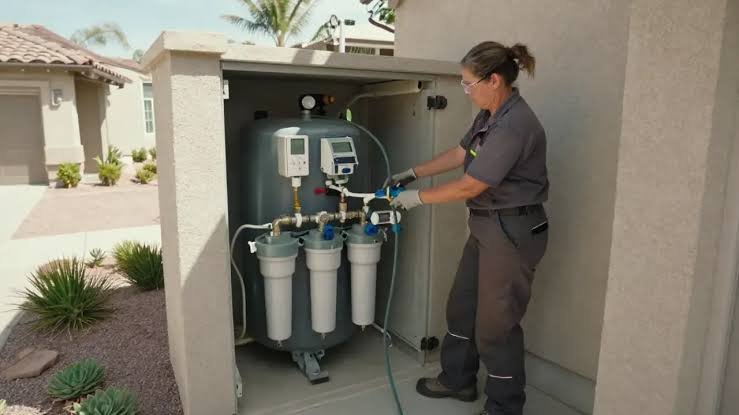
Some water issues affect just one tap, while others show up in the kitchen, bathroom, laundry room, and anywhere else water is used. If sediment appears at several fixtures or the incoming water needs treatment for a particular characteristic, a system installed at the main water entry point may be worth considering.
A properly selected whole-house filtration system treats incoming water before it reaches household fixtures. Depending on its design, it may use sediment filters, carbon media, or other treatment technologies to address specific water characteristics. The choice should be based on test results rather than a long list of features that may not be relevant to your home.
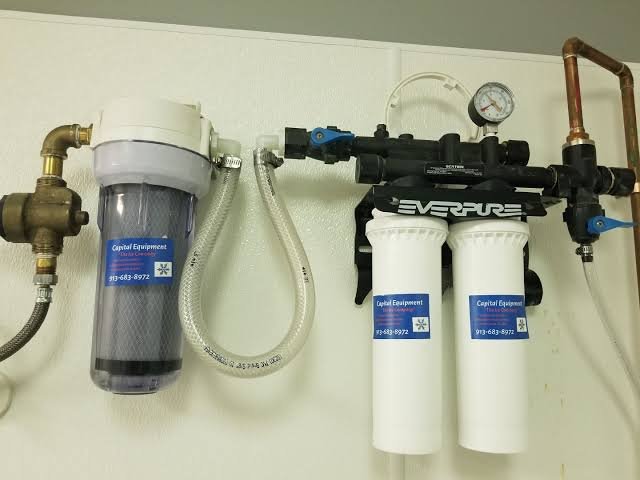
For instance, a sediment filter can capture suspended particles, while a suitable carbon filter may reduce certain tastes and odours. If hardness is the main issue, a water softener may be more appropriate. Where a health-related contaminant is present, you need a system specifically designed and verified to reduce that substance.
Household size matters, too. A system should provide enough flow for showers, washing machines, and kitchen taps to operate without frustrating pressure drops. Ask about capacity, installation space, filter replacement intervals, and the cost of ongoing maintenance before making a decision.
Why a Water Test Can Save You Money
It’s tempting to choose equipment based on a neighbour’s recommendation or a product that keeps appearing in online searches. But two homes on the same street can have different plumbing and water conditions. What works well for one family might do very little for another.
Some providers offer free water testing to help homeowners understand basic water characteristics. This can be a convenient starting point if you’re unsure whether hardness, chlorine taste, or another issue deserves attention. Before arranging a test, ask what it measures, whether the results are provided in writing, and whether the sample is analysed by a laboratory or assessed through an introductory screening.
Free screenings can be helpful, but they don’t always provide a complete picture. A quick demonstration may identify certain characteristics while leaving other potential concerns unexamined. If you’re worried about lead, bacteria, nitrates, or another specific contaminant, ask whether appropriate laboratory testing is needed.
A useful report should explain the results clearly enough for you to understand what needs attention. If a provider recommends several pieces of equipment, ask how each one addresses a finding in the report. You shouldn’t have to guess why a particular product is being suggested.
Choosing a Drinking-Water System
Not every household needs to treat every drop of water in the property. Sometimes the main goal is simply to improve the taste of water used for drinking and cooking. In that case, a point-of-use system beneath the kitchen sink may be a practical option.
Carbon filters can reduce certain tastes and odours, while reverse osmosis systems can reduce many dissolved substances when properly selected and maintained. The right choice depends on your water quality, the substances you want to reduce, and the performance of the specific product.
Before buying, check the manufacturer’s specifications and relevant independent certifications. A general claim that a filter “purifies” water isn’t enough to establish what it actually removes. Look for evidence relating to the particular contaminants that matter to your household.
There are practical details to consider as well. Does the system have enough storage capacity for your family? How often do the cartridges need replacing? Will the unit fit beneath your sink without making access to plumbing difficult? These questions may seem small, but they become important once the system is part of everyday life.
Understand Installation and Long-Term Costs
Installation is often where a promising purchase becomes more complicated than expected. The equipment needs adequate space, compatible plumbing connections, and enough access for future maintenance. Some systems are straightforward to install, while others may require plumbing modifications or additional components.
If a company advertises free installation, read the offer carefully before agreeing to purchase. Ask whether labour, fittings, plumbing changes, and removal of old equipment are included. Promotions can differ, and extra work may still involve charges depending on the property and system.
It’s also worth comparing the total cost of ownership rather than focusing only on the initial price. Filters, salt for softeners, replacement membranes, electricity, and servicing can add up over time. A less expensive unit may require frequent cartridge changes, while another system may have a higher initial cost but different maintenance needs.
A trustworthy provider should explain these details clearly and give you time to compare options. If you feel rushed into a purchase, step back and get another estimate. Water treatment is a long-term decision, and understanding the terms now can prevent unpleasant surprises later.
Keep Your System Working as Intended
Once a system is installed, regular care helps maintain its performance. Follow the manufacturer’s replacement schedule, record service dates, and pay attention to changes in water taste, colour, smell, or pressure. If you suspect contamination, arrange appropriate testing and follow guidance from your local health authority or water supplier rather than relying on a treatment device alone.
Good water management isn’t about making the home more complicated. It’s about understanding what you need, choosing suitable equipment, and looking after it properly.
With a little patience, you can move beyond guesswork and make a decision that genuinely improves everyday life. The best system isn’t necessarily the largest or most expensive one. It’s the one that addresses your water concerns, fits your budget, and remains practical to maintain long after installation day.