There’s something reassuring about turning on the kitchen tap and knowing the water in your glass is clean, fresh, and suitable for everyday use. We often take that simple moment for granted. But depending on where you live, your water may contain minerals, chlorine, sediment, metals, or other unwanted substances that affect its taste, smell, or quality.
That’s where reverse osmosis comes into the picture. It has become a popular water treatment method for households that want an extra layer of purification, especially for water used for cooking and drinking. But how does it actually work, and is it the right choice for your home? The answer depends on your water quality, household needs, and what you’re hoping to remove.
What Is Reverse Osmosis?
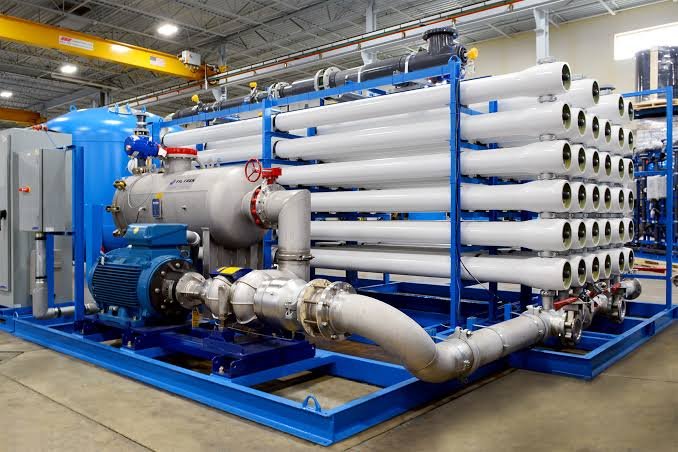
Reverse osmosis is a filtration process that uses pressure to push water through a specialized membrane. The membrane contains extremely small pores, allowing water molecules to pass through while reducing many dissolved impurities and contaminants.
It’s a little like having a very selective gatekeeper for your water. Instead of simply catching visible particles, the process is designed to address substances that ordinary sediment filters may not remove effectively.
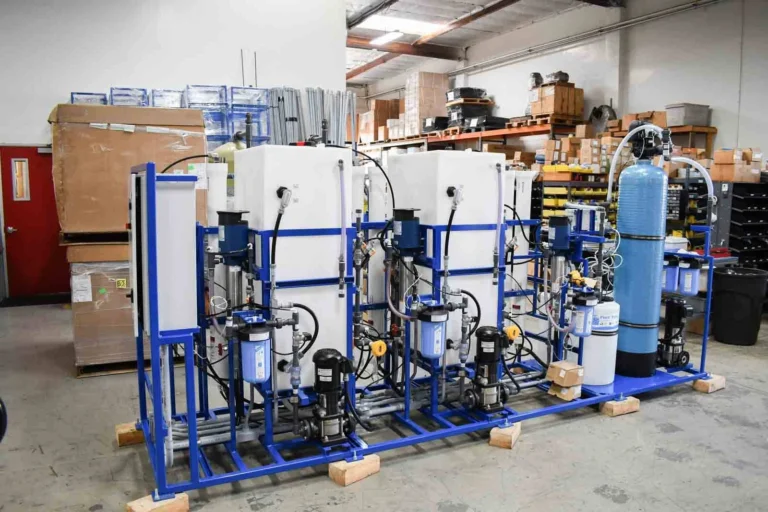
A typical system may use several stages, including a sediment filter, carbon filters, the RO membrane, and sometimes a final polishing filter. Each stage has a different job. Sediment filters can capture particles such as dirt and rust, while carbon filtration helps reduce chlorine and compounds that affect taste and odor.
The RO membrane is the main purification stage.
Why Do People Choose RO Water Treatment?
Water quality varies dramatically from one location to another. Even municipal water that meets safety standards can have characteristics that homeowners don’t particularly like. Private well water can have its own challenges, including hardness, iron, sulfur odors, and other naturally occurring substances.
For many households, reverse osmosis systems offer a practical way to improve the quality of water at a specific point of use, usually near the kitchen sink.
One of the biggest advantages is the ability to reduce a broad range of dissolved substances. Depending on the system and membrane, RO treatment can help reduce certain dissolved salts, heavy metals, and other contaminants. It can also noticeably improve the taste of water, which sounds like a small thing until you find yourself drinking more water simply because it tastes better.
And yes, that can make a difference.
Is RO the Same as a Whole-House Water Filter?
Not quite. This is one of the most common misunderstandings.
Most residential RO units are point-of-use systems. They’re installed under a kitchen sink or connected to a dedicated faucet, treating water that you intend to consume or use for food preparation.
A whole-house filtration system, on the other hand, treats water as it enters the home. That can be useful when the goal is to improve water quality throughout the property, including showers, laundry, bathrooms, and appliances.
The two approaches can work together.
For example, a household might use whole-home filtration to address sediment, chlorine, or specific water-quality concerns and then use an RO unit at the kitchen sink for an additional level of purification. There’s no one-size-fits-all answer. Water testing should come first.
What Can Reverse Osmosis Remove?
The exact performance depends on the membrane, system design, water pressure, and the contaminants present. Generally, RO can reduce many dissolved solids and certain contaminants, including some heavy metals and salts.
However, it isn’t a magic box that solves every water problem.
For instance, RO isn’t necessarily the best standalone solution for every issue involving bacteria, high sediment levels, hardness, or certain gases. Pretreatment may be necessary to protect the membrane and keep the system operating properly.
That’s why professional water testing is so useful. Rather than buying a system based on a vague idea that “filtered water is better,” testing can show what’s actually in your water.
Once you know the problem, choosing the treatment becomes much easier.
The Difference You May Notice in Everyday Life
For most homeowners, the benefits become obvious in fairly ordinary ways.
A glass of drinking water may taste cleaner and have less of the chemical or mineral flavor that some people notice in untreated tap water. Coffee and tea can taste different too, since water makes up most of what’s in the cup. Cooking is another area where water quality quietly matters.
There are practical benefits beyond taste. Cleaner water can make it easier to feel confident about what you’re giving your family, particularly when local water reports or independent testing identify contaminants that concern you.
Still, it’s worth keeping expectations realistic. Water treatment isn’t about making water “perfect.” It’s about treating the specific issues that matter for your household.
What About Water Waste?
One criticism of traditional RO technology is that it can send some water down the drain during the purification process. The exact amount varies by system and operating conditions.
Newer, more efficient designs can reduce wastewater compared with older systems, so efficiency is something worth asking about before purchasing.
Homeowners should also consider filter replacement and membrane maintenance. An RO system isn’t a set-it-and-forget-it appliance. Filters need to be changed according to the manufacturer’s recommendations, and neglected systems may perform poorly or develop hygiene issues.
A little maintenance goes a long way.
How to Choose the Right System
Start with your water, not the product brochure.
If you’re considering an RO system, look at:
- Results from a recent water-quality test
- The contaminants you specifically want to reduce
- Available water pressure
- Household water consumption
- Filter and membrane replacement costs
- System efficiency and wastewater ratio
- Certification and performance claims
- Available installation and maintenance support
It’s also smart to think about where treated water is actually needed. If your primary concern is better water for drinking and cooking, a point-of-use unit may be more practical than investing in an expensive whole-house setup.
On the other hand, if you have several water-quality concerns throughout the property, a broader treatment strategy may make more sense.
Don’t Skip Professional Installation and Maintenance
Installation seems straightforward, and sometimes it is. But plumbing connections, pressure requirements, drainage, storage tanks, and filter configuration all need to be considered.
A poorly installed system can leak or fail to perform as expected. Regular servicing also helps identify worn filters, pressure problems, and other issues before they become bigger headaches.
A qualified water treatment professional can test your water, explain the available options, and recommend equipment based on actual conditions rather than guesswork.
That’s often money well spent.
A Cleaner Approach to Everyday Water
Good water treatment doesn’t have to be complicated. The smartest approach is usually the simplest one: understand your water, identify the problem, then choose technology that addresses it.
RO can be an excellent option for households looking to improve water quality at the kitchen tap, particularly when dissolved contaminants are a concern. But it works best as part of a thoughtful treatment plan rather than as a universal cure.
After all, clean water is one of those things you shouldn’t have to think about every time you fill a glass. With the right system, proper installation, and a little routine maintenance, you can make water quality one less thing to worry about — and get back to the ordinary moments that make a house feel like home.