Clean water is something most of us expect without thinking too hard about it. We turn on the tap, fill a bottle, make coffee, cook dinner, and carry on with the day. But when water has an unusual taste, odor, or visible buildup, that quiet confidence can disappear pretty quickly.
The good news is that modern water treatment offers several ways to address different water-quality concerns. The trick isn’t finding the most complicated system available. It’s understanding what your water actually needs and choosing technology that matches the problem.
Start With a Water Test
Before buying filtration equipment, it helps to know what’s in the water. A water test can provide information about hardness, pH, dissolved solids, sediment, and other characteristics depending on the testing performed.
This step might seem a little boring, but it can save money. Without testing, homeowners sometimes buy equipment based on assumptions or online recommendations that don’t apply to their water.
Water chemistry varies from one property to another. Even nearby homes can have different plumbing conditions or water sources. Testing gives you a starting point that isn’t based on guesswork.
Understanding Reverse Osmosis
For homeowners who want highly treated drinking water at a kitchen faucet, reverse osmosis water filters are one option worth considering.
Reverse osmosis uses a semipermeable membrane to reduce many dissolved substances from water. Systems commonly combine several filtration stages, with sediment and carbon filters working alongside the RO membrane.
This layered approach is one reason RO systems are popular for drinking and cooking water. They can provide a more refined level of treatment at a specific faucet without necessarily treating every gallon of water used throughout the home.
However, RO systems have maintenance requirements. Filters and membranes need replacement, and system performance depends on factors such as incoming water quality and pressure.
Why UV Treatment Is Different
Not every water concern involves dissolved minerals or chemicals. Some homeowners are concerned about microorganisms, particularly when water comes from a private source.
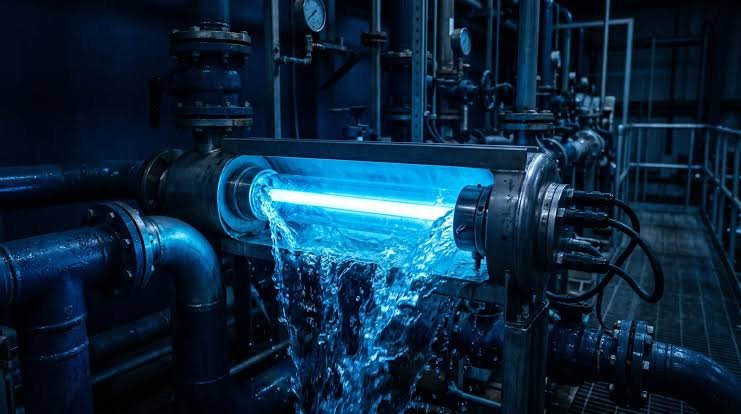
That’s where uv purification can be useful. Ultraviolet systems expose water to UV light as it passes through a treatment chamber. The technology is designed to inactivate certain microorganisms rather than physically filtering them out.
UV treatment doesn’t replace every other type of filtration. It generally doesn’t remove hardness, sediment, or dissolved minerals. Instead, it may become one component of a broader water-treatment system.
The quality of the incoming water also matters. Proper maintenance and appropriate pre-filtration can help a UV system perform as intended.
pH Deserves a Closer Look
pH is another part of water chemistry that homeowners sometimes overlook. It indicates how acidic or alkaline water is and can influence plumbing, taste, and the behavior of other treatment equipment.
If testing reveals a pH concern, specialized treatment may be appropriate. Systems designed for ph balancing & specialty filtration can be selected according to specific water conditions rather than using a generic filter.
Specialty filtration can also address particular contaminants or characteristics that ordinary filters aren’t designed to handle.
The key is knowing what you’re treating. There’s no point in installing specialized equipment if testing doesn’t show a need for it.
One System Doesn’t Have to Do Everything
A common misconception is that homeowners need one magical filter capable of solving every possible water problem. In reality, water treatment often works best when different technologies perform different jobs.
For example, a whole-home filter might address sediment and taste concerns, while a softener handles hardness. An RO system could provide additional treatment for drinking water, and UV may be included where microbiological concerns exist.
That sounds complicated, but it doesn’t have to be. A well-designed system can be surprisingly straightforward once the water problems have been identified.
Don’t Forget Flow Rate
Filtration equipment needs to match the household’s actual water demand. This is especially important for whole-home systems.
Imagine running a shower while someone starts the washing machine and another person turns on a kitchen faucet. If the system can’t handle the required flow, water pressure may suffer.
When evaluating equipment, homeowners should consider peak flow rate, household size, number of bathrooms, and typical daily water consumption.
It’s not the kind of detail that makes for exciting conversation, but it can make a huge difference in real life.
Maintenance Keeps Treatment Working
Even excellent equipment needs regular care. RO filters need replacement. UV lamps and related components have service intervals. Specialty filters may also require periodic media changes or inspection.
Skipping maintenance is one of the easiest ways to undermine a treatment investment.
Set reminders for filter changes and keep track of service dates. If professional maintenance is required, ask about the schedule before purchasing the equipment. Knowing what to expect makes ownership much easier.
Consider Long-Term Costs
The purchase price is only one part of the financial picture. Replacement filters, membranes, electricity, service visits, and other operating costs can add up over time.
A system that costs slightly more initially might be a better value if replacement parts are readily available and maintenance is simple.
Ask questions before buying. How often are filters changed? What do replacements cost? Does the system require electricity? What happens if a component fails?
Those answers can tell you far more than a flashy product description.
Choosing the Right Treatment for Your Home
Modern water filtration offers plenty of choices, which is both helpful and a little overwhelming. Reverse osmosis, UV treatment, pH balancing, specialty filtration, softening, and carbon filtration all have different purposes.
The best approach is to begin with your water rather than the equipment. Test it, identify the concerns, and then choose technology designed for those conditions.
At the end of the day, good water treatment isn’t about having the fanciest system in the neighborhood. It’s about having water that tastes better, feels better, supports your household routines, and gives you confidence every time you turn on the tap.
Keep it practical. Treat what needs treating. Maintain what you install. That’s usually where the best results begin.