Water is one of the few things every household depends on every single day. We drink it, cook with it, bathe in it, wash our clothes, and rely on it to keep countless appliances running smoothly. Yet most of us rarely stop to think about what’s actually in the water flowing through our pipes until something catches our attention.
Maybe it’s the chalky residue around the faucet, an unusual taste in your morning coffee, or the way your skin feels unusually dry after every shower. Sometimes the signs are obvious, while other times they’re so gradual that they become part of everyday life without us even realizing it.
The reality is simple: better water doesn’t happen by accident. It begins with understanding your home’s unique water quality and choosing solutions that match your actual needs rather than relying on guesswork.
Every Home Has a Different Water Profile
People often assume that if they live in the same city, everyone receives identical water. That’s rarely true.
Municipal treatment facilities deliver water that meets safety standards, but factors such as aging pipes, neighborhood infrastructure, groundwater conditions, and naturally occurring minerals all influence what eventually comes out of your tap. Homes using private wells experience even more variation because water quality depends heavily on local geology and seasonal groundwater changes.
That’s why two neighboring homes can have completely different experiences with hard water, iron staining, chlorine taste, or sediment.
Knowing exactly what’s affecting your water makes every decision that follows much easier.
The Small Signs You Shouldn’t Ignore
Water quality issues don’t usually arrive overnight. They appear quietly through everyday inconveniences.
Soap may stop producing a rich lather. Showerheads develop stubborn mineral buildup. Towels feel rough after washing, and dishes emerge from the dishwasher with cloudy spots instead of sparkling clean surfaces.
Coffee, tea, and even home-cooked meals can taste slightly different depending on the minerals present in the water.
These little clues are worth paying attention to because they often indicate conditions that can be improved with the right treatment system.
Testing Comes Before Every Good Solution
One of the biggest mistakes homeowners make is purchasing treatment equipment before understanding what’s actually in their water.
It’s a bit like buying medication before receiving a diagnosis.
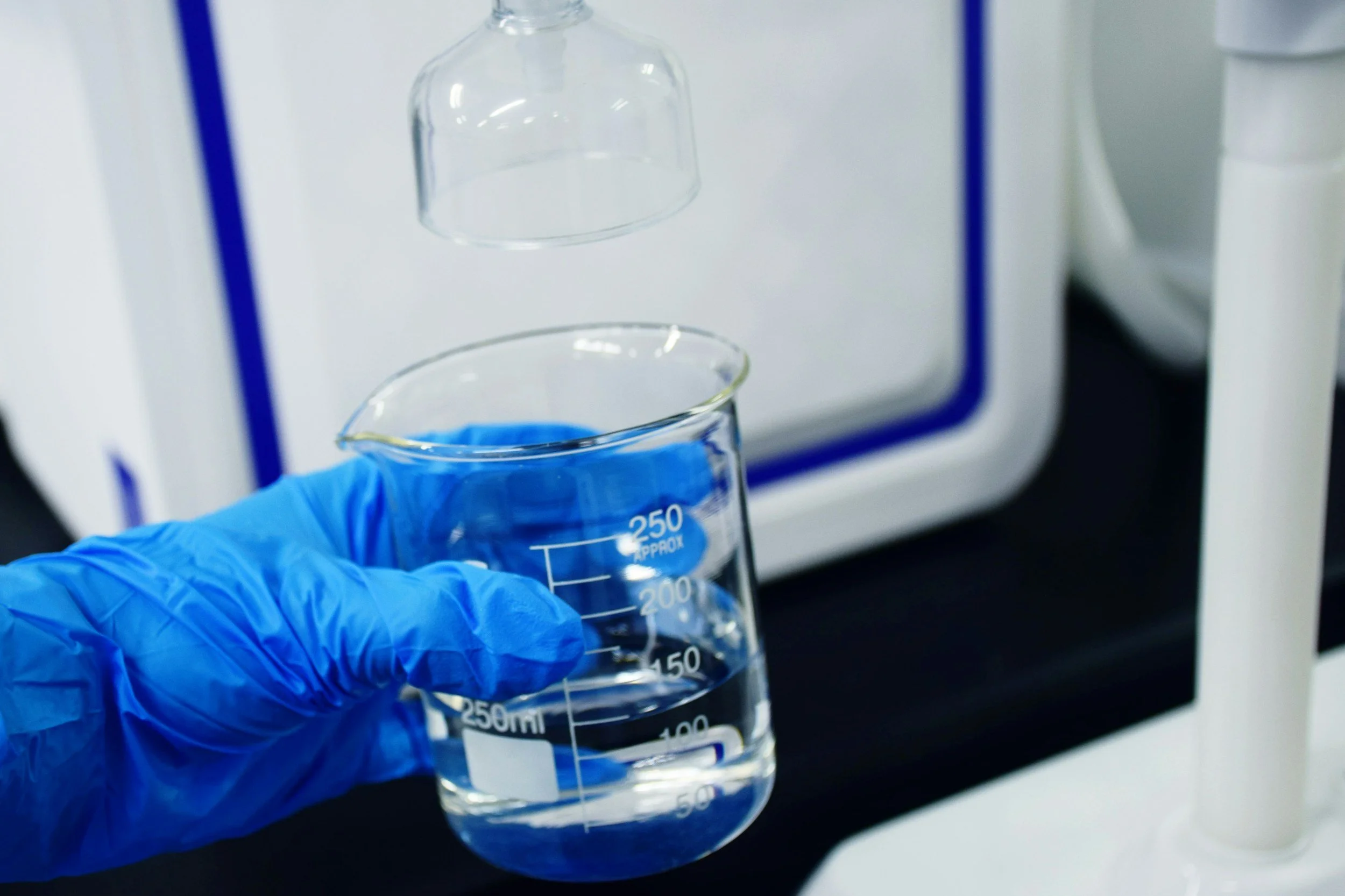
Starting with a free water test provides valuable information about hardness, chlorine, pH levels, sediment, iron, sulfur, manganese, and other naturally occurring substances that affect both comfort and appliance performance.
Rather than guessing, homeowners gain a clear picture of their water quality, making it much easier to invest in solutions that actually solve the problem.
Good decisions almost always begin with good information.
Filtration Isn’t One-Size-Fits-All
Many people hear the word “filtration” and imagine every system performing the same job.
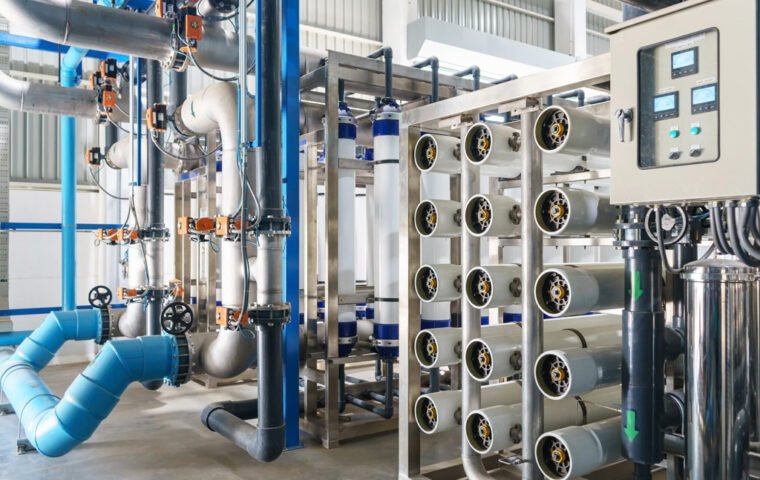
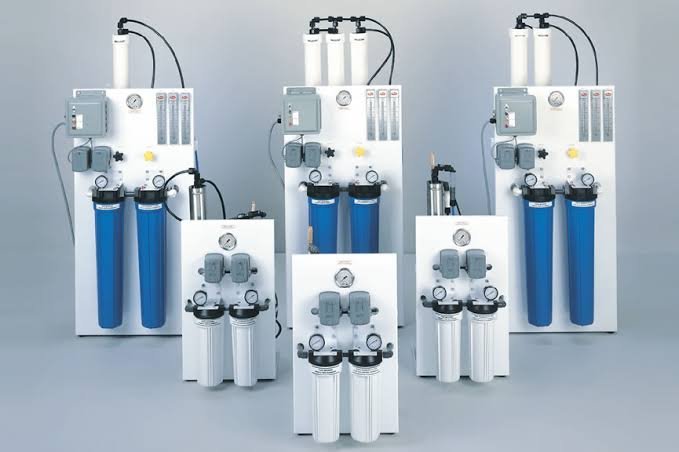
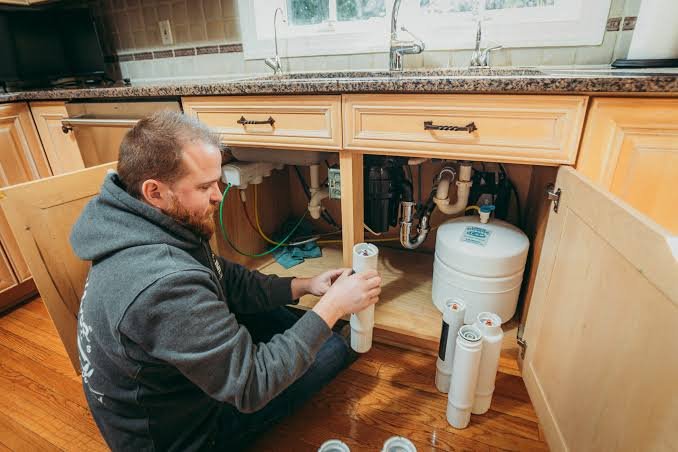
In reality, different technologies address different concerns. Some systems focus on improving taste and odor. Others reduce sediment, chlorine, or specific contaminants. Certain homes require whole-house treatment, while others benefit from point-of-use systems installed beneath the kitchen sink.
Understanding your family’s water filtration needs helps avoid spending money on equipment that doesn’t fully address your household’s priorities.
The right system isn’t necessarily the most expensive one. It’s simply the one designed for your home’s unique water conditions.
Hard Water Deserves Special Attention
Hard water is among the most common household water concerns, yet many homeowners live with it for years before recognizing its impact.
Calcium and magnesium gradually accumulate inside plumbing, water heaters, dishwashers, washing machines, and coffee makers. Soap becomes less effective, cleaning requires more effort, and appliances slowly lose efficiency due to mineral scale.
Addressing your home’s water softening needs helps reduce those minerals before they circulate throughout the plumbing system.
The benefits often extend beyond cleaner fixtures. Many families notice softer laundry, smoother skin after showers, improved appliance performance, and fewer maintenance headaches over time.
Small improvements in water quality frequently create surprisingly noticeable improvements in everyday comfort.
Your Appliances Notice Water Quality Too
Household appliances work hard every day, and the quality of the water running through them directly affects how efficiently they perform.
Water heaters coated with mineral deposits require more energy to heat water. Dishwashers struggle against hard water spots. Washing machines may require additional detergent to produce satisfactory results.
Over time, untreated water can contribute to unnecessary wear and shorter equipment lifespan.
Proper treatment helps protect these investments while reducing maintenance costs that often go unnoticed until something stops working.
Preventive care almost always costs less than replacing expensive appliances.
Choosing Equipment Based on Facts
With so many products available online, it’s tempting to purchase whatever has the highest ratings or biggest discounts.
But effective water treatment isn’t about popularity.
It’s about matching equipment to actual water conditions, household size, daily water usage, and long-term expectations. A system that performs beautifully in one home may be completely unnecessary—or insufficient—for another.
Professional recommendations backed by water testing usually produce the best long-term results because they’re based on evidence rather than assumptions.
That personalized approach often saves both money and frustration.
Routine Maintenance Keeps Systems Performing Well
Even excellent water treatment equipment benefits from occasional maintenance.
Filters eventually need replacement. Treatment media reaches capacity over time, and periodic inspections help ensure everything continues operating efficiently.
Fortunately, most maintenance schedules are straightforward and require relatively little effort.
Keeping systems properly maintained protects the investment while ensuring homeowners continue enjoying reliable water quality year after year.
Like changing the oil in a vehicle, a little routine attention prevents much larger problems later.
Better Water Quietly Improves Everyday Life
One of the most satisfying aspects of improving water quality is that the benefits gradually become part of normal life.
Morning coffee tastes cleaner. Showers feel more refreshing. Glassware sparkles with less effort, and laundry comes out softer than before. Cleaning bathrooms becomes a little easier because mineral buildup no longer returns as quickly.
These aren’t dramatic changes that demand attention every day. Instead, they’re subtle improvements that quietly enhance the way your home feels.
Water touches nearly every moment of daily living, making it one of the most important yet overlooked parts of a comfortable home. By understanding your water through proper testing, identifying the right treatment options, and maintaining quality equipment over time, you’re making an investment that pays off in countless small ways.
In the end, cleaner, better-balanced water isn’t just about plumbing or filtration systems. It’s about creating a healthier, more enjoyable home where everyday routines become simpler, appliances last longer, and every glass of water offers a little more confidence than the one before.