Pouring a glass of water should be a fairly uneventful experience. Yet for many homeowners, it’s accompanied by questions about unusual tastes, floating particles, or that slightly unpleasant smell coming from the tap. Then there are the stubborn mineral stains around the bathroom that never seem to disappear for long.
Water quality can influence household comfort in ways that aren’t always obvious. It affects cleaning routines, cooking, plumbing, and the performance of expensive appliances.
Fortunately, improving your water supply doesn’t necessarily mean making drastic changes. Sometimes, understanding the source of the problem and choosing the right treatment method is enough to make everyday life considerably easier.
Understanding What’s Really in Your Water
Water picks up different substances as it moves through soil, rocks, distribution networks, and household pipes. Some are naturally occurring minerals, while others may include sediment, chemicals, or microorganisms.
Depending on where you live, your water quality concerns might be completely different from those experienced by someone a few miles away.
Homes connected to municipal water supplies may experience chlorine-related tastes or odors. Properties relying on private wells often face additional challenges involving sediment, hardness, or dissolved iron.
The appearance of water doesn’t always provide reliable answers, either. Water that looks perfectly clear may contain unwanted dissolved substances.
Proper testing helps take the mystery out of the situation and gives homeowners a more reliable foundation for choosing treatment equipment.
Why Sediment Shouldn’t Be Overlooked
Have you ever noticed tiny particles settling at the bottom of a glass of tap water? Perhaps you’ve discovered traces of sand or rust while cleaning a faucet. These issues could indicate sediment entering your household water supply.
Effective removal of sediment can help protect plumbing components, prevent certain fixtures from becoming clogged, and improve water clarity. Sediment filters work by capturing suspended particles before they travel further through the household water system.
Different filters are designed to capture different particle sizes. Choosing the correct filtration capacity depends on the amount and type of material present.
Sediment filtration can also serve as an initial treatment stage, helping protect other equipment from premature clogging. It’s a relatively straightforward improvement that can support the performance of a more comprehensive treatment arrangement.
Making Sense of Water Hardness and Conditioning
Hard water is one of those household problems that can slowly become part of everyday life. You get used to scrubbing white deposits from taps, buying extra cleaning products, and regularly descaling the kettle.
The underlying cause is usually an elevated concentration of calcium and magnesium.
Modern home water conditioning systems can help address mineral-related concerns and reduce some of the inconveniences associated with hard water. Traditional water softeners remove hardness minerals through ion exchange, while certain salt-free conditioning technologies aim to reduce scale formation without removing those minerals.
The distinction matters when you’re deciding what to install.
A suitable solution may help protect water heaters, improve cleaning routines, and reduce persistent mineral deposits. However, the effectiveness depends on water conditions and the particular technology being used.
Finding a Treatment Solution That Fits Your Home
There’s something tempting about buying a sophisticated filtration system with every available feature. But more technology doesn’t necessarily translate into better results.
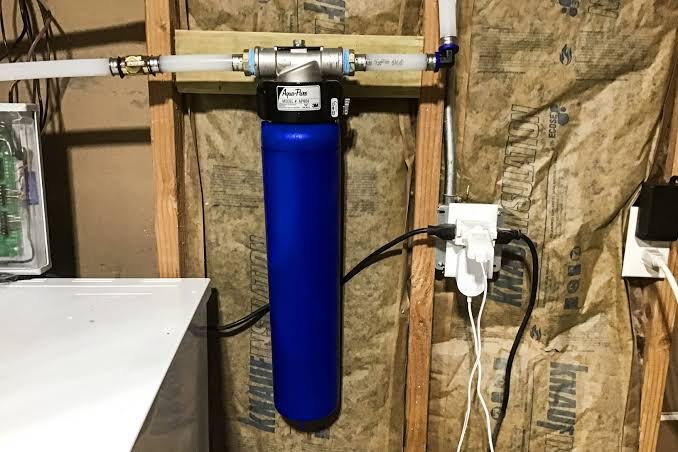
Different water treatment systems for households are designed to address specific water quality concerns. Activated carbon filtration can reduce chlorine and certain unpleasant tastes, while reverse osmosis technology targets various dissolved contaminants.
Ultraviolet treatment may also be appropriate for certain microbial concerns when properly selected and maintained.
Before purchasing equipment, consider your household’s daily water consumption, available installation space, water pressure, and maintenance budget.
A small household with relatively good municipal water might only require a simple drinking water filter. A larger property relying on well water may benefit from several treatment stages working together.
It really comes down to what your water needs, not how impressive the equipment looks.
The Often Forgotten Cost of Poor Water Quality
Most people notice water-related problems when something becomes inconvenient. The financial consequences, however, tend to develop more gradually.
Mineral deposits inside water heaters can interfere with efficient heat transfer. Clogged fixtures may require replacement, and appliances exposed to unsuitable water conditions might need additional servicing.
Even cleaning supplies can become a recurring expense when dealing with stubborn stains and mineral residue.
Appropriate treatment may help reduce some of these costs over time. Of course, potential savings should be considered alongside installation expenses, replacement filters, and routine maintenance.
Looking at the bigger picture often makes it easier to decide whether a particular investment is worthwhile.
Regular Maintenance Makes a Real Difference
Installing a water treatment system is a good beginning, but equipment needs occasional attention to remain effective.
Sediment cartridges become clogged, carbon filters have limited service lives, and conventional softeners require regular salt replenishment.
Following recommended maintenance schedules helps prevent declining performance. It’s also sensible to investigate unexpected changes in water pressure, taste, or appearance.
For private well owners, periodic laboratory testing is especially important because environmental conditions can influence groundwater quality.
Maintenance might not be the most interesting part of homeownership, but neglecting it can undermine the value of otherwise excellent equipment.
Creating a More Comfortable Home Through Better Water
Improving household water quality isn’t about chasing perfection or purchasing every treatment product available. It’s about understanding your water supply and finding practical ways to address genuine concerns.
Perhaps you want fewer mineral stains, better-tasting drinking water, or greater protection for your appliances.
These improvements may seem modest, but their benefits can be felt throughout ordinary household routines.
Start with testing, choose suitable equipment, and give it the maintenance it deserves. Sometimes, the best home improvements are the ones that quietly make everyday life easier without demanding much attention in return.