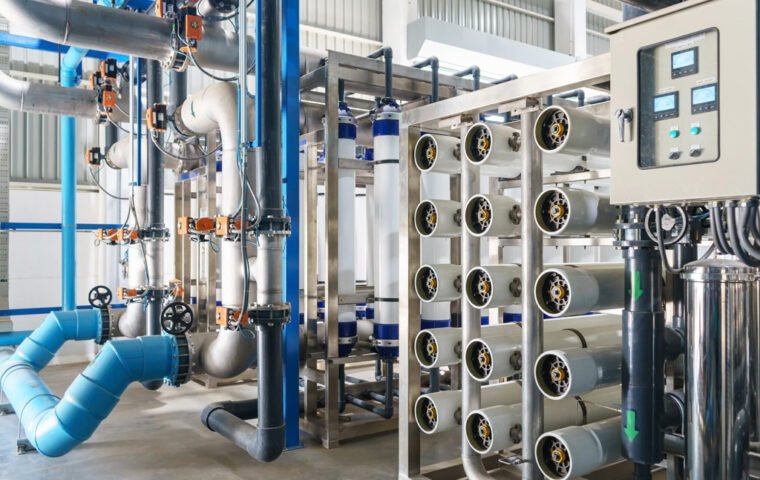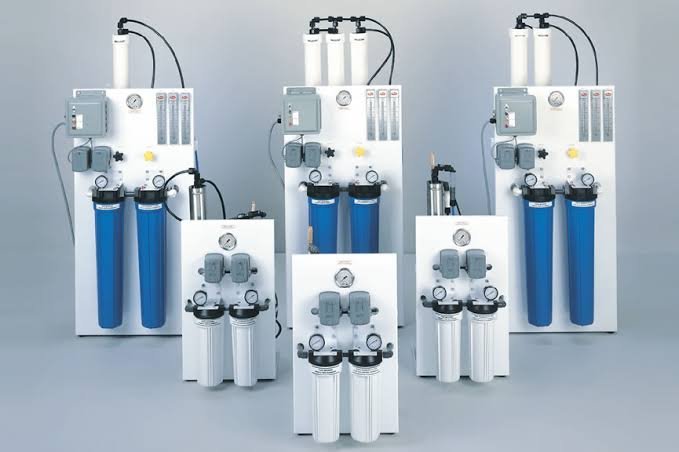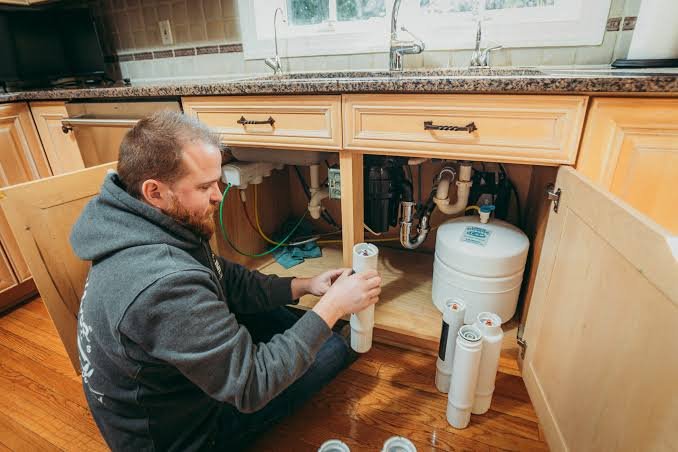
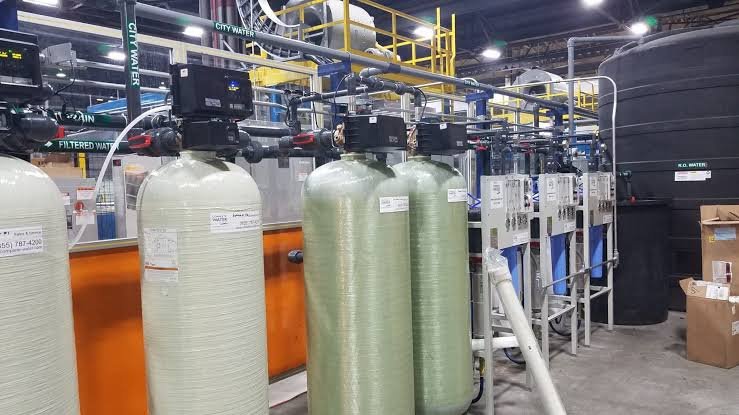
Buying a new water filtration system can feel like a big step. After researching reviews, comparing features, and deciding on a model, it’s tempting to think the hard part is over. In reality, though, choosing the equipment is only half of the journey.
What many homeowners don’t realize until much later is that even the best filtration unit can underperform if it isn’t installed correctly. Water pressure problems, leaks, poor filtration performance, and frequent maintenance issues often have less to do with the equipment itself and more to do with how it was set up from the beginning.
It’s a bit like buying a high-end kitchen appliance and plugging it into faulty wiring. The product might be excellent, but it can never perform the way it was designed.
If you’re investing in cleaner, better-tasting water, it’s worth understanding why installation matters just as much as the system you choose.
Every Home Has Different Plumbing
One thing that surprises many homeowners is how different plumbing systems can be from one house to another.
An older home may have galvanized pipes, while a newer property could use PEX or copper plumbing. Some houses rely on municipal water supplies, while others draw water from private wells with completely different mineral profiles.
These differences affect everything from water pressure to pipe sizing and filtration requirements.
That’s why a setup that works perfectly in one house may need adjustments in another. Installing a water treatment system isn’t simply about connecting a few pipes—it’s about understanding how the home’s plumbing and water quality work together.
Why Proper Installation Makes Such a Difference
The phrase professional installation sometimes sounds like little more than a sales pitch, but it actually has practical value.
Proper installation ensures that water flows through the equipment at the correct rate, bypass valves are positioned correctly, drain lines function as intended, and pressure remains balanced throughout the home.
Even small installation mistakes can create ongoing problems. Filters may clog faster than expected, appliances may receive inconsistent water pressure, or untreated water might bypass the system altogether without the homeowner realizing it.
Getting everything right from the beginning often prevents years of unnecessary frustration.
Experience Matters More Than Most People Think
Installing filtration equipment isn’t always straightforward.
Unexpected plumbing layouts, limited installation space, varying local building codes, and existing water pressure issues can all complicate the process. Experienced certified technicians know how to identify these challenges before they become expensive repairs.
More importantly, they understand how to adapt installations without compromising system performance.
That experience often saves homeowners both time and money. Instead of troubleshooting preventable issues later, everything is designed to function correctly from day one.
There’s real value in someone who’s solved hundreds of similar situations before.
Choosing Equipment That Matches Your Water
Not every household requires the same solution.
Some homes primarily struggle with hard water that leaves scale inside pipes and appliances. Others deal with unpleasant tastes, sulfur odours, sediment, iron staining, or elevated mineral content.
Because of these differences, water treatment systems should always be selected based on actual water conditions rather than popularity or online reviews.
An oversized system can waste money. An undersized one may struggle to keep up with household demand.
The right equipment isn’t necessarily the most expensive—it’s the one designed to solve your specific water challenges.
Why Water Testing Should Come First
It can be tempting to skip testing altogether and simply buy a highly rated filter.
Unfortunately, that approach often leads to disappointment.
Professional water analysis reveals exactly what’s present in the water before treatment begins. Mineral content, hardness, pH levels, sediment, bacteria, and other characteristics all influence which filtration methods will work best.
Without those details, choosing equipment becomes little more than an educated guess.
Testing provides confidence that every recommendation is based on facts rather than assumptions.
Small Installation Details Affect Long-Term Performance
Many homeowners only notice installation quality months or even years later.
A properly installed system operates quietly, maintains steady water pressure, requires predictable maintenance, and protects household appliances from unnecessary wear.
Poor installations, on the other hand, often reveal themselves through recurring service calls, leaking fittings, reduced filtration efficiency, or unexpectedly high maintenance costs.
These aren’t always dramatic failures. Sometimes it’s simply the slow accumulation of little inconveniences that gradually become expensive.
Doing the job properly the first time usually proves far less costly than correcting mistakes later.
Maintenance Becomes Easier Too
Installation doesn’t end when the equipment starts running.
Filters eventually need replacing. Water softeners require periodic servicing. Reverse osmosis membranes wear out over time. Every treatment system benefits from occasional inspection.
When equipment has been installed thoughtfully, these maintenance tasks become much simpler.
Technicians have proper access to service components, shutoff valves remain easy to reach, and future repairs can often be completed much faster.
Good installation supports the entire lifespan of the equipment—not just its first week of operation.
Better Water Supports Your Entire Home
Many people purchase water treatment systems to improve drinking water, but the benefits often extend much further.
Cleaner water can help protect washing machines, dishwashers, coffee makers, water heaters, and plumbing fixtures from mineral buildup. Soap rinses more effectively, dishes often come out cleaner, and appliances generally operate more efficiently over time.
Even showers can feel different when excess minerals are reduced.
These everyday improvements happen quietly in the background, making the entire home feel just a little more comfortable without demanding constant attention.
Investing in Quality Pays Off Over Time
Homeowners sometimes hesitate when comparing installation costs, wondering whether they could save money by handling everything themselves.
In some situations, simple filtration units may indeed be suitable for DIY installation. However, larger whole-house systems, water softeners, reverse osmosis units, and well-water treatment equipment usually involve plumbing modifications that benefit from professional expertise.
Viewed over the lifespan of the equipment, proper installation often costs far less than repairing leaks, replacing damaged components, or correcting plumbing mistakes.
It’s an investment in reliability rather than just convenience.
Clean Water Begins With Doing Things the Right Way
A quality filtration system has the potential to improve everyday life in countless small ways—from better-tasting drinking water to longer-lasting appliances and more enjoyable showers.
But even the most advanced equipment depends on careful planning, thoughtful installation, and ongoing maintenance to deliver those benefits consistently.
Choosing experienced professionals, testing your water before purchasing equipment, and selecting a solution designed specifically for your home’s needs creates a foundation for years of dependable performance.
At the end of the day, clean water isn’t simply the result of buying a great system. It’s the result of installing the right system, the right way, for the right reasons. That’s what turns an ordinary purchase into a long-term investment in your home’s comfort, efficiency, and peace of mind.