A business can have excellent staff, dependable equipment, and a well-organized daily schedule, yet a water problem can throw everything off balance. A restaurant might notice cloudy glassware just before the lunch rush. A hotel could struggle with scale deposits in its hot-water system, while a manufacturing facility may discover that mineral buildup is affecting equipment performance. These aren’t always dramatic failures, but they can become expensive distractions.
Water quality often works quietly in the background. It’s easy to overlook until maintenance costs rise, customers notice a difference, or a process stops delivering consistent results. That’s why commercial water treatment deserves more attention than it sometimes receives.
The right system depends on what the water is used for, how much is needed, and which quality concerns must be addressed. A thoughtful approach can help businesses protect equipment, maintain consistent operations, and avoid paying for treatment they don’t actually need.
Every Business Has Different Water Requirements
There isn’t one commercial water system that suits every industry. A café needs dependable water for beverages, ice, cleaning, and food preparation. A hotel may use large volumes for guest rooms, laundry, kitchens, and heating systems. A workshop or production facility could have more specialized requirements linked to its equipment or manufacturing process.
Even businesses operating in the same sector can face different challenges because their water sources, building layouts, and usage patterns aren’t identical.
The first step is to understand the incoming water. Testing may reveal hardness, sediment, iron, unusual pH levels, dissolved solids, or other substances that need attention. Depending on the source and application, microbiological testing or analysis for specific contaminants may also be appropriate.
Once those results are available, businesses can determine which treatment methods make sense. This avoids a common mistake: purchasing equipment based on a broad sales promise rather than a clearly identified water quality problem.
Understanding Commercial Reverse Osmosis
Some businesses need water with reduced levels of dissolved salts and other substances that conventional sediment filters cannot adequately remove. Reverse osmosis can be useful for these applications when the system is designed for the incoming water and intended use.
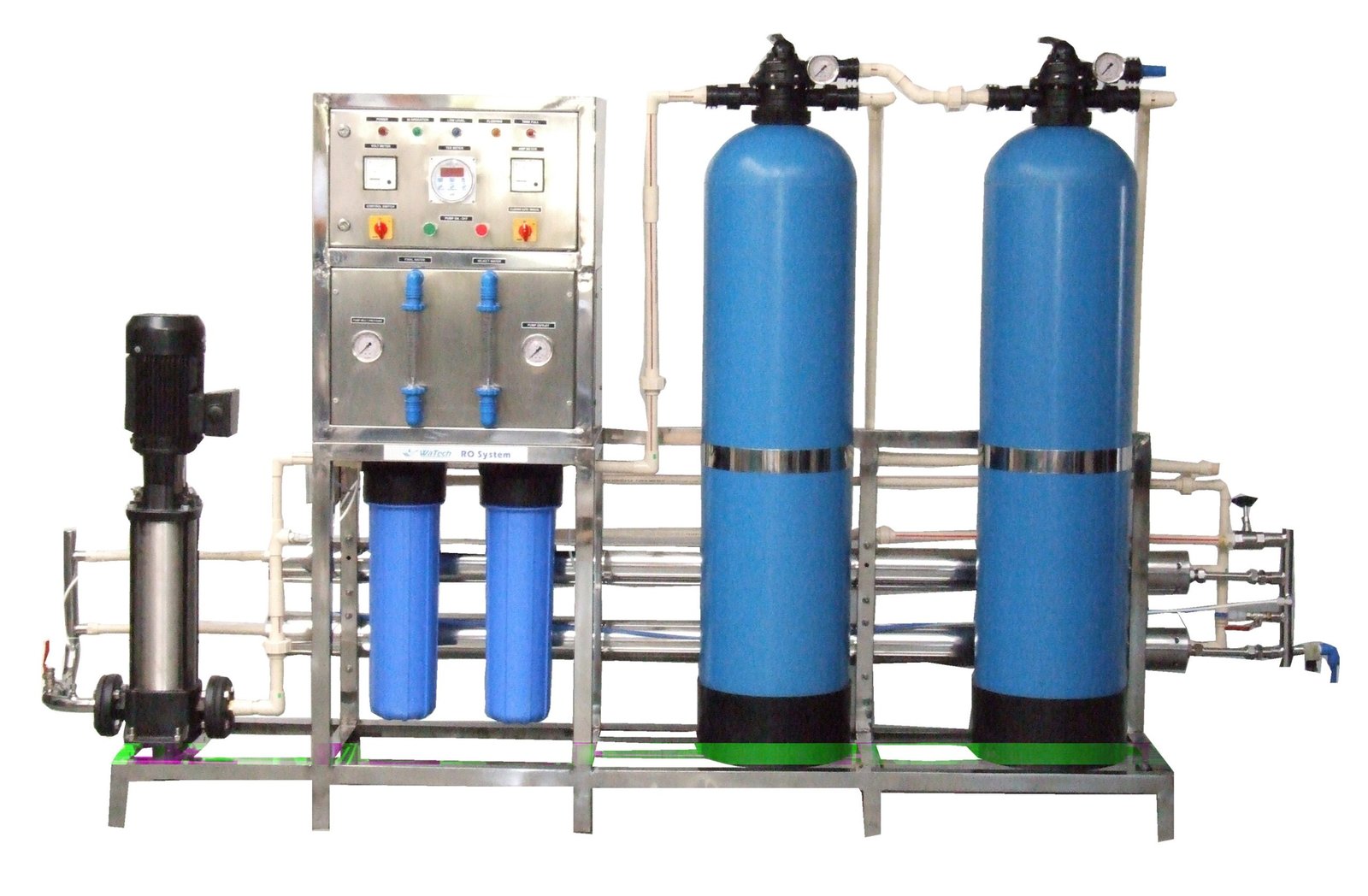
In an RO system, pressure pushes water through a semipermeable membrane. Much of the dissolved material is rejected and carried away in a concentrated wastewater stream, while treated water passes through the membrane. The exact performance depends on factors such as system design, water temperature, pressure, membrane condition, and the substances present.
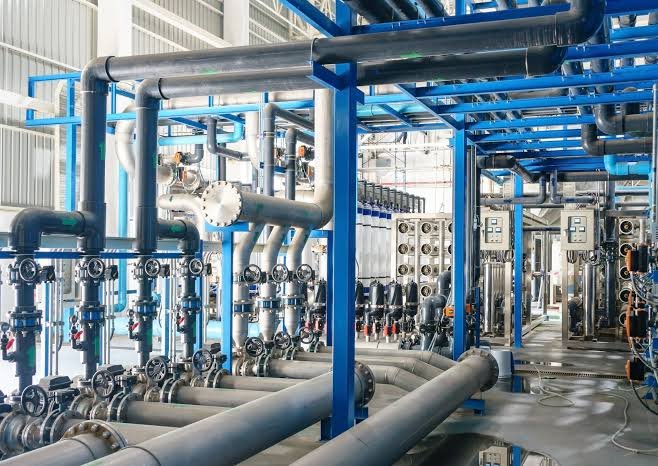
Well-designed commercial ro systems can support applications in hospitality, food and beverage preparation, laboratories, and other settings where consistent water quality matters. However, capacity is crucial. A system designed for occasional use may not keep up with a facility that requires a steady supply throughout the day.
Businesses should evaluate daily demand, peak flow requirements, storage capacity, recovery rate, and wastewater production before choosing a unit. It’s also important to verify performance claims for the specific substances the business needs to reduce. Reverse osmosis doesn’t automatically make water suitable for every process, nor does it remove every contaminant under all conditions.
Maintenance should be part of the decision from the start. Pre-filters, membranes, and other components need inspection or replacement at appropriate intervals. Neglecting them can reduce output and undermine water quality.
Filtration and Sanitization Serve Different Purposes
Filtration is often one of the first steps in a treatment plan, but the word covers several different technologies. Sediment filters remove suspended particles. Activated carbon can improve certain tastes and odors and reduce selected substances, depending on the media and system design. Specialized filters may target particular contaminants when properly selected.
Sanitization addresses a different concern: controlling microorganisms. Depending on the water quality and application, this may involve ultraviolet treatment, an appropriately designed disinfection process, or another validated method. The right choice depends on the organisms of concern, water characteristics, system design, and applicable regulations.
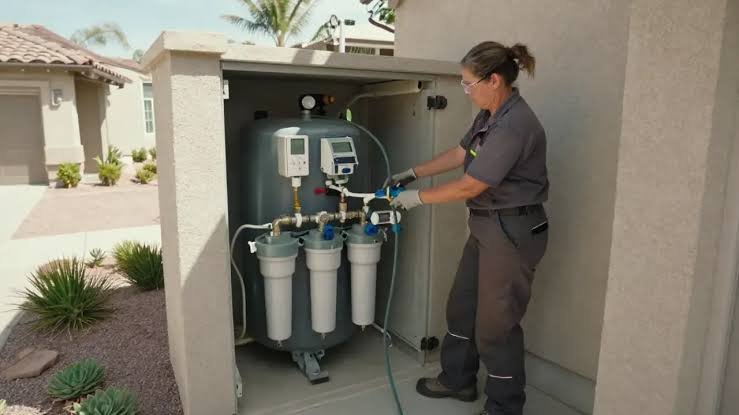
A carefully planned commercial filtration & sanitization setup may combine several stages to address different risks. For instance, preliminary filtration can protect downstream equipment, while a separate treatment stage handles a specific water quality concern. In some systems, filtration before ultraviolet disinfection helps reduce particles that could interfere with effective treatment.
The sequence matters, and so does verification. Businesses should not assume that clear-looking water is microbiologically safe or that a standard filter removes harmful organisms. Treatment must be matched to the identified risk, and systems intended for drinking water should be maintained and checked according to relevant guidance.
For food service, healthcare-related environments, and other sensitive applications, professional advice is particularly important. Local regulations and industry standards may establish specific requirements for water quality, testing, and equipment maintenance.
Managing Hardness and Mineral Deposits
Hard water is a familiar problem in many commercial buildings. It contains elevated levels of calcium and magnesium, which can form scale when water is heated or evaporates. Over time, deposits may appear on fixtures, inside pipes, and around heating elements.
In a hotel, scale can increase cleaning demands and affect hot-water equipment. In a commercial kitchen, it may leave marks on glassware and contribute to maintenance issues. Depending on the severity and equipment involved, mineral deposits can reduce heat-transfer efficiency and interfere with water flow.
Appropriate water conditioning can help manage these concerns, although the best method depends on the source water and the desired outcome. Conventional ion-exchange softeners reduce calcium and magnesium by exchanging them for sodium or potassium ions. Other conditioning technologies may influence how scale forms without removing hardness minerals in the same way.
These approaches are not interchangeable, so businesses should ask what a proposed system actually changes and what results they can reasonably expect. Water testing helps establish the level of hardness, while equipment specifications help determine the treatment capacity required.
A system that’s too small may struggle during busy periods. One that’s oversized can increase purchase and operating costs unnecessarily. Getting the sizing right is often more valuable than choosing a unit simply because it has the most features.
Consider the Cost Beyond Installation
Commercial water treatment is a long-term operating decision, not just a one-time purchase. The initial price matters, of course, but businesses should also consider electricity, consumables, service visits, wastewater, and possible downtime.
Ask suppliers for a clear explanation of expected maintenance. Find out how often filters and membranes typically need replacement under the proposed operating conditions, whether specialist servicing is required, and how readily available replacement components are.
It’s sensible to compare more than one option. A lower-cost unit might be suitable for a small operation, while a facility with higher demand may benefit from a system designed for easier servicing and continuous operation. The goal is to balance performance, reliability, and ownership costs.
Maintenance Keeps Performance Consistent
Even the best-designed equipment needs attention. Filters can become clogged, membranes can lose performance, and valves or connections may develop faults. Regular inspections help identify problems before they lead to bigger disruptions.
Businesses should keep service records, track filter changes, and arrange water testing when appropriate. Any sudden change in taste, odor, appearance, pressure, or system output deserves investigation. For applications with strict quality requirements, monitoring may need to be more frequent and follow established procedures.
It’s also useful to assign responsibility for routine checks. When maintenance becomes nobody’s job, small tasks tend to get postponed until something fails.
A Better Foundation for Everyday Operations
Commercial water treatment works best when it’s planned around the business rather than selected from a catalogue of generic promises. Start with testing, identify the requirements of each application, and choose equipment with verified performance and suitable capacity.
Reverse osmosis, filtration, sanitization, and conditioning each serve different purposes. Sometimes one technology is enough; in other situations, several stages work together to address separate concerns.
With the right design and consistent maintenance, businesses can manage water quality more confidently, protect important equipment, and reduce avoidable interruptions. It may not be the most visible part of running a business, but reliable water can make a real difference to the work happening every day.