





Water is one of those business essentials that rarely gets much attention when everything is working properly. Employees fill their coffee mugs, restaurants prepare meals, hotels welcome guests, and manufacturing equipment runs hour after hour without anyone thinking much about the water flowing through the building.
But behind the scenes, water quietly influences almost everything.
When hard water enters a commercial property, it doesn’t usually create immediate problems. Instead, it slowly leaves mineral deposits inside plumbing, water heaters, dishwashers, boilers, cooling systems, and countless other pieces of equipment. Months later, utility bills begin creeping upward. Maintenance becomes more frequent. Expensive equipment starts wearing out sooner than expected.
By then, the real cost of untreated water has already begun adding up.
Understanding how hard water affects commercial properties helps business owners make smarter long-term decisions—ones that protect equipment, reduce operating expenses, and improve daily efficiency.
Hard Water Is More Common Than Many Businesses Expect
Many commercial buildings receive water that contains naturally occurring minerals such as calcium and magnesium. These minerals aren’t necessarily harmful to people, but they can create ongoing challenges for equipment and plumbing systems.
The harder the water, the greater the opportunity for mineral scale to develop.
Restaurants often notice it in dishwashers and ice machines. Hotels see it on bathroom fixtures and laundry equipment. Manufacturing facilities deal with reduced efficiency inside process equipment, while healthcare facilities may struggle with mineral deposits in water-dependent systems.
Although every industry experiences hard water differently, the underlying issue remains remarkably similar.
Minerals continue accumulating until maintenance eventually becomes unavoidable.
Small Mineral Deposits Create Big Expenses
Scale buildup rarely appears dramatic at first.
A thin layer forms inside pipes. Heating elements begin collecting minerals. Water heaters require slightly more energy than before.
Because these changes happen gradually, they’re easy to overlook.
Unfortunately, equipment doesn’t overlook them.
Mineral buildup restricts water flow, reduces heating efficiency, forces pumps to work harder, and increases wear on internal components. Even a relatively thin layer of scale can reduce energy efficiency enough to create noticeable increases in utility costs over time.
The longer hard water remains untreated, the more difficult—and expensive—it becomes to reverse the damage.
Why commercial water softeners Make Financial Sense
Many business owners initially think of commercial water softeners as optional upgrades.
In reality, they’re often investments in protecting expensive infrastructure.
Water softening systems remove hardness minerals before they circulate throughout the building. By reducing calcium and magnesium, softeners help prevent scale from forming inside water heaters, boilers, plumbing lines, dishwashers, commercial laundry equipment, and countless other systems.
The result isn’t simply softer water.
It’s equipment that operates more efficiently, requires fewer repairs, and often lasts considerably longer than equipment constantly exposed to untreated hard water.
Over several years, those savings frequently outweigh the initial installation costs.
Different Businesses Have Different Water Needs
Not every commercial property uses water the same way.
A restaurant serving hundreds of meals daily places completely different demands on its water system than an office building or retail store. Hotels require consistent water quality across guest rooms, kitchens, laundry facilities, and mechanical systems. Manufacturing facilities may depend on water for production itself.
That’s why choosing the right softening system begins with understanding how the building actually uses water.
Water demand, peak usage periods, plumbing configuration, incoming hardness levels, and future business growth all influence system sizing.
A properly matched solution performs more efficiently while avoiding unnecessary operating costs.
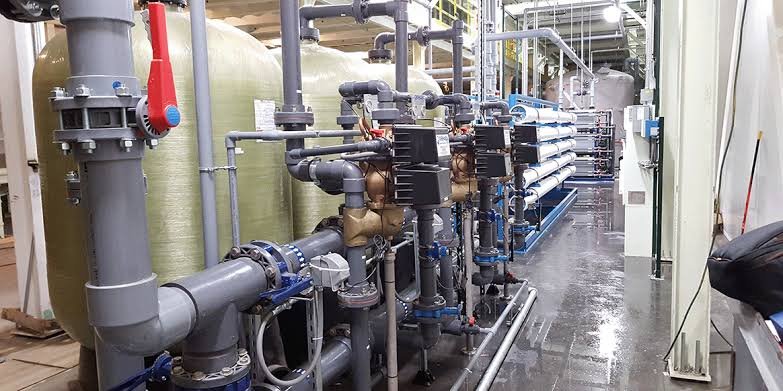
Planning the Right business water softener installation
Installing commercial equipment isn’t simply about connecting pipes.
A successful business water softener installation requires careful planning to ensure the system integrates smoothly with existing plumbing while providing enough capacity for daily operations.
Professionals typically evaluate water usage patterns, equipment demands, available installation space, and plumbing layouts before selecting a system.
This planning stage is important because undersized equipment may struggle during peak demand, while oversized systems often increase purchase and operating costs without delivering meaningful benefits.
Thoughtful installation helps businesses achieve reliable performance from day one while simplifying future maintenance.
Water Quality Affects Customer Experience Too
The effects of hard water aren’t limited to maintenance departments.
Customers notice them as well.
Cloudy drinking glasses, spotted silverware, rough towels, mineral stains in guest bathrooms, and inconsistent beverage quality all influence how people perceive a business, even if they never consciously connect those issues to water.
Restaurants depend on clean ice and great-tasting beverages. Hotels want bright linens and spotless fixtures. Healthcare environments value cleanliness and dependable equipment.
Improving water quality quietly enhances many of these customer experiences without requiring major operational changes.
It’s one of those behind-the-scenes improvements that customers appreciate without necessarily realizing why.
Soft Water Helps reduce scale buildup Throughout the Building
Perhaps the greatest long-term benefit of water softening is its ability to reduce scale buildup before it becomes a serious maintenance issue.
Instead of constantly removing mineral deposits after they’ve already formed, businesses prevent much of the accumulation from occurring in the first place.
That preventative approach protects water heaters, boilers, cooling systems, commercial kitchens, plumbing fixtures, and production equipment throughout the facility.
Preventing scale also improves energy efficiency because heating surfaces remain cleaner and transfer heat more effectively.
Less buildup means fewer repairs, lower maintenance costs, and more reliable daily operations.
For businesses focused on controlling long-term expenses, prevention is almost always the smarter strategy.
Regular Maintenance Keeps Systems Performing Well
Installing a commercial softening system isn’t the end of the process.
Like HVAC systems, elevators, and other essential building infrastructure, water treatment equipment benefits from routine maintenance.
Periodic inspections, resin evaluations, system cleaning, and scheduled servicing help ensure consistent performance while reducing the risk of unexpected downtime.
Regular maintenance also allows technicians to identify small issues before they develop into larger operational problems.
Businesses that prioritize preventative care generally experience greater reliability and lower lifetime ownership costs.
Better Water Supports Better Business
At the end of the day, water quality isn’t simply a maintenance concern.
It’s a business decision.
Cleaner, properly softened water protects valuable equipment, improves operational efficiency, lowers maintenance expenses, reduces energy consumption, and contributes to a better experience for both employees and customers.
Those advantages may not always be immediately visible, but they quietly influence daily operations in meaningful ways.
Whether you’re managing a hotel, restaurant, healthcare facility, office building, or industrial operation, investing in better water quality is really an investment in the future of your business. Protecting plumbing, extending equipment life, and improving reliability today can help reduce unnecessary costs for years to come. Sometimes the smartest operational improvements happen behind the walls—where clean, properly treated water keeps everything running exactly as it should.