






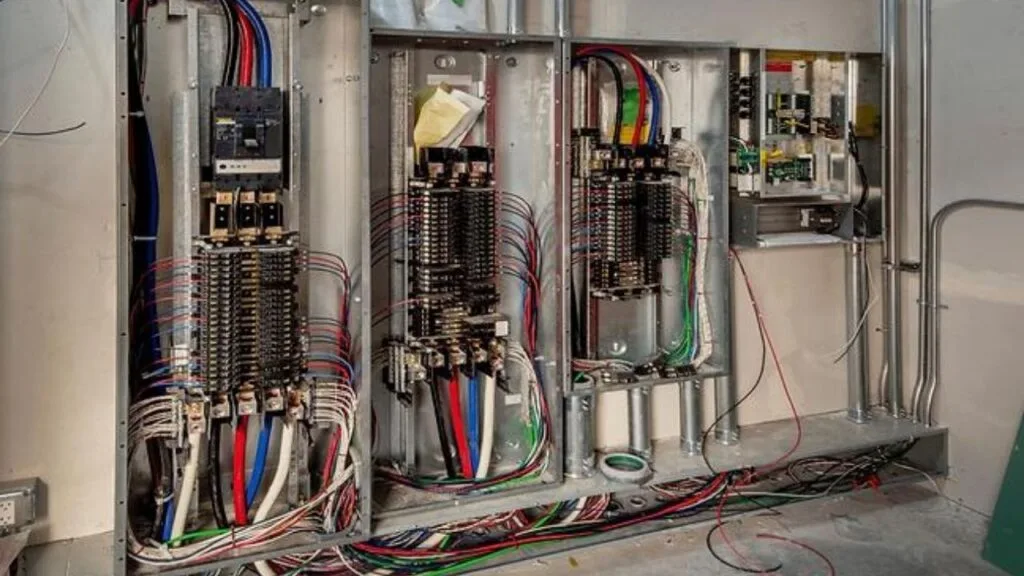
Walk into any finished home or commercial building and you’ll notice the obvious things first—the architecture, the lighting, the flooring, maybe even the paint colors. What you won’t immediately see is the electrical system hidden behind the walls. Yet it’s one of the most important parts of the entire structure.
Without dependable wiring, carefully designed circuits, and properly installed electrical equipment, even the most beautiful building can’t function the way it should.
Whether you’re building from scratch, expanding an existing property, or planning a major commercial development, investing in professional electrical work from the very beginning creates long-term value that continues long after construction crews leave the site.
Modern Buildings Demand Smarter Electrical Design
Buildings today consume far more electricity than they did even a decade ago.
Homes now include smart appliances, electric vehicle chargers, security systems, home offices, entertainment centers, and connected devices that stay online around the clock. Commercial buildings depend on advanced lighting, networking equipment, HVAC controls, security systems, and specialized machinery to support daily operations.
Planning electrical infrastructure has become far more complex than simply deciding where to place outlets and switches.
A well-designed system considers current usage while leaving room for future growth, ensuring the property continues meeting changing technology demands for many years.
Planning Early Makes Every Project Easier
Electrical work is one of the first systems considered during construction for a good reason.
Before drywall goes up or flooring is installed, electricians have full access to framing, ceilings, and structural components. This stage allows wiring, conduit, service panels, and circuits to be installed efficiently without unnecessary modifications later.
For new construction, careful planning creates opportunities to position outlets more conveniently, improve lighting layouts, prepare for future technology, and avoid costly adjustments once the building is complete.
Making smart decisions early almost always costs less than changing finished work later.
Every Building Has Different Requirements
No two construction projects share identical electrical needs.
A family home requires different power distribution than a medical office. Retail stores depend on attractive lighting and reliable checkout systems, while warehouses often require heavy-duty circuits capable of supporting industrial equipment.
Experienced electricians begin by understanding how the building will actually be used.
Rather than applying a standard template, they design systems around occupancy, equipment requirements, energy efficiency goals, and long-term expansion plans.
That personalized approach helps buildings perform better throughout their entire lifespan.
Building from the Ground Up Creates New Opportunities
Starting with an empty site offers advantages that simply aren’t available during renovations.
With ground-up construction, every aspect of the electrical infrastructure can be designed intentionally from the beginning. Service panels, conduit pathways, lighting placement, dedicated equipment circuits, backup power preparation, and future expansion can all be incorporated before construction progresses.
Instead of adapting older wiring to fit modern technology, the entire system is created around today’s needs while remaining flexible enough to support tomorrow’s innovations.
That flexibility becomes increasingly valuable as technology continues evolving.
Safety Begins Behind the Walls
Electrical work isn’t something most people ever see after construction ends.
Hidden wiring, grounding systems, breaker panels, and safety devices continue working quietly every day without attracting attention.
That’s why professional installation matters so much.
Experienced electricians follow current building codes, perform accurate load calculations, install proper grounding systems, and carefully test completed installations before a project is finished.
These details may never be visible to building occupants, but they contribute significantly to long-term safety, reliability, and performance.
Good electrical work often goes unnoticed—which is exactly what makes it successful.
Commercial Properties Require Specialized Expertise
Business environments often place greater demands on electrical infrastructure than residential buildings.
Office complexes rely on networking equipment, conference rooms, security systems, and uninterrupted workstation power. Restaurants require dependable kitchen equipment and refrigeration. Retail stores depend on attractive lighting, payment systems, and climate control.
Professional commercial electrical services ensure these systems are designed to support productivity while minimizing downtime and improving operational efficiency.
Careful planning also allows businesses to expand more easily as equipment and staffing needs change over time.
That’s an advantage many property owners appreciate years after construction has been completed.
Thinking Beyond Today’s Technology
Electrical systems should never be designed solely for current needs.
Technology evolves quickly.
Electric vehicle charging stations, renewable energy systems, battery storage, smart building controls, automated lighting, and advanced security systems are becoming increasingly common in both residential and commercial properties.
Preparing for these technologies during construction is generally much easier—and far less expensive—than retrofitting buildings years later.
Forward-thinking electrical design creates flexibility without significantly increasing project complexity.
Choosing the Right Electrical Team
Electrical work is one of the few parts of construction that influences nearly every other trade.
Lighting affects interior design. Wiring supports HVAC systems, plumbing equipment, appliances, security, communications, and automation. Because everything is connected, experience becomes incredibly valuable.
A qualified electrical contractor communicates clearly, coordinates effectively with other construction professionals, and anticipates potential challenges before they become delays.
That collaborative approach helps projects remain on schedule while maintaining high workmanship standards throughout every phase of construction.
Final Thoughts
Whether you’re building a custom home, developing a commercial property, or managing a large-scale construction project, electrical planning deserves careful attention from the very beginning. A properly designed electrical system supports safety, efficiency, convenience, and future technology while quietly powering every aspect of modern living.
Professional electrical work isn’t simply another item on a construction checklist. It’s one of the foundations that determines how well a building performs for decades to come.
By investing in experienced professionals, thoughtful planning, and high-quality installation, property owners create buildings that are prepared not only for today’s demands but also for tomorrow’s opportunities. That’s the kind of investment that continues delivering value long after the final inspection is complete.