A vehicle wrap has a fairly hard life. It may look clean and glossy on the day it leaves the shop, but after that, reality begins. Sunlight hits it. Rain sits on it. Dust sticks to it. Road grime gets washed across the panels. Then there are door handles, curves, bumpers, seams, fuel caps, and all the other awkward parts of a vehicle that test whether the wrap was made and installed properly.
That is why the material behind the design matters so much. A wrap is not just a printed advertisement. It is a surface that has to move with the vehicle, handle weather, and still make the business look professional months or even years later. Pretty graphics help, sure, but if the film underneath is poor, the whole thing can start looking tired too quickly.
Why Film Quality Should Never Be an Afterthought
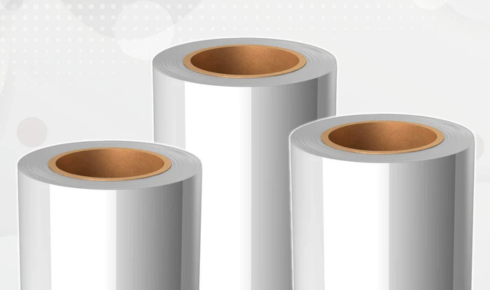
A high-quality cast vinyl film is often chosen for professional vehicle wraps because it is made to perform on complex surfaces. Unlike basic vinyl used for flatter, shorter-term projects, cast film is generally thinner, more flexible, and better suited for curves and recesses. That makes it a smarter choice for cars, vans, trucks, and commercial fleets that need a polished finish.
Vehicles are not flat boards, and that’s the important point. A wrap must sit smoothly across doors, panels, wheel arches, and body lines. If the material is too stiff or unstable, it can pull back, wrinkle, or lift around edges over time. Good film gives the installer a better foundation to work with.
The Shape of the Vehicle Changes Everything
A design may look perfect on a screen, but the vehicle decides how well it really works. Curves, handles, mirrors, bumpers, and uneven surfaces can change how the graphics appear once applied. This is where planning matters.
Using conformable wrap material helps the vinyl settle more naturally around difficult shapes without forcing the design to fight the vehicle. It allows graphics to follow the body lines with a smoother, more integrated look. That clean finish is one of the reasons a professionally wrapped vehicle feels branded instead of simply covered.
A Wrap Needs to Look Good in Motion
People rarely study a vehicle wrap like they would a brochure. They see it while walking past, driving behind it, or sitting next to it at a light. Sometimes they only have a few seconds. Because of that, clarity is just as important as creativity.
Large lettering, strong contrast, simple messaging, and smart logo placement all help the wrap work in real life. Tiny service lists or busy backgrounds may look interesting up close, but they can become unreadable on the road. A good wrap should answer the basics quickly: who the business is, what it does, and how to contact it.
Durability Protects the Brand Image
For businesses, long-term durability is not just a technical benefit. It directly affects how the brand is seen. A wrap that fades, cracks, bubbles, or peels can make even a reliable company look careless. On the other hand, a clean and well-maintained wrap suggests professionalism and attention to detail.
Durability depends on several things working together: the vinyl film, the laminate, the ink quality, the preparation process, and the installer’s skill. One weak step can shorten the life of the wrap. That’s why choosing the cheapest option is not always cheaper in the long run.
Installation Is Part Skill, Part Patience
A good installer does more than apply vinyl. The vehicle needs to be cleaned carefully, measured properly, and handled with attention around every seam and curve. Edges must be finished neatly, panels aligned correctly, and heat used carefully where needed.
Rushed installation often shows up later, not always immediately. A corner may begin lifting, a recessed area may pull back, or a bubble may appear after temperature changes. These problems can usually be reduced when the right material is paired with experienced installation.
Maintenance Keeps the Wrap Looking Fresh
Even a premium wrap needs basic care. Gentle washing helps remove dust, pollutants, bird droppings, and road grime before they damage the surface. Harsh chemicals and aggressive pressure washing can shorten the wrap’s life, especially around edges.
Parking in shade when possible also helps, particularly in hot climates. It is a small habit, but it can slow down fading and surface wear. A wrap is a business asset, so treating it with a bit of care makes sense.
Better Materials Create Better Value
A vehicle wrap is often one of the most visible forms of local advertising a business owns. It works while the vehicle is moving, parked at a job site, or sitting outside a customer’s home. That daily exposure has value, but only if the wrap continues to look sharp.
In the end, a strong wrap starts beneath the design. Quality film, flexible material, proper protection, skilled installation, and sensible care all play a role. When those pieces come together, the result is not just a good-looking vehicle. It is a moving brand presence that keeps doing its job, day after day.