There was a time when gaming cafés in India felt almost magical. Dimly lit rooms filled with glowing monitors, loud keyboard clicks, Counter-Strike tournaments stretching late into the evening, and groups of friends arguing over who camped unfairly in the last round — it was chaotic, noisy, and somehow unforgettable.
Then smartphones arrived, internet became cheaper, and gaming shifted heavily toward personal devices. Slowly, many gaming cafés disappeared. People assumed the era was over for good.
But something interesting is happening again.
Across several Indian cities, gaming cafés are quietly returning — not exactly in the old form, but with a very different energy. Modern setups, esports tournaments, console lounges, streaming spaces, and community-driven experiences are attracting young gamers once again.
And honestly, the comeback makes more sense than people initially expected.
Gaming Has Become More Social Than Ever
Ironically, online gaming made people crave physical gaming spaces again.
Most modern games are multiplayer-focused. Players constantly communicate through voice chat, team coordination, streaming communities, and esports culture. Yet playing alone at home doesn’t always deliver the same emotional excitement as gaming beside actual friends.
Gaming cafés recreate that shared energy.
The reactions feel immediate. Trash talk becomes funnier. Victories feel louder. Even losing somehow becomes memorable when everyone around you experiences it together. Humans naturally enjoy communal entertainment, whether it’s sports stadiums, movie theaters, or gaming spaces.
And younger gamers increasingly treat gaming as social identity rather than just casual entertainment.
That cultural shift matters a lot.
High-End Gaming Still Feels Expensive
Another major reason behind the comeback is affordability.
Gaming hardware has become incredibly expensive. High-performance gaming PCs, consoles, graphics cards, monitors, and accessories remain financially inaccessible for many students or younger players. Not everyone can build a premium gaming setup at home.
Gaming cafés solve that gap beautifully.
Instead of spending huge amounts on personal hardware, players access powerful systems hourly at relatively manageable prices. For competitive games especially, performance matters enormously. Smooth frame rates and low latency directly affect gameplay quality.
That accessibility attracts players who love gaming seriously but can’t justify massive hardware investments personally.
This is partly why discussions around India me gaming cafés phir se comeback kyun kar rahe hain? are becoming more visible among gaming communities and entrepreneurs.
Esports Changed Everything
Ten years ago, gaming in India was still often viewed casually or even negatively by many families.
Now esports tournaments fill stadiums globally. Streamers build massive audiences. Professional gaming careers no longer sound impossible. Young audiences follow esports teams almost like traditional sports clubs.
Gaming cafés adapted to this evolution.
Many modern cafés now host tournaments, local leagues, boot camps, streaming setups, and practice sessions for competitive players. The environment feels less like an internet café and more like a mini esports arena.
That atmosphere attracts ambitious gamers who want both better hardware and community interaction.
And honestly, competition feels more exciting when experienced collectively in real spaces instead of isolated bedrooms.
Gaming Cafés Became Lifestyle Spaces
The new generation of gaming cafés looks very different from older setups.
Earlier cafés mainly focused on providing computer access. Modern gaming lounges blend gaming with café culture, social hangouts, content creation spaces, and entertainment experiences. Some include themed interiors, premium food menus, VR gaming zones, console sections, and streaming booths.
The goal isn’t just gameplay anymore — it’s immersion.
Young consumers increasingly spend money on experiences rather than products alone. Gaming cafés understand this shift clearly. They sell atmosphere as much as hardware access.
In some cities, gaming cafés even function as social hubs where creators, gamers, and streamers network regularly.
Internet Infrastructure Improved Dramatically
Cheap mobile internet helped gaming grow in India, but better broadband infrastructure also supported café revival indirectly.
Competitive online gaming requires stable low-latency connections, something many homes still struggle with occasionally. Gaming cafés often provide optimized internet setups specifically designed for multiplayer performance.
That reliability matters hugely in esports-focused titles.
And as games become heavier technically, cloud gaming, live streaming, and multiplayer experiences demand stronger infrastructure overall. Professional-grade gaming environments naturally become attractive again.
The Pandemic Changed Youth Social Behavior
After long periods of lockdowns and isolation, many young people actively started seeking offline social experiences again.
Gaming cafés fit perfectly into that emotional need because they combine digital entertainment with physical interaction. Friends can meet, compete, eat, stream, and spend hours together without needing expensive nightlife or formal plans.
The environment feels casual and familiar.
Especially for students and younger working professionals, gaming cafés offer affordable social spaces compared to malls, clubs, or restaurants.
That social comfort is underrated honestly.
Mobile Gaming Helped Cafés Too
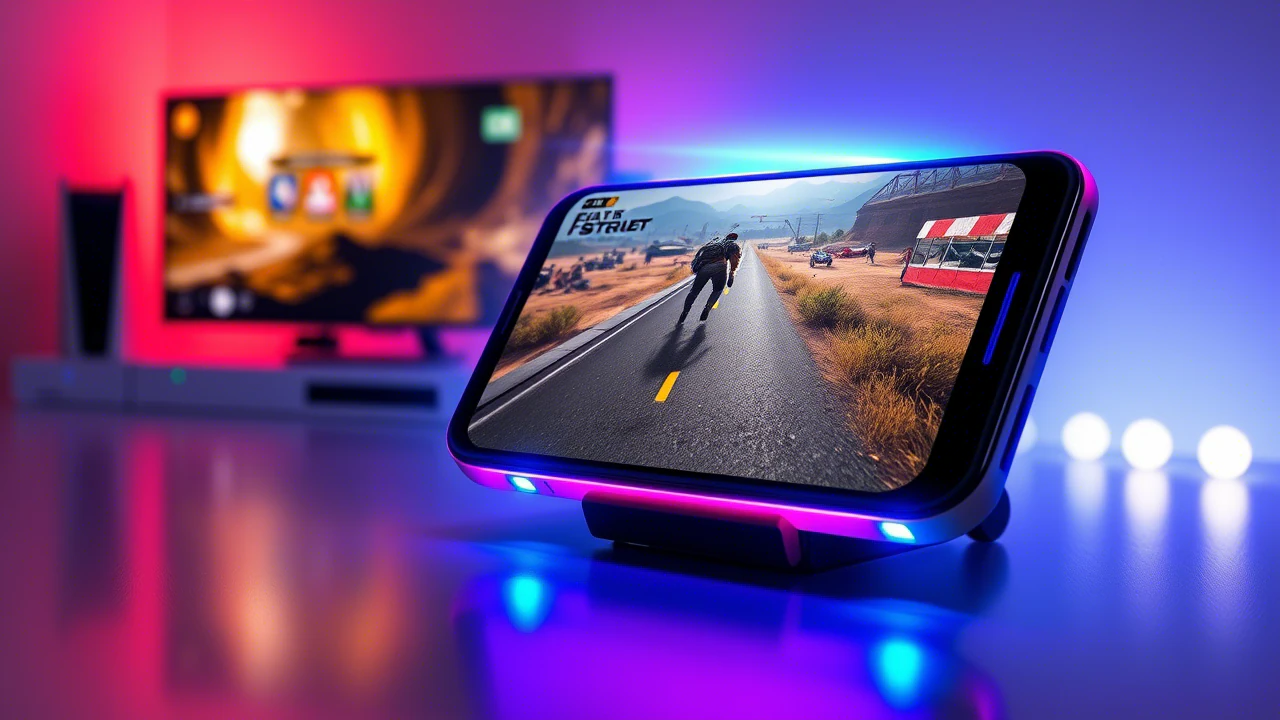
Interestingly, mobile gaming’s rise didn’t destroy gaming cafés completely — it actually expanded gaming culture overall.
Millions of Indians who began with mobile games eventually became curious about PC or console gaming too. Competitive titles, streaming culture, and esports exposure created aspiration around high-end gaming experiences.
Gaming cafés benefit from that curiosity.
Someone may start gaming casually on mobile, then visit a café to experience higher-performance systems, team tournaments, or premium setups they can’t access personally.
This crossover keeps gaming communities growing continuously.
Which explains why people increasingly ask, India me gaming cafés phir se comeback kyun kar rahe hain? because the revival reflects broader gaming culture evolution rather than simple nostalgia alone.
Challenges Still Exist
Of course, the business isn’t easy.
High equipment costs, rent expenses, hardware maintenance, electricity bills, and rapid technology upgrades make gaming cafés financially demanding to operate. Smaller cities may struggle with profitability unless strong gaming communities already exist.
Competition from home gaming also remains real.
Some players still prefer personal setups for comfort and convenience. So cafés must offer something beyond basic hardware access now — community, tournaments, atmosphere, and premium experiences.
The successful ones understand this clearly.
Gaming Culture in India Is Becoming More Real
Perhaps that’s the most interesting part of this comeback.
Gaming in India no longer feels like a niche hobby hiding quietly in bedrooms or cyber cafés. It’s becoming a visible cultural ecosystem involving friendships, careers, creators, competitions, and social identity.
Gaming cafés represent the physical side of that ecosystem returning again.
Not because people lack internet at home anymore, but because digital communities eventually seek real-world spaces too. Humans naturally want shared experiences, even in highly digital cultures.
And honestly, hearing excited players shouting across a gaming room still carries a kind of energy that online voice chats alone can’t fully replace.