For decades, windshields were just… glass. Important glass, obviously, but still mostly passive. Their job was simple: protect drivers from wind, dust, rain, insects, and the occasional unfortunate bird encounter on highways.
But modern vehicles are changing rapidly, and suddenly the windshield is becoming something much smarter.
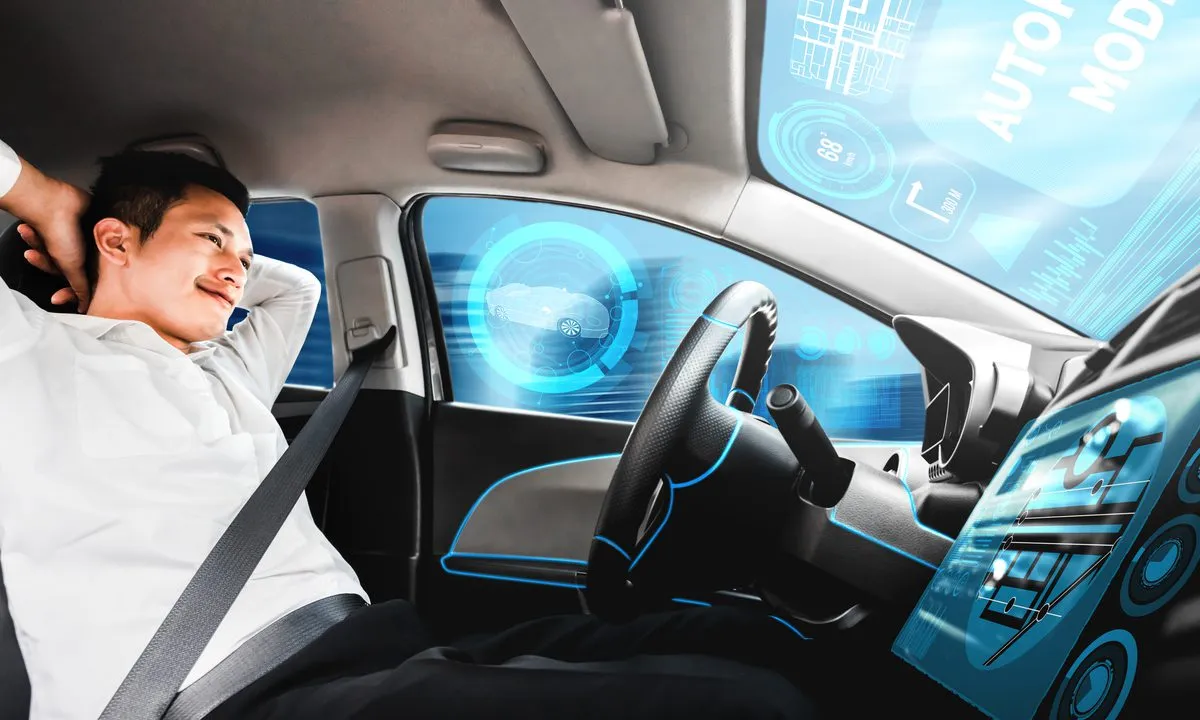
Today, automakers are experimenting with windshields that can display navigation, highlight hazards, monitor driver attention, adapt visibility dynamically, and even interact with AI systems in real time. What once felt futuristic in science-fiction movies is slowly entering real-world automotive design.
Naturally, people are beginning to ask: AI-powered windshield systems future driving experience ko kaise change karenge?
The answer goes far beyond flashy visuals. These systems could fundamentally change how drivers interact with roads, vehicles, and information itself.
Driving Is Becoming More Data-Heavy
Modern cars already process enormous amounts of information continuously.
Sensors monitor:
- Lane positioning
- Traffic movement
- Blind spots
- Speed
- Weather conditions
- Driver fatigue
- Collision risks
- Pedestrian movement
The problem is that traditional dashboards still force drivers to constantly look away from the road to access important information.
Even a brief glance downward can become dangerous at high speeds.
AI-powered windshield systems attempt to solve that issue by bringing essential information directly into the driver’s line of sight. Instead of shifting attention between the road and screens repeatedly, the windshield itself becomes an intelligent display surface.
That sounds simple conceptually, but it changes the driving experience significantly.
Head-Up Displays Are Just the Beginning
Some premium cars already use basic head-up displays, projecting speed or navigation onto the windshield lightly. But future AI-driven systems aim for something much more advanced.
Imagine windshields capable of:
- Highlighting pedestrians during fog
- Identifying road hazards instantly
- Marking safe lane paths visually
- Showing navigation overlays directly on roads
- Detecting driver fatigue patterns
- Adjusting brightness automatically
- Displaying weather-related warnings contextually
Instead of drivers manually interpreting every environmental detail themselves, AI systems help filter and prioritize critical information dynamically.
In stressful driving conditions, that assistance could reduce cognitive overload considerably.
Indian Roads Could Benefit Massively
Honestly, countries like India may benefit from these technologies more than people initially expect.
Driving conditions here are often unpredictable:
- Sudden lane changes
- Poor visibility
- Stray animals
- Potholes
- Congested intersections
- Weather fluctuations
- Inconsistent road markings
Human attention gets overloaded quickly in such environments.
An intelligent windshield system capable of highlighting immediate risks or navigation clarity in real time could genuinely improve safety and reduce stress during urban and highway driving alike.
That’s one reason AI-powered windshield systems future driving experience ko kaise change karenge? has become an increasingly interesting discussion in the automotive technology space.
The systems aren’t only about luxury anymore. They could eventually become practical safety tools.
AI Makes Contextual Decisions Possible
What makes these systems different from normal displays is AI-driven contextual awareness.
Traditional systems simply show information constantly whether it’s useful or not. AI-powered systems, however, can prioritize what matters at specific moments.
For example:
- During heavy rain, visibility assistance becomes priority
- In crowded urban traffic, pedestrian alerts increase
- On highways, lane guidance becomes more prominent
- If driver distraction is detected, warnings intensify
This adaptive behavior creates a more intuitive driving environment because the system reacts intelligently instead of displaying static data endlessly.
And honestly, that contextual filtering matters more than people realize. Too much information can distract drivers just as much as too little.
Augmented Reality Will Play a Huge Role
Many future windshield systems will likely combine AI with augmented reality.
Instead of flat text floating awkwardly on glass, navigation instructions may appear aligned directly with actual roads and turns. Hazard markers could visually outline obstacles. Parking assistance may overlay positioning guides naturally into the driver’s field of view.
This creates a more immersive interaction between physical roads and digital information.
In some ways, the windshield starts behaving less like glass and more like a responsive interface between humans and machines.
That’s a pretty radical shift for something drivers once ignored completely.
Safety Could Improve Dramatically
The biggest long-term benefit may ultimately be safety.
Human drivers make mistakes constantly because attention is limited. Fatigue, distraction, stress, poor weather, and information overload all contribute to accidents.
AI-powered windshield systems won’t eliminate human error entirely, but they may reduce reaction time and improve situational awareness meaningfully.
For example:
- Night vision overlays may improve visibility
- Collision warnings could appear instantly
- Blind spot alerts become visually intuitive
- Emergency route guidance becomes clearer
Small reaction-time improvements alone can save lives in high-speed environments.
There’s Also a Risk of Overdependence
Of course, there’s another side to this discussion too.
The more vehicles assist drivers intelligently, the more people may begin depending heavily on automation. Overtrust in technology already causes problems in some semi-autonomous driving systems globally.
Drivers may become less attentive if systems feel too reliable.
There’s also the issue of distraction itself. Poorly designed windshield interfaces could overwhelm drivers with excessive visuals, alerts, or unnecessary data clutter.
So balancing assistance with simplicity will become extremely important.
Cost and Accessibility Remain Challenges
Right now, advanced AI windshield systems mostly appear in premium or experimental vehicles. The hardware requirements — sensors, cameras, processing systems, projection technology — still remain expensive.
But automotive technology usually trickles downward over time.
Features once considered luxury-only, like reverse cameras, adaptive cruise control, or connected infotainment systems, eventually reached mid-range cars too.
Something similar may happen here gradually.
Final Thoughts
AI-powered windshield systems represent a fascinating shift in how humans interact with vehicles. Instead of constantly dividing attention between roads and screens, future drivers may experience information layered naturally into the driving environment itself.
That could make driving safer, smoother, and less mentally exhausting — especially in complex traffic conditions.
At the same time, the technology raises important questions about distraction, overdependence, privacy, and how much control humans should eventually hand over to intelligent systems.
But one thing already feels clear: the windshield of the future probably won’t behave like ordinary glass anymore.
It’s slowly becoming a digital interface between the driver, the vehicle, and the road ahead.