





Every Business Depends on Water More Than It Realizes
Water has a funny way of staying invisible until something goes wrong. It flows through coffee machines, ice makers, dishwashers, manufacturing equipment, and restroom faucets without asking for attention. Most days, no one gives it a second thought. But when equipment starts breaking down, drinks taste different, or customers begin to notice cloudy ice or mineral stains, water suddenly becomes everyone’s concern.
I’ve always found it interesting that businesses spend thousands protecting expensive equipment while overlooking the one thing that touches nearly every piece of machinery every single day. Clean, properly treated water doesn’t just improve operations—it quietly protects investments, reduces unnecessary maintenance, and creates a better experience for customers and employees alike.
The good news? Fixing water quality isn’t usually about making dramatic changes. It’s about making smarter ones.
Water Quality Affects More Than Taste
When people hear “water filtration,” they often think about drinking water. That’s certainly part of the picture, but commercial buildings rely on water in dozens of ways that have nothing to do with filling a glass.
Restaurants depend on clean water for cooking and beverages. Hotels need it for guest rooms, laundry, and kitchens. Healthcare facilities require dependable water every day, while manufacturing plants rely on consistent water quality to keep production running smoothly.
Poor water can lead to scale buildup, clogged pipes, reduced efficiency, corrosion, and higher utility costs. None of these problems appear overnight. Instead, they slowly develop in the background, quietly increasing operating expenses until someone finally notices.
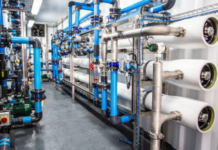
That’s one reason so many companies are investing in commercial water filtration systems as part of their long-term maintenance strategy rather than waiting for expensive repairs.
Small Issues Often Grow Into Expensive Problems
One of the trickiest things about water-related damage is how gradual it is.
A heating element collects mineral deposits little by little. Pipes slowly narrow because of scale buildup. Dishwashers require longer cycles. Water heaters consume more energy. Coffee machines need frequent descaling.
Each issue seems minor on its own.
Together, though, they create a chain reaction that affects maintenance schedules, equipment lifespan, employee productivity, and monthly operating costs.
Businesses often assume aging equipment is simply wearing out. Sometimes that’s true. Other times, the equipment is responding to untreated water that has been working against it for years.
Preventing these problems is almost always less expensive than fixing them after the damage has already been done.
Different Industries Face Different Water Challenges
There’s no universal water profile.
Water conditions vary from one city to another and even between neighboring communities. Some locations struggle with hard water packed with minerals. Others deal with chlorine, sediment, iron, sulfur, or seasonal changes that influence water quality throughout the year.
That’s why businesses shouldn’t assume the same solution works everywhere.
A café may focus on beverage quality and protecting espresso equipment. A manufacturing facility may prioritize production consistency. Hotels often care about guest comfort, spotless linens, and extending the life of plumbing systems.
The most effective solutions begin with understanding what is actually present in the incoming water supply before choosing the right treatment approach.
Cleaner Water Supports Better Equipment Performance
Commercial equipment represents a major investment.
Ice machines, steam systems, commercial dishwashers, water heaters, boilers, cooling towers, beverage dispensers, and specialty manufacturing equipment all depend on clean water to operate efficiently.
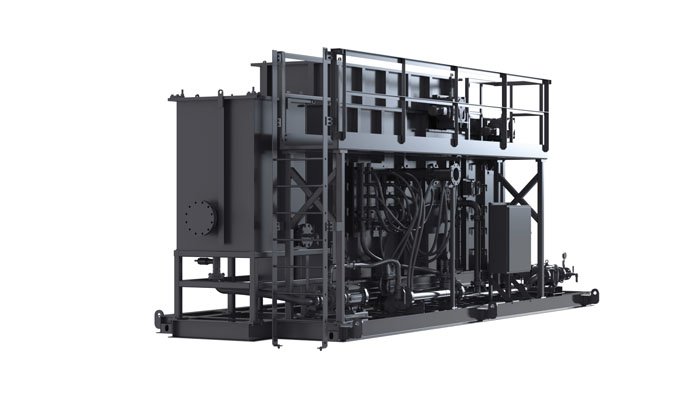
Installing reliable commercial water filters helps reduce contaminants that contribute to scale buildup and internal wear. That means equipment can perform closer to its intended efficiency while requiring fewer unexpected repairs.
Owners frequently notice additional benefits as well.
Energy consumption may decrease because heating elements remain cleaner. Maintenance intervals become more predictable. Replacement parts last longer. Even employee frustration drops because equipment works more consistently throughout the day.
It’s one of those improvements that doesn’t always grab attention immediately but steadily delivers value over time.
Water Quality Shapes Customer Experience
Customers rarely think about water directly.
Instead, they notice the results.
Fresh-tasting coffee. Crystal-clear ice cubes. Spot-free glassware. Soft towels in hotel rooms. Clean dishes. Pleasant drinking water. These small experiences contribute to the overall impression people form about a business.
On the other hand, unpleasant odors, cloudy beverages, mineral stains, or inconsistent product quality can quietly damage customer confidence without anyone realizing the root cause.
Businesses spend enormous amounts on branding, marketing, and customer service. Supporting those efforts with dependable water quality simply makes sense.
Sometimes the details customers never consciously notice are the ones that influence their opinion the most.
Long-Term Savings Often Outweigh Initial Costs
It’s easy to focus only on the purchase price of a filtration system.
What’s harder to calculate is the money saved over several years.
Lower repair bills.
Reduced equipment replacement.
Improved energy efficiency.
Less downtime.
Fewer emergency service calls.
Longer equipment lifespan.
When these factors are considered together, quality water filtration systems often become one of the more practical operational investments a business can make.
Rather than constantly reacting to avoidable problems, businesses shift toward predictable maintenance and more reliable daily performance.
That’s not just financially smart—it also reduces stress for everyone responsible for keeping operations running.
Sustainability and Efficiency Go Hand in Hand
Businesses today are paying closer attention to sustainability than ever before.
Cleaner water supports those goals in practical ways.
Efficient equipment typically uses less energy. Systems operating without heavy scale buildup often require less water for cleaning and maintenance. Extending equipment life also reduces waste by delaying unnecessary replacements.
While filtration alone isn’t a complete sustainability strategy, it contributes to a more efficient facility where resources are used more responsibly.
That benefits both the environment and the bottom line.
Choosing Prevention Instead of Constant Repairs
Every business experiences maintenance from time to time. That’s completely normal.
The difference lies in whether maintenance is planned or constantly unexpected.
When water quality issues are addressed early, businesses spend less time responding to emergencies and more time focusing on growth, customer service, and everyday operations.
It’s a quieter kind of investment. Customers may never know it exists. Employees might simply notice that equipment works better. Owners see fewer repair invoices and more predictable operating costs.
In many ways, that’s exactly how the best operational improvements should work.
Final Thoughts
Water is easy to overlook because it’s always there, quietly supporting nearly every aspect of a commercial building. Yet its quality influences equipment performance, operating costs, customer satisfaction, and long-term business success more than many people realize.
Investing in better water isn’t about chasing perfection or following trends. It’s about protecting valuable assets, improving efficiency, and creating an environment where equipment—and the business itself—can perform at its best.
Over time, those small improvements add up. And often, they’re the reason a well-run business continues operating smoothly while others find themselves dealing with repairs that could have been prevented all along.